
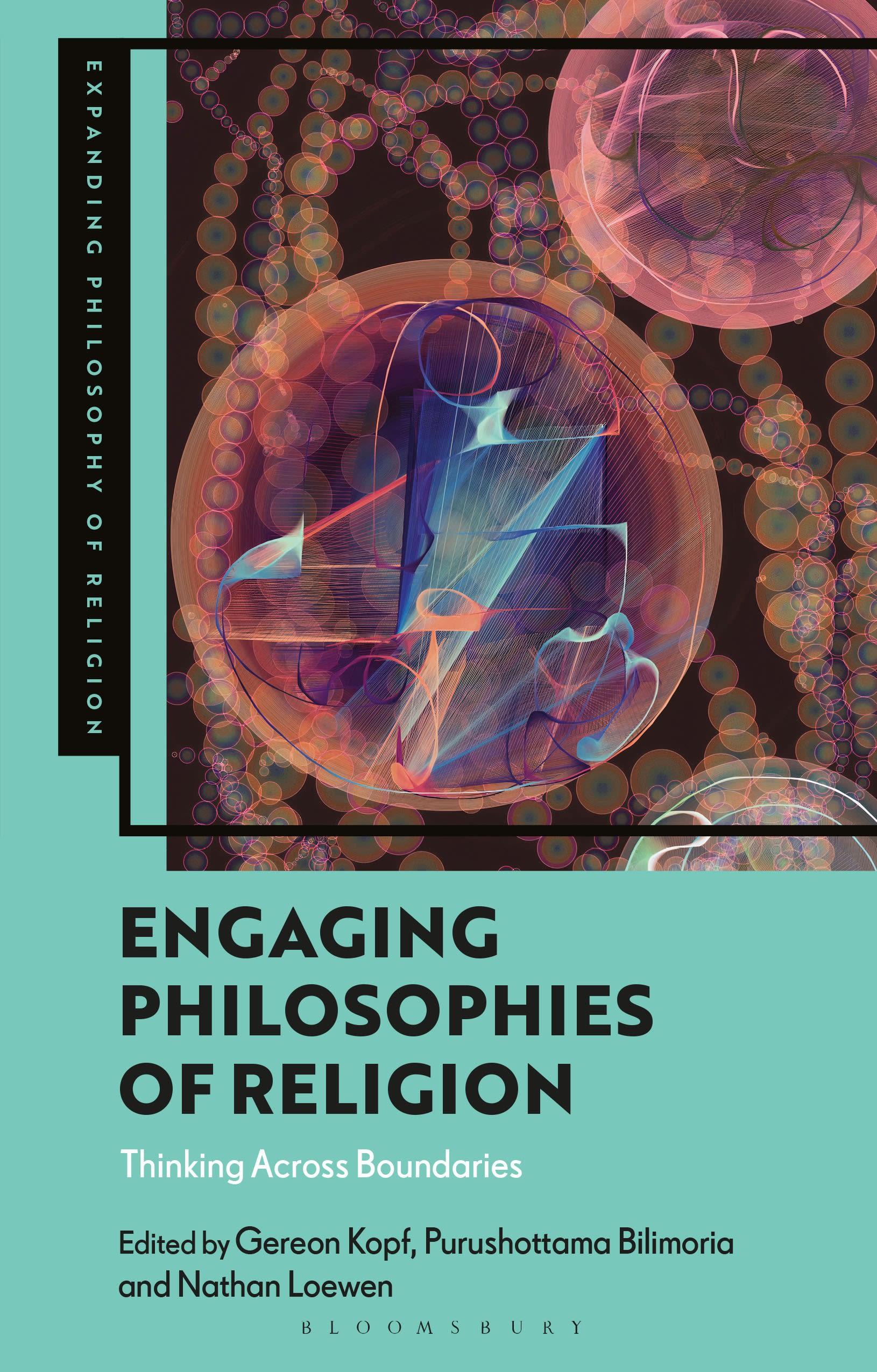
How can philosophy of religion become more diverse in content and method? How can we take a multiplicity of stories into account and teach a truly inclusive philosophy of religion?
It is now openly acknowledged that if we do not change the underlying framework of the way we do philosophy of religion, we will always create subalterns. Here is an invitation to rethink Philosophy of Religion. Engaging with texts and thinkers from multiple traditions, this book offers 18 distinct approaches to doing Philosophy of Religion and presents an opportunity to change Philosophy of Religion at a fundamental level.
Drawing on religions and philosophies from across history and around the world, each chapter outlines a framework for approaching religion from a different standpoint: monotheism in Christianity, Qi in Daoism, embodiment in neuroscience, naturalism in the atheism debates, and non-territorialism in 19th-century debates on cartography.
Contributors identify the many philosophical systems that guide metaphysical and moral truths and adhere to the principle that traditions are not monolithic but diverse. They recognise that categories such as “indigenous religions” are political rather than descriptive in nature.
Innovative and forward-looking, this collection constructs a new method and terminology that promotes active interaction. It is essential reading for students and teachers looking for a new way of doing Philosophy of Religion.
It is now openly acknowledged that if we do not change the underlying framework of the way we do philosophy of religion, we will always create subalterns. Here is an invitation to rethink Philosophy of Religion. Engaging with texts and thinkers from multiple traditions, this book offers 18 distinct approaches to doing Philosophy of Religion and presents an opportunity to change Philosophy of Religion at a fundamental level.
Drawing on religions and philosophies from across history and around the world, each chapter outlines a framework for approaching religion from a different standpoint: monotheism in Christianity, Qi in Daoism, embodiment in neuroscience, naturalism in the atheism debates, and non-territorialism in 19th-century debates on cartography.
Contributors identify the many philosophical systems that guide metaphysical and moral truths and adhere to the principle that traditions are not monolithic but diverse. They recognise that categories such as “indigenous religions” are political rather than descriptive in nature.
Innovative and forward-looking, this collection constructs a new method and terminology that promotes active interaction. It is essential reading for students and teachers looking for a new way of doing Philosophy of Religion.
Pagina's: 368
Categorie: Religion & Teologi
e-ISBN: 9781350348882
Verzendgewicht: 1.2 kg
Verzending binnen: 1-2 dagen
Betaal eenvoudig met kaart, Klarna, Apple Pay of Google Pay. Niet tevreden? Je hebt altijd 14 dagen bedenktijd. Lees meer in onze voorwaarden. Heb je vragen, mail ons dan via hello@memmo.org.
Memmo maakt studeren makkelijker – waar je ook bent ter wereld. Wij brengen je cursusboeken en slimme studietools samen op één plek: samenvattingen, quizzen, podcasts en flashcards. En Ted, je studievriend die antwoord geeft op alles wat je je afvraagt. Meer dan 50.000 studenten studeren hier al – gebouwd om je sneller te laten leren en minder stress te geven.