
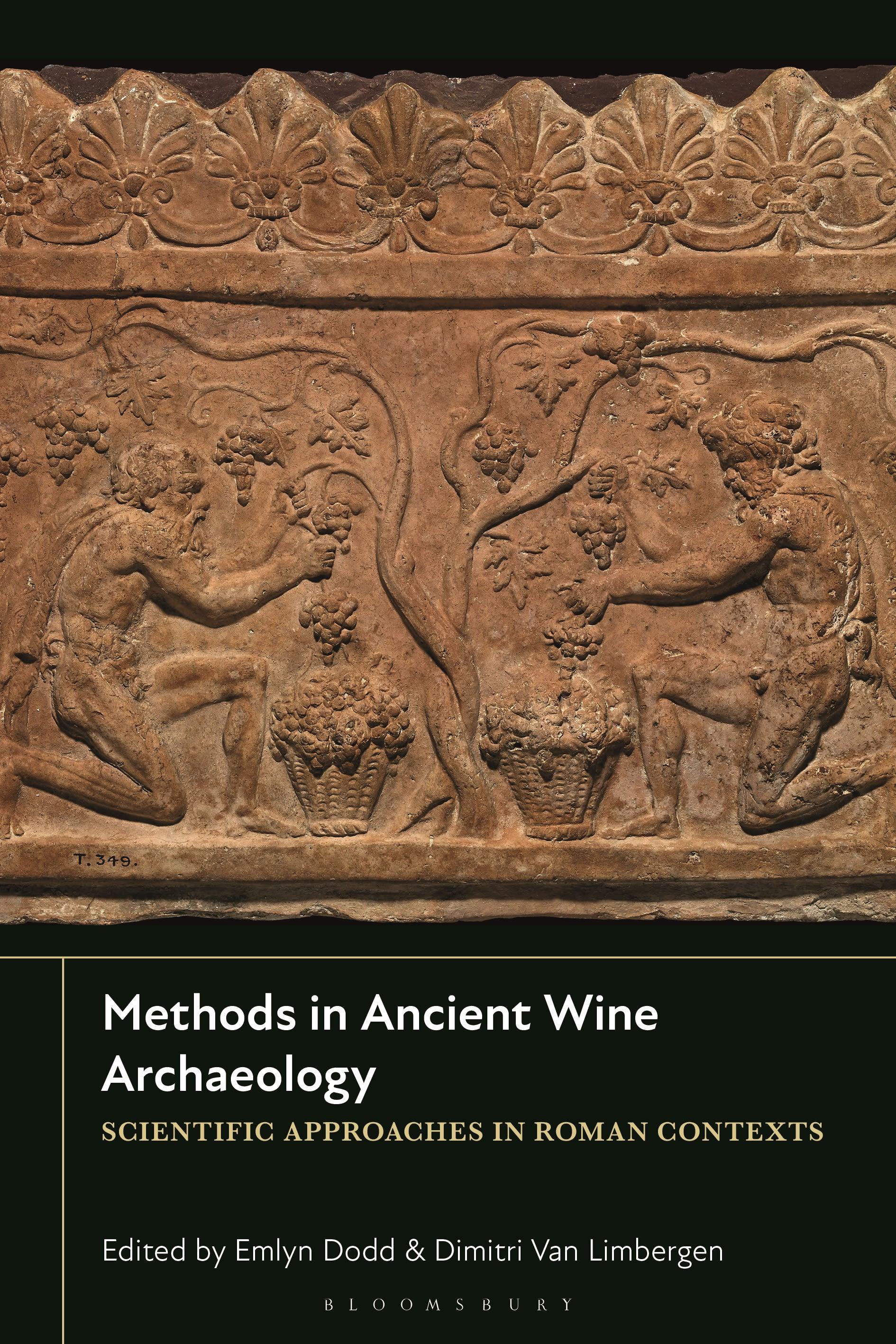
Bringing together a wide array of modern scientific techniques and interdisciplinary approaches, this book provides an accessible guide to the methods that form the current bedrock of research into Roman, and more broadly ancient, wine. Chapters are arranged into thematic sections, covering biomolecular archaeology and chemical analysis, archaeobotany and palynology, vineyard and landscape archaeology and computational and experimental archaeology. These include discussions of some of the most recent techniques, such as ancient DNA and organic residue analyses, geophysical prospection, multispectral imaging and spatial and climatic modelling. While most of the content is of direct relevance to the Roman Mediterranean, the assortment of detailed case studies, methodological outlines and broader 'state of the field' reflections is of equal use to researchers working across disparate disciplines, geographies, and chronologies.
The study of ancient Roman wine has been dominated until recently by traditional archaeological analyses focused upon production facilities and ceramic evidence related to transport. While such architecture and artefact-focussed approaches provide a fundamental foundation for our understanding of this topic, they fail to provide the requisite nuance to answer other questions regarding grape cultivation and wine production, consumption, use and trade. As the first compendium of its kind, this book supports the embedding of modern scientific and experimental techniques into archaeological fieldwork, research and laboratory analysis, pushing the boundaries of what questions can be explored, and serving as a launching point for future avenues of interdisciplinary research.
The study of ancient Roman wine has been dominated until recently by traditional archaeological analyses focused upon production facilities and ceramic evidence related to transport. While such architecture and artefact-focussed approaches provide a fundamental foundation for our understanding of this topic, they fail to provide the requisite nuance to answer other questions regarding grape cultivation and wine production, consumption, use and trade. As the first compendium of its kind, this book supports the embedding of modern scientific and experimental techniques into archaeological fieldwork, research and laboratory analysis, pushing the boundaries of what questions can be explored, and serving as a launching point for future avenues of interdisciplinary research.
Pagina's: 336
Categorie: Arkeologi & Antikvetenskap
e-ISBN: 9781350346673
Verzendgewicht: 1.2 kg
Verzending binnen: 1-2 dagen
Betaal eenvoudig met kaart, Klarna, Apple Pay of Google Pay. Niet tevreden? Je hebt altijd 14 dagen bedenktijd. Lees meer in onze voorwaarden. Heb je vragen, mail ons dan via hello@memmo.org.
Memmo maakt studeren makkelijker – waar je ook bent ter wereld. Wij brengen je cursusboeken en slimme studietools samen op één plek: samenvattingen, quizzen, podcasts en flashcards. En Ted, je studievriend die antwoord geeft op alles wat je je afvraagt. Meer dan 50.000 studenten studeren hier al – gebouwd om je sneller te laten leren en minder stress te geven.