
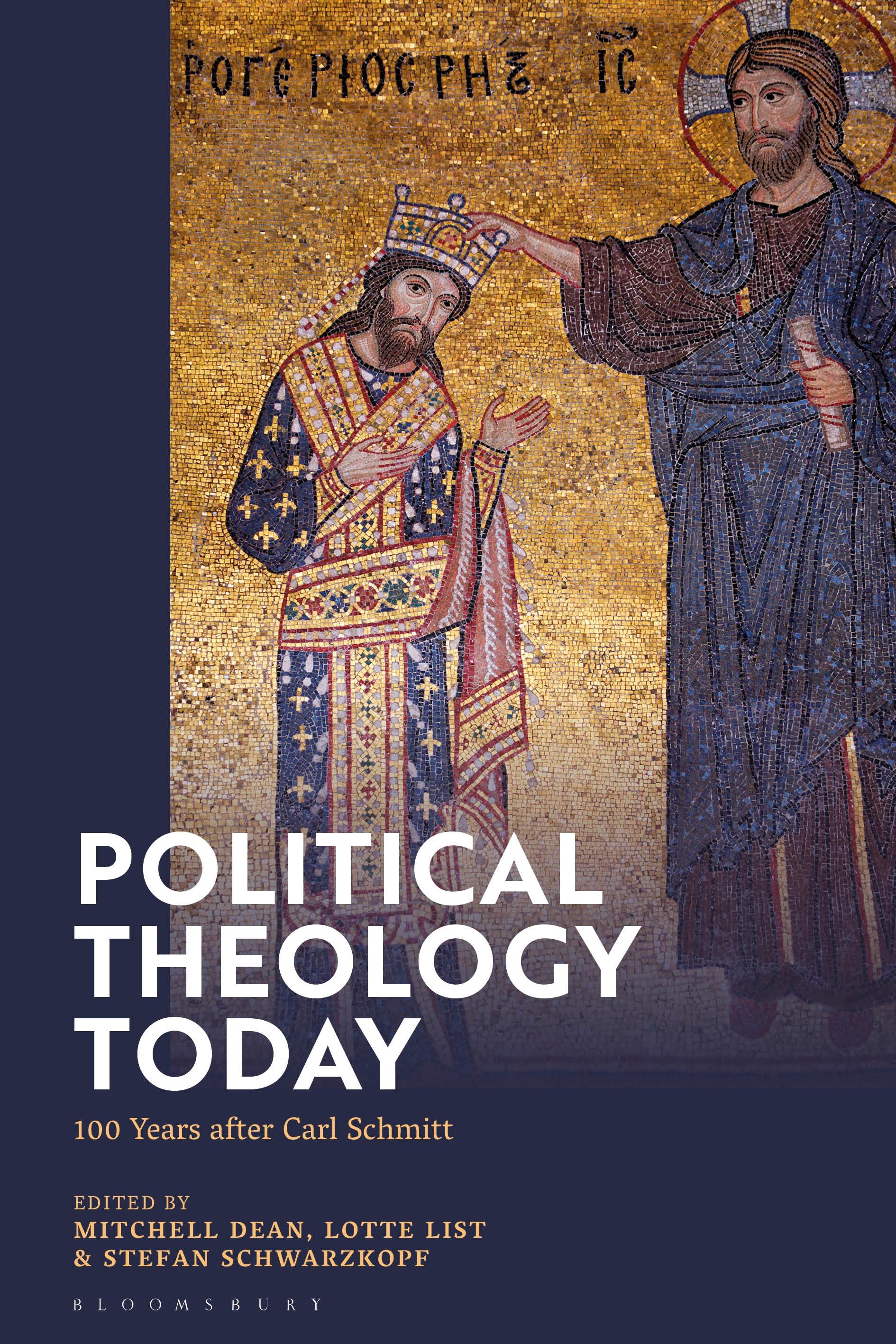
Almost 100 years have passed since Carl Schmitt gave his controversial definition of the sovereign as the one who decides on the exception in his by now classic Political Theology (1922). Written at a time of crisis, the book sought to establish the institution of sovereignty, not from within a well-functioning governing machine of the state in a situation of normality, but rather as the minimal condition of state order in the moment of governmental breakdown. The book appeared anachronistic already at its publication. Schmitt went against Max Weber's popular thesis defining secularization as a disenchantment of the world characterizing modern societies, and instead suggested that the concepts of modern politics mirrored a metaphysics originating in Christianity and the church. Nevertheless, the concept of political theology has in recent years seen a revival as a field of research in philosophy as well as political theory, as studies in the theological sub-currents of politics, economics and sociality proliferate.
Betaal eenvoudig met kaart, Klarna, Apple Pay of Google Pay. Niet tevreden? Je hebt altijd 14 dagen bedenktijd. Lees meer in onze voorwaarden. Heb je vragen, mail ons dan via hello@memmo.org.
Memmo maakt studeren makkelijker – waar je ook bent ter wereld. Wij brengen je cursusboeken en slimme studietools samen op één plek: samenvattingen, quizzen, podcasts en flashcards. En Ted, je studievriend die antwoord geeft op alles wat je je afvraagt. Meer dan 50.000 studenten studeren hier al – gebouwd om je sneller te laten leren en minder stress te geven.