
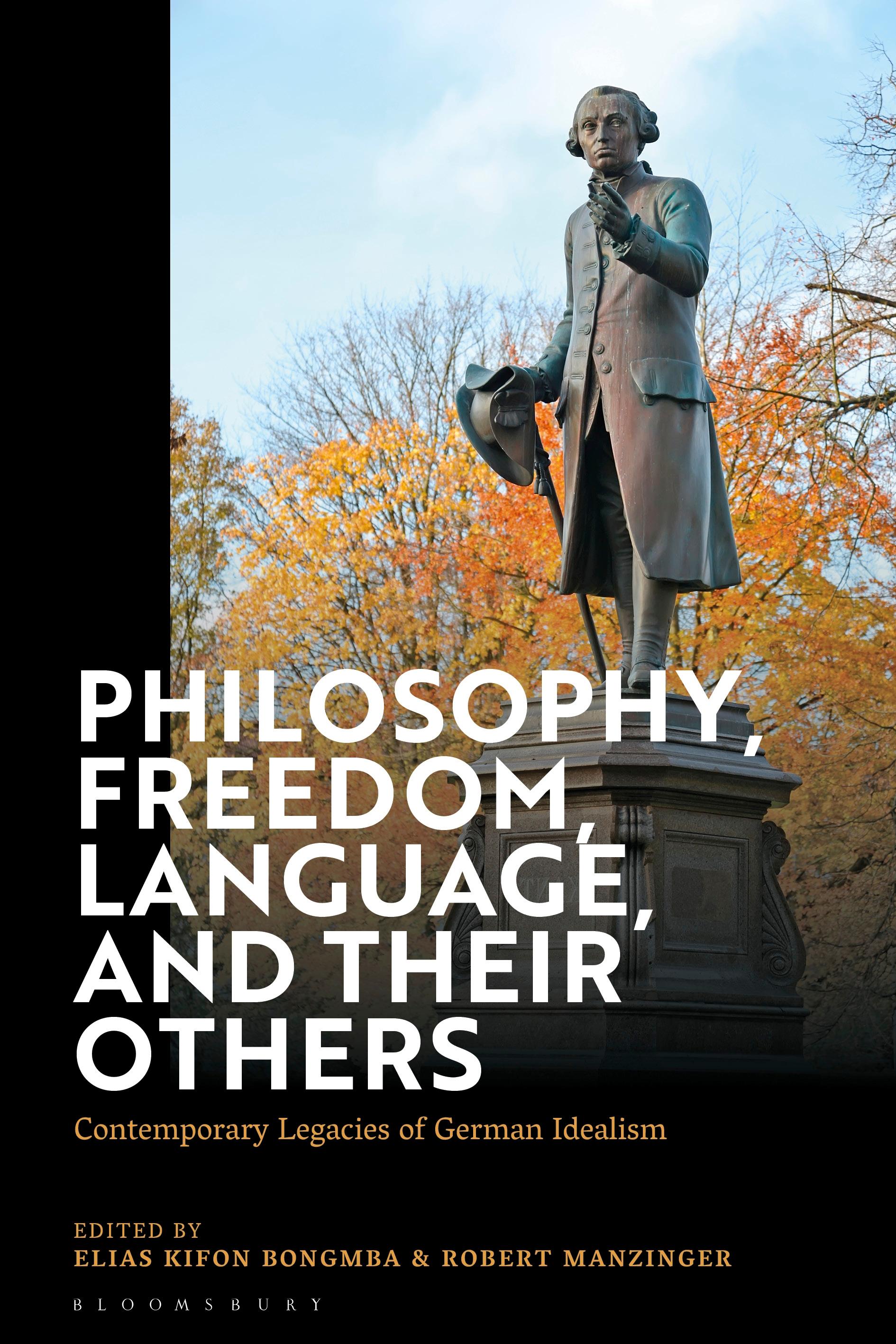
Kantian and Hegelian conceptions of freedom guide this collection of essays that engage with the linguistic turn in continental philosophy to explore contemporary interpretations of freedom. Using a broad approach to the tradition of German Idealism, this volume considers its modern recasting of philosophy as a rigorous thinking practice with profound implications for individual and communal praxis and wellbeing.
Philosophy, Freedom, Language, and its Others further cultivates and demonstrates the freedom to think and engage philosophy in a critical dialogue with other fields of inquiry. This method is exemplified in the philosophy and teaching of Professor Jere P. Surber, whom this book honors by using his interdisciplinary method as a springboard for new understandings of freedom in contemporary life.
Expert scholars working in the philosophy of language, continental philosophy of religion, ancient philosophy, critical theory, and ethics engage seminal thinkers on freedom including Plato, Kant, Hegel, Kierkegaard, and Debord to provide a diverse range of perspectives on freedom. In so doing, they address the complex legacy of philosophical freedom across subjects from contemporary media and political patrimonial culture to literary imagination and the politics of Nelson Mandela.
Philosophy, Freedom, Language, and its Others further cultivates and demonstrates the freedom to think and engage philosophy in a critical dialogue with other fields of inquiry. This method is exemplified in the philosophy and teaching of Professor Jere P. Surber, whom this book honors by using his interdisciplinary method as a springboard for new understandings of freedom in contemporary life.
Expert scholars working in the philosophy of language, continental philosophy of religion, ancient philosophy, critical theory, and ethics engage seminal thinkers on freedom including Plato, Kant, Hegel, Kierkegaard, and Debord to provide a diverse range of perspectives on freedom. In so doing, they address the complex legacy of philosophical freedom across subjects from contemporary media and political patrimonial culture to literary imagination and the politics of Nelson Mandela.
Betaal eenvoudig met kaart, Klarna, Apple Pay of Google Pay. Niet tevreden? Je hebt altijd 14 dagen bedenktijd. Lees meer in onze voorwaarden. Heb je vragen, mail ons dan via hello@memmo.org.
Memmo maakt studeren makkelijker – waar je ook bent ter wereld. Wij brengen je cursusboeken en slimme studietools samen op één plek: samenvattingen, quizzen, podcasts en flashcards. En Ted, je studievriend die antwoord geeft op alles wat je je afvraagt. Meer dan 50.000 studenten studeren hier al – gebouwd om je sneller te laten leren en minder stress te geven.