
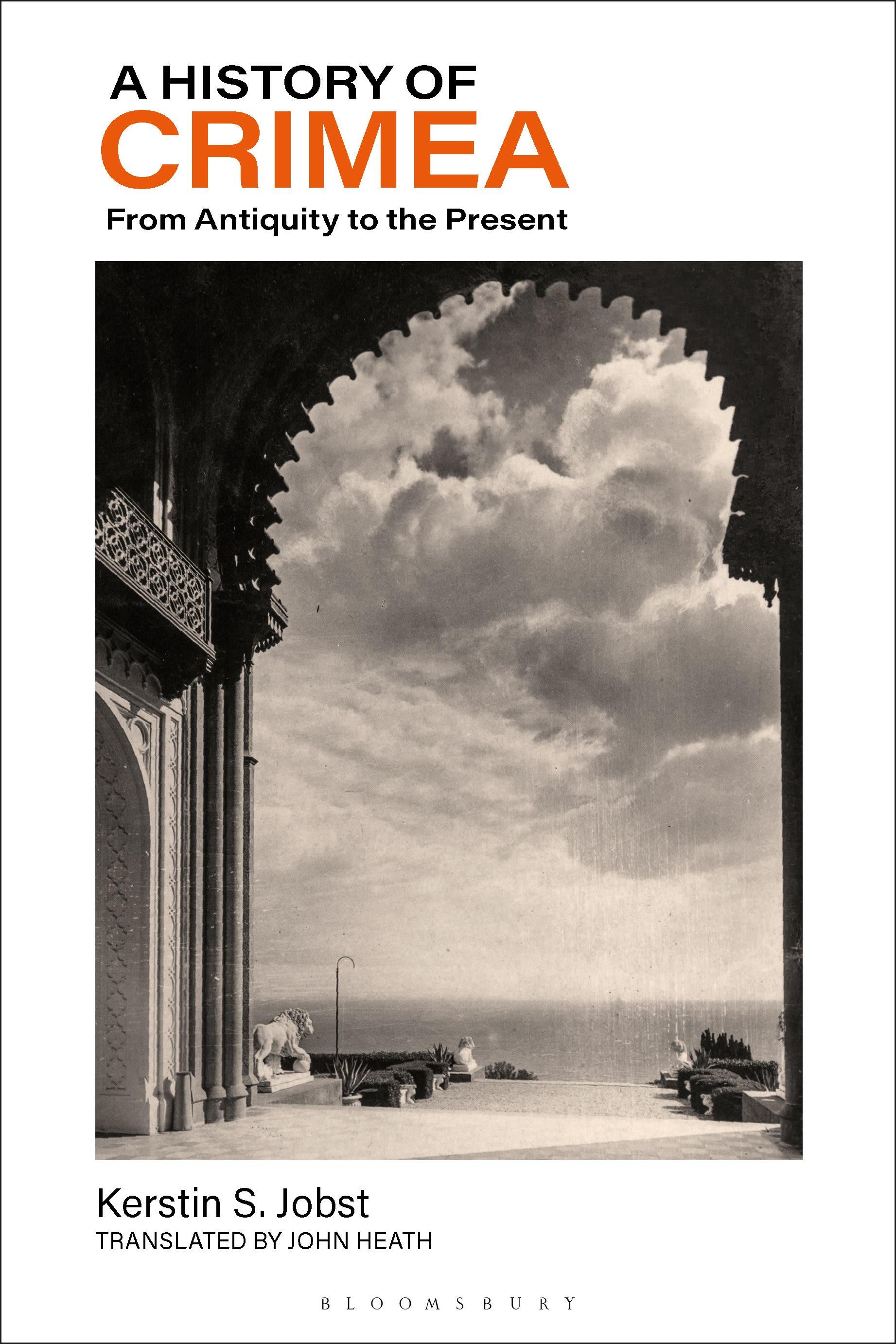
Since the Russian Federation's illegal annexation of Crimea from Ukraine in March 2014 – 160 years after the Crimean War – the peninsula has returned to the fore on the global geopolitical stage. This book provides a comprehensive history of the peninsula that was previously lacking, one that stretches from ancient times to the present and explores various aspects and inhabitants through the ages.
Kerstin S. Jobst examines the complex history of multi-ethnic and pluri-religious Crimea – not only from a political perspective, but also considering the manifold cultural and historical interdependencies that are central to the territory. The book examines myths and legends about Crimea, as well as the various peoples for whom it has been a settlement and transit area and who have shaped the fate of the peninsula: Greek, Genoese and Venetian colonists, Eurasian nomads, Crimean Tatars, Germans, Russians, Ukrainians and others. A History of Crimea shows the importance of Crimea as a site of early Christianity, but also as a contact zone between different religions – Judaism, Christianity and Islam. It also emphasizes the role of the peninsula as a peripheral space of various great powers – the Roman Empire, Byzantium, the Golden Horde, the “Third Reich” and the Ottoman, Russian and Soviet empires.
With this detailed overview of 2,000 years of Crimea's history, Kerstin S. Jobst debunks the narratives around the most recent explosive events in the peninsula by examining the full historical context. In doing so, she de-mythologizes simplified claims to historical legitimacy that, rooted in Russian emotional attachment and geopolitical ambitions, ignore the cultural complexities of the previous centuries. This important work thus rebalances skewed narratives that continue to prevail even among seasoned observers of developments in Crimea.
Kerstin S. Jobst examines the complex history of multi-ethnic and pluri-religious Crimea – not only from a political perspective, but also considering the manifold cultural and historical interdependencies that are central to the territory. The book examines myths and legends about Crimea, as well as the various peoples for whom it has been a settlement and transit area and who have shaped the fate of the peninsula: Greek, Genoese and Venetian colonists, Eurasian nomads, Crimean Tatars, Germans, Russians, Ukrainians and others. A History of Crimea shows the importance of Crimea as a site of early Christianity, but also as a contact zone between different religions – Judaism, Christianity and Islam. It also emphasizes the role of the peninsula as a peripheral space of various great powers – the Roman Empire, Byzantium, the Golden Horde, the “Third Reich” and the Ottoman, Russian and Soviet empires.
With this detailed overview of 2,000 years of Crimea's history, Kerstin S. Jobst debunks the narratives around the most recent explosive events in the peninsula by examining the full historical context. In doing so, she de-mythologizes simplified claims to historical legitimacy that, rooted in Russian emotional attachment and geopolitical ambitions, ignore the cultural complexities of the previous centuries. This important work thus rebalances skewed narratives that continue to prevail even among seasoned observers of developments in Crimea.
Betaal eenvoudig met kaart, Klarna, Apple Pay of Google Pay. Niet tevreden? Je hebt altijd 14 dagen bedenktijd. Lees meer in onze voorwaarden. Heb je vragen, mail ons dan via hello@memmo.org.
Memmo maakt studeren makkelijker – waar je ook bent ter wereld. Wij brengen je cursusboeken en slimme studietools samen op één plek: samenvattingen, quizzen, podcasts en flashcards. En Ted, je studievriend die antwoord geeft op alles wat je je afvraagt. Meer dan 50.000 studenten studeren hier al – gebouwd om je sneller te laten leren en minder stress te geven.