
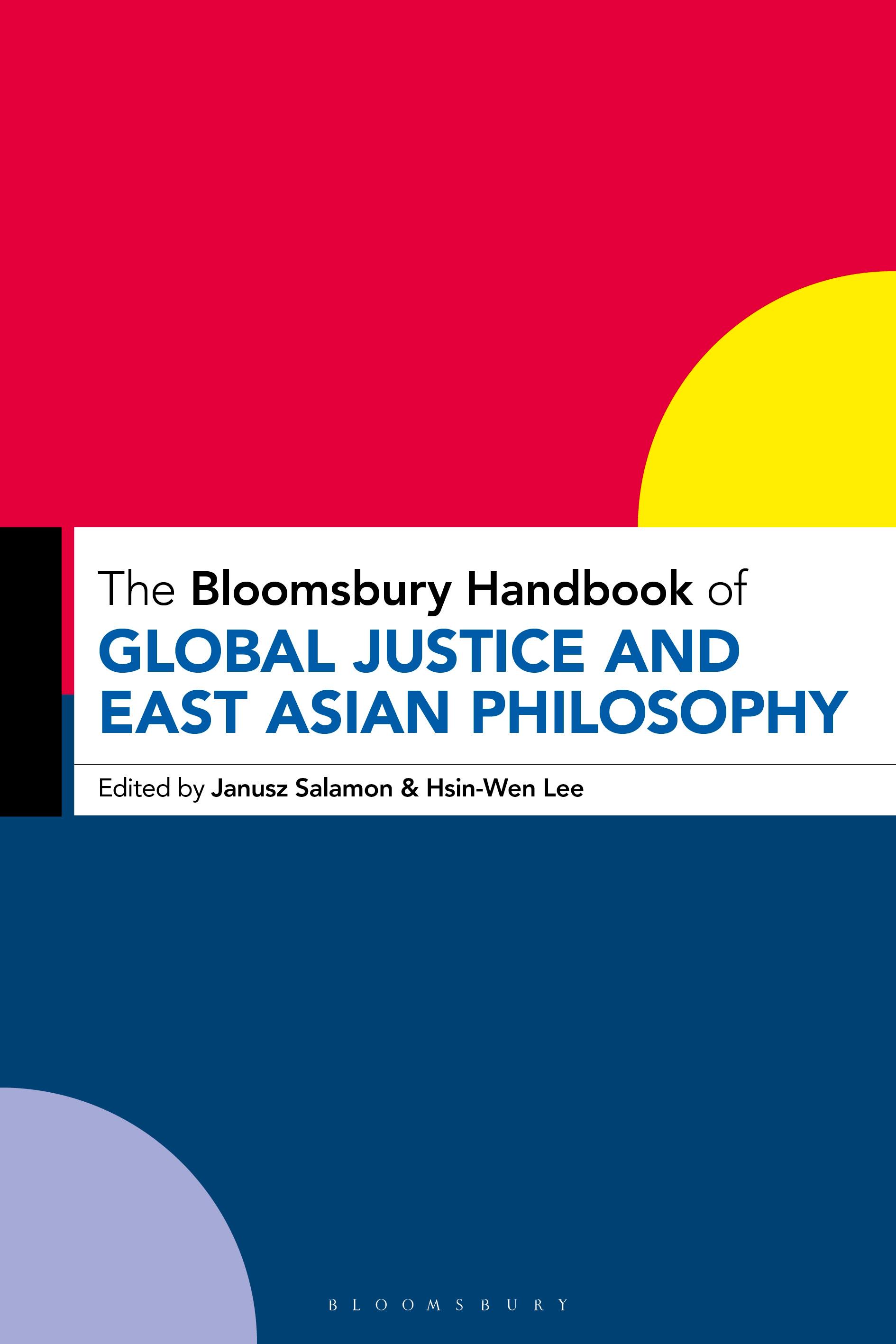
Breaking out of the dominance of Anglo-American scholarship, this volume centralises East Asian philosophical traditions to explore cross-cultural perspectives in the field of global justice studies. By bringing together diverse traditions of thinking about justice that contrasts East Asian and Western thinkers' traditions, it avoids the shortcomings of narrow and one-sided conceptualisations of global justice.
A range of contributors from East Asia, Europe, and the US who are conversant with both Western and East Asian philosophical traditions provide a rich engagement with contemporary issues relating to global justice. The book opens with a section devoted to the methodological challenges specific to cross-cultural approaches to justice, including the universalism/particularism debate and the conditions of the possibility of cross-cultural comparisons. Part II explores how major East Asian philosophical traditions-including Confucianism, Legalism, Daoism and Buddhism-consider issues related to global justice. The essays in Part III adopt a cross-cultural and/or comparative perspective on justice, enabling the readers to appreciate similarities and differences between the East Asian and Western perspectives on justice, and to appreciate cultural variation. Key applied issues in global justice, such as epistemic injustice, human rights, women's rights, nationalism, religious pluralism, coercion, corruption and post-colonial justice, receive full consideration in the final section of this indispensable reference work for understandings of global justice in East Asia specifically and cross-culturally.
A range of contributors from East Asia, Europe, and the US who are conversant with both Western and East Asian philosophical traditions provide a rich engagement with contemporary issues relating to global justice. The book opens with a section devoted to the methodological challenges specific to cross-cultural approaches to justice, including the universalism/particularism debate and the conditions of the possibility of cross-cultural comparisons. Part II explores how major East Asian philosophical traditions-including Confucianism, Legalism, Daoism and Buddhism-consider issues related to global justice. The essays in Part III adopt a cross-cultural and/or comparative perspective on justice, enabling the readers to appreciate similarities and differences between the East Asian and Western perspectives on justice, and to appreciate cultural variation. Key applied issues in global justice, such as epistemic injustice, human rights, women's rights, nationalism, religious pluralism, coercion, corruption and post-colonial justice, receive full consideration in the final section of this indispensable reference work for understandings of global justice in East Asia specifically and cross-culturally.
Pagina's: 424
Categorie: Filosofi
e-ISBN: 9781350327481
Verzendgewicht: 1.2 kg
Verzending binnen: 1-2 dagen
Betaal eenvoudig met kaart, Klarna, Apple Pay of Google Pay. Niet tevreden? Je hebt altijd 14 dagen bedenktijd. Lees meer in onze voorwaarden. Heb je vragen, mail ons dan via hello@memmo.org.
Memmo maakt studeren makkelijker – waar je ook bent ter wereld. Wij brengen je cursusboeken en slimme studietools samen op één plek: samenvattingen, quizzen, podcasts en flashcards. En Ted, je studievriend die antwoord geeft op alles wat je je afvraagt. Meer dan 50.000 studenten studeren hier al – gebouwd om je sneller te laten leren en minder stress te geven.