
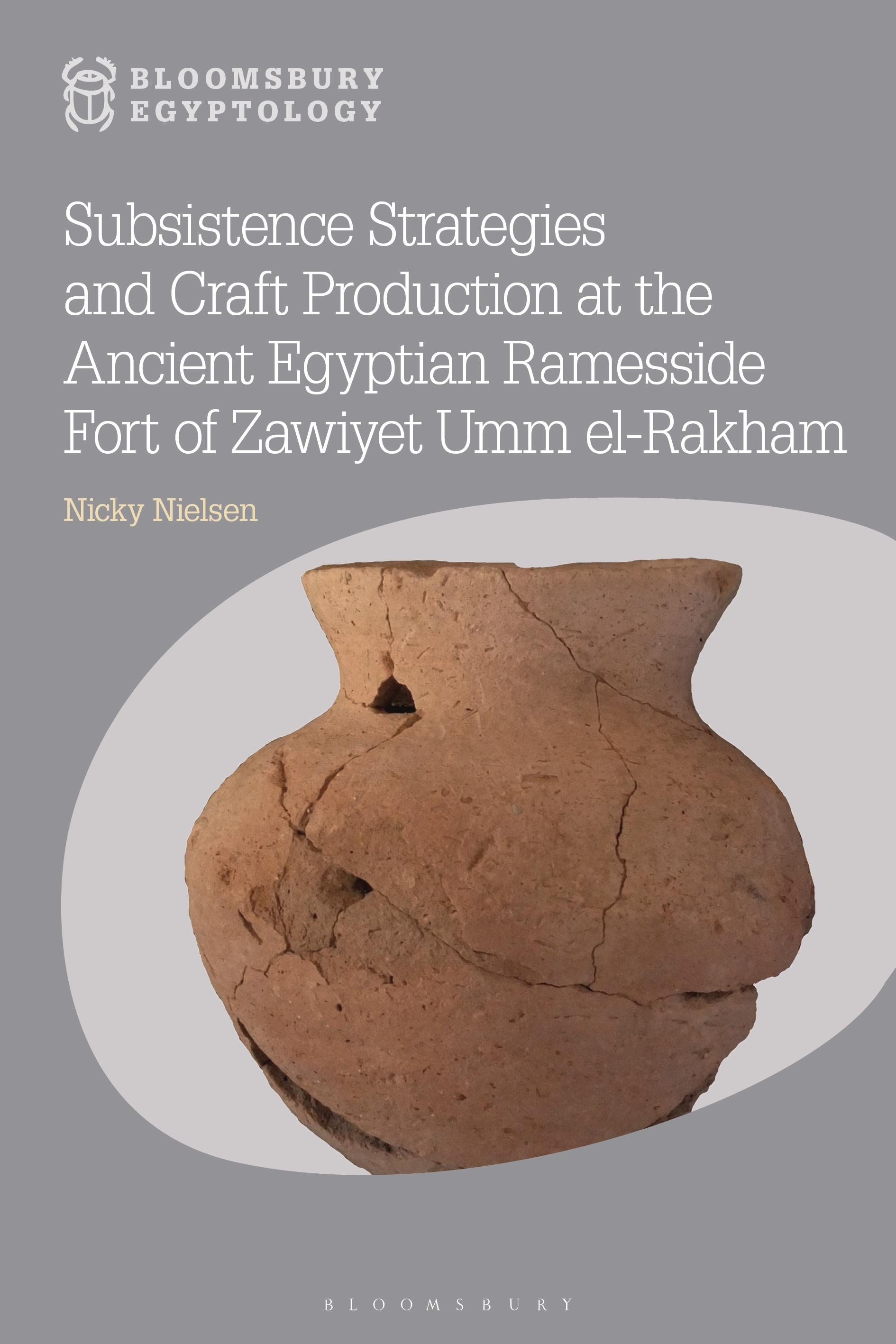
Drawing on more than 20 years of archaeological study and investigation at Zawiyet Umm el-Rakham by a team from the University of Liverpool (led by Professor Steven Snape), this book paints a nuanced picture of daily life not only at this liminal military site, but also in Ramesside Egypt more broadly. Constructed during the reign of Ramesses II, the fortified settlement was situated 300 kilometres west of Alexandria and represents the furthest western outpost of the Egyptian New Kingdom empire. Excavations in Area K of the fortress have uncovered extensive evidence for the living arrangements, minor industries, food production and daily life of the fort's inhabitants.
This previously unpublished material forms the bedrock of this volume, which focuses on analysing the various subsistence and craft production strategies that were conducted alongside each other in this area, from baking, brewing and butchery to lithics working, bone-carving and weaving. These traces of the activities of the soldiers and their families shed new light on what life was like at this military installation and for ordinary Egyptians more widely, shifting away from a focus on elite social groups. The archaeological evidence covered in this book prompts a re-evaluation of the realities of the relationship between Egyptians and Libyans at the close of the Late Bronze Age. The purpose of the fortress' construction was primarily defensive, however the surviving material points to co-operation by means of collaborative farming and trading, and provides a direct counterpoint to the more belligerent contemporary royal monumental inscriptions describing Egypto-Libyan relations.
This previously unpublished material forms the bedrock of this volume, which focuses on analysing the various subsistence and craft production strategies that were conducted alongside each other in this area, from baking, brewing and butchery to lithics working, bone-carving and weaving. These traces of the activities of the soldiers and their families shed new light on what life was like at this military installation and for ordinary Egyptians more widely, shifting away from a focus on elite social groups. The archaeological evidence covered in this book prompts a re-evaluation of the realities of the relationship between Egyptians and Libyans at the close of the Late Bronze Age. The purpose of the fortress' construction was primarily defensive, however the surviving material points to co-operation by means of collaborative farming and trading, and provides a direct counterpoint to the more belligerent contemporary royal monumental inscriptions describing Egypto-Libyan relations.
Pagina's: 232
Categorie: Arkeologi & Antikvetenskap
e-ISBN: 9781350327399
Verzendgewicht: 1.2 kg
Verzending binnen: 1-2 dagen
Betaal eenvoudig met kaart, Klarna, Apple Pay of Google Pay. Niet tevreden? Je hebt altijd 14 dagen bedenktijd. Lees meer in onze voorwaarden. Heb je vragen, mail ons dan via hello@memmo.org.
Memmo maakt studeren makkelijker – waar je ook bent ter wereld. Wij brengen je cursusboeken en slimme studietools samen op één plek: samenvattingen, quizzen, podcasts en flashcards. En Ted, je studievriend die antwoord geeft op alles wat je je afvraagt. Meer dan 50.000 studenten studeren hier al – gebouwd om je sneller te laten leren en minder stress te geven.