
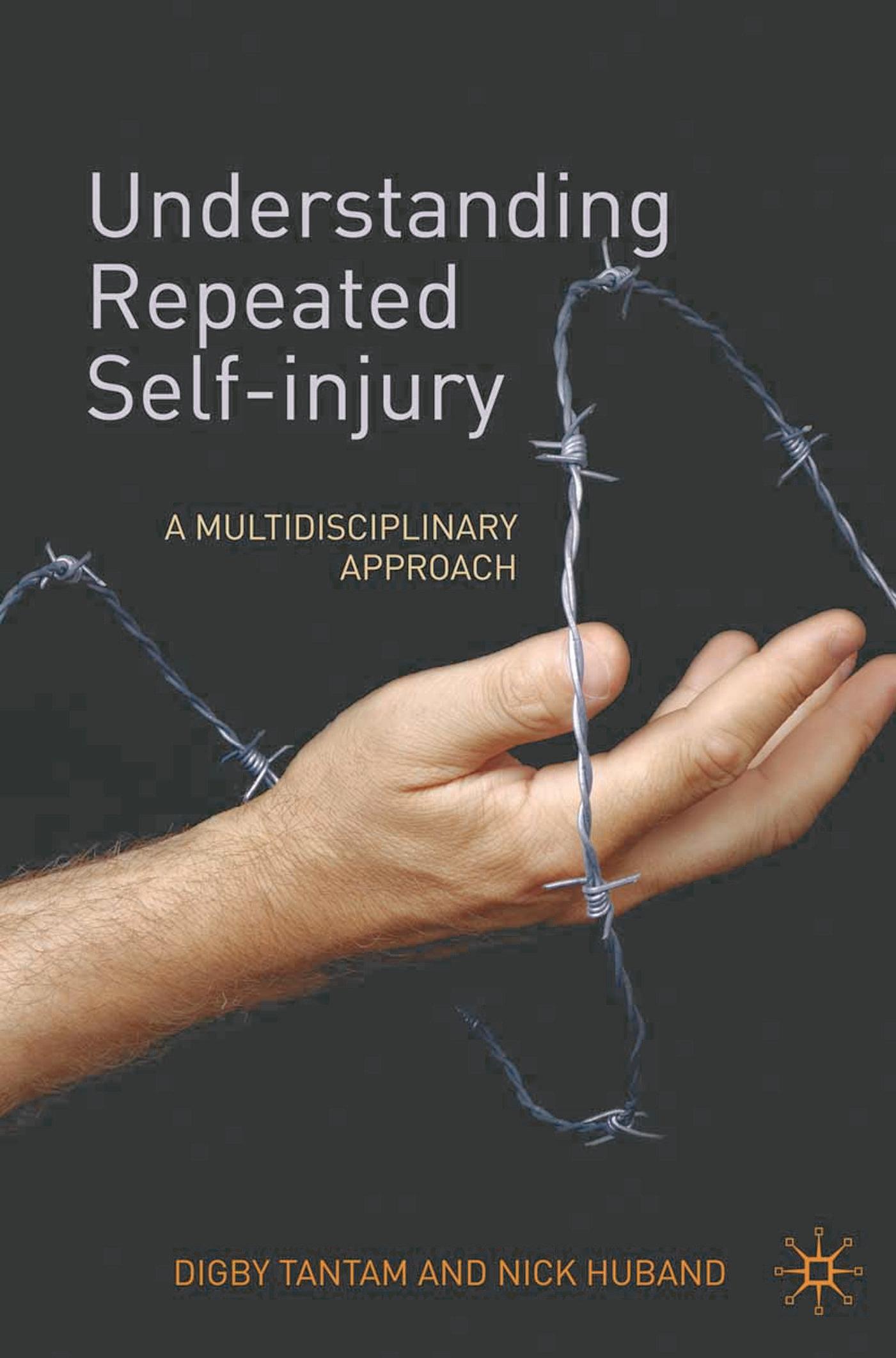
Why do some people repeatedly injure themselves? How common is this form of self-harm? How can professionals offer appropriate intervention and support to those whose lives are troubled by it, either directly or indirectly? This authoritative and systematic book adopts a holistic approach to the problem of repeated self-injury and the difficult emotions and experiences that it gives rise to.
Bringing together theory, research and a wealth of case vignettes, Understanding Repeated Self-Injury examines both the psychological and physical aspects of self-injury. The authors explain how deliberate cutting or burning of the skin is used by many as a way to overcome and temporarily escape bad feeling and thus transcend the limits of their identity.
In particular, the book
- Presents a unifying model for theory and practice, based on the phenomenology of self-injury
- Examines the important role of identity and dissociation in perpetuating self-injury
- Considers the wider impact of self-injury on family and friends, and on staff
- Addresses treatment strategies and self-help resources
Each chapter draws on the authors' considerable clinical experience across a range of contexts, and is written with professionals and trainees particularly in mind. This book is an essential introduction and indispensable resource for those working, or considering to work, in counselling, therapeutic and health care settings where they are or might be confronted with the complexities of self-injury.
Bringing together theory, research and a wealth of case vignettes, Understanding Repeated Self-Injury examines both the psychological and physical aspects of self-injury. The authors explain how deliberate cutting or burning of the skin is used by many as a way to overcome and temporarily escape bad feeling and thus transcend the limits of their identity.
In particular, the book
- Presents a unifying model for theory and practice, based on the phenomenology of self-injury
- Examines the important role of identity and dissociation in perpetuating self-injury
- Considers the wider impact of self-injury on family and friends, and on staff
- Addresses treatment strategies and self-help resources
Each chapter draws on the authors' considerable clinical experience across a range of contexts, and is written with professionals and trainees particularly in mind. This book is an essential introduction and indispensable resource for those working, or considering to work, in counselling, therapeutic and health care settings where they are or might be confronted with the complexities of self-injury.
Betaal eenvoudig met kaart, Klarna, Apple Pay of Google Pay. Niet tevreden? Je hebt altijd 14 dagen bedenktijd. Lees meer in onze voorwaarden. Heb je vragen, mail ons dan via hello@memmo.org.
Memmo maakt studeren makkelijker – waar je ook bent ter wereld. Wij brengen je cursusboeken en slimme studietools samen op één plek: samenvattingen, quizzen, podcasts en flashcards. En Ted, je studievriend die antwoord geeft op alles wat je je afvraagt. Meer dan 50.000 studenten studeren hier al – gebouwd om je sneller te laten leren en minder stress te geven.