
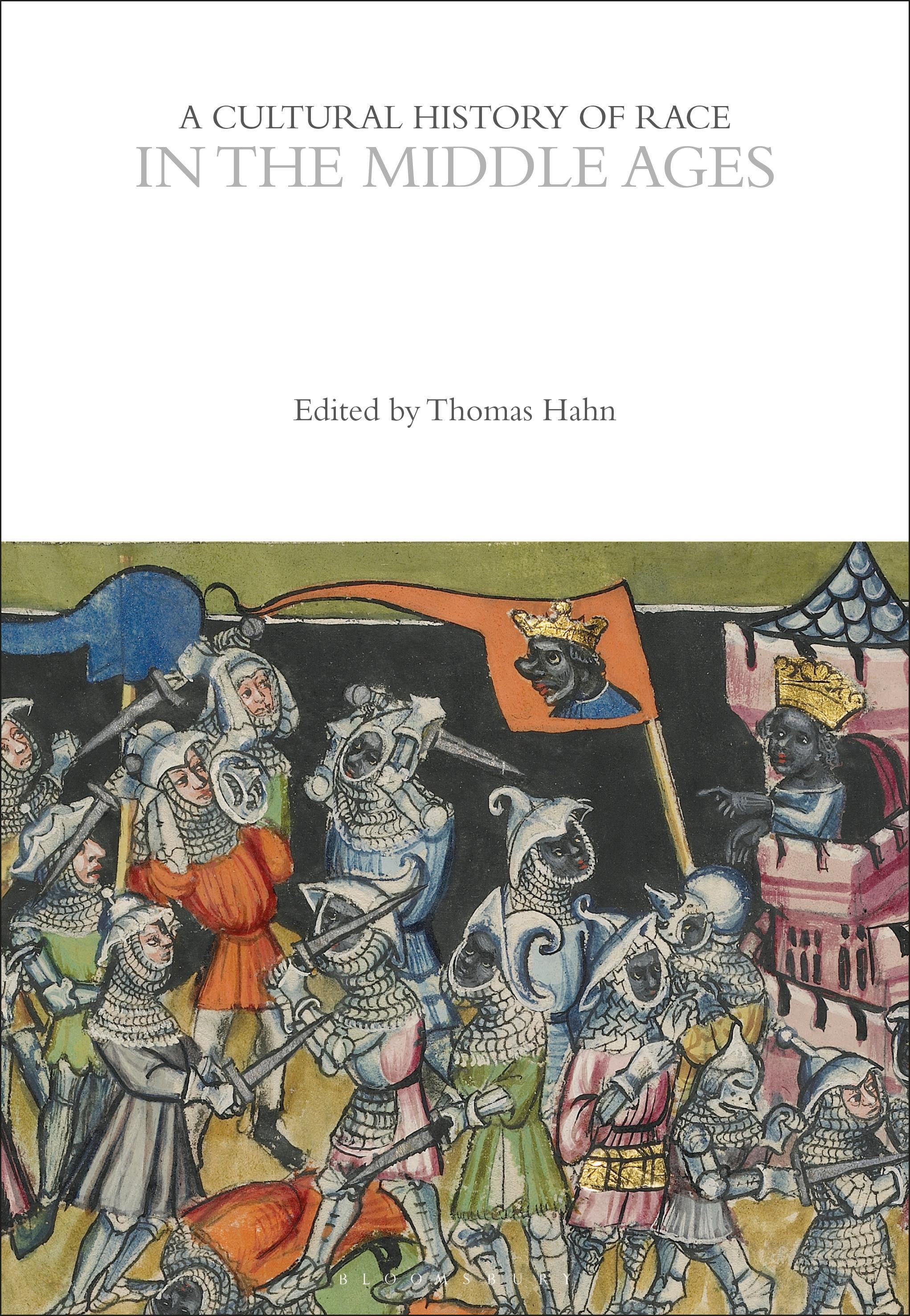
This volume presents a comprehensive and collaborative survey of how people, individually and within collective entities, thought about, experienced, and enacted racializing differences. Addressing events, texts, and images from the 5th to the 16th centuries, these essays by ten eminent scholars provide broad, multi-disciplinary analyses of materials whose origins range from the British Isles, Western Iberia, and North Africa across Western and Eastern Europe to the Middle East. These diverse communities possessed no single word equivalent to modern race, a term (raza) for genetic, religious, cultural, or territorial difference that emerges only at the end of the medieval period.
Chapter by chapter, this volume nonetheless demonstrates the manifold beliefs, practices, institutions, and images that conveyed and enforced difference for the benefit of particular groups and to the detriment of others. Addressing the varying historiographical self-consciousness concerning race among medievalist scholars themselves, the separate analyses make use of paradigms drawn from social and political history, religious, environmental, literary, ethnic, and gender studies, the history of art and of science, and critical race theory. Chapters identify the eruption of racial discourses aroused by political or religious polemic, centered upon conversion within and among Jewish, Christian, and Islamic communions, and inspired by imagined or sustained contact with alien peoples. Authors draw their evidence from Hebrew, Latin, Arabic, and a profusion of European vernaculars, and provide searching examinations of visual artefacts ranging from religious service books to maps, mosaics, and manuscript illuminations
Chapter by chapter, this volume nonetheless demonstrates the manifold beliefs, practices, institutions, and images that conveyed and enforced difference for the benefit of particular groups and to the detriment of others. Addressing the varying historiographical self-consciousness concerning race among medievalist scholars themselves, the separate analyses make use of paradigms drawn from social and political history, religious, environmental, literary, ethnic, and gender studies, the history of art and of science, and critical race theory. Chapters identify the eruption of racial discourses aroused by political or religious polemic, centered upon conversion within and among Jewish, Christian, and Islamic communions, and inspired by imagined or sustained contact with alien peoples. Authors draw their evidence from Hebrew, Latin, Arabic, and a profusion of European vernaculars, and provide searching examinations of visual artefacts ranging from religious service books to maps, mosaics, and manuscript illuminations
Betaal eenvoudig met kaart, Klarna, Apple Pay of Google Pay. Niet tevreden? Je hebt altijd 14 dagen bedenktijd. Lees meer in onze voorwaarden. Heb je vragen, mail ons dan via hello@memmo.org.
Memmo maakt studeren makkelijker – waar je ook bent ter wereld. Wij brengen je cursusboeken en slimme studietools samen op één plek: samenvattingen, quizzen, podcasts en flashcards. En Ted, je studievriend die antwoord geeft op alles wat je je afvraagt. Meer dan 50.000 studenten studeren hier al – gebouwd om je sneller te laten leren en minder stress te geven.