
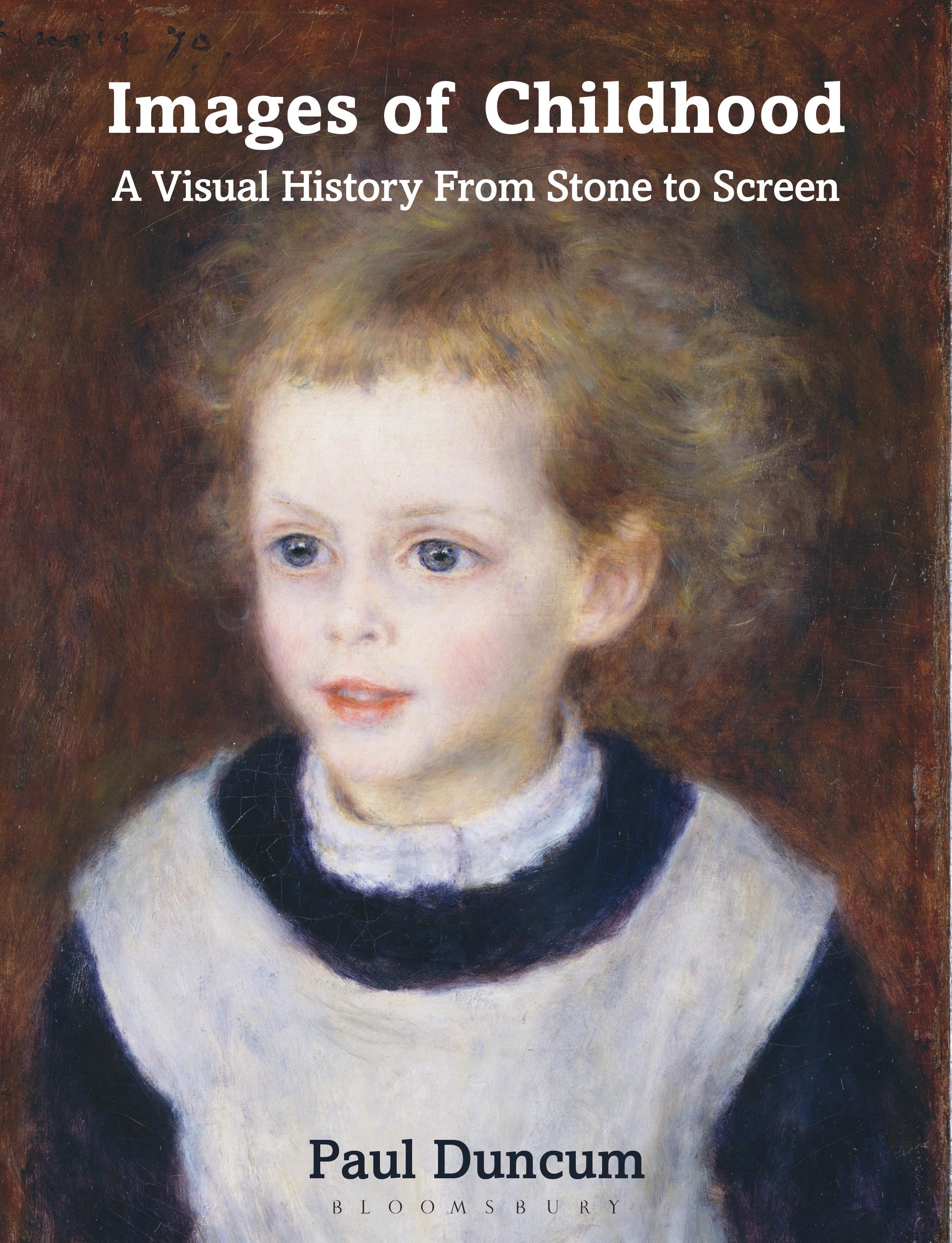
Drawing on a rich legacy of pictorial evidence, Images of Childhood examines historical constructions of childhood and how they reinforce or challenge the prevailing view of childhood as a state of innocence.
Each chapter explores how visual elements such as framing, points-of view, and lighting, as well as clothes, accessories, and body language, help to construct our many different conceptions of children: from members of the family unit and assumed gender roles; to schooling and aesthetic objects; through to their economic value and use in political propaganda.
Skillfully navigating a multitude of perspectives on this topic, Paul Duncum considers both how our ideas, beliefs and values have changed throughout history and how some have remained unchanged. He also explores the cultural notion of “the child within” and how this has contributed to the way adults perceive children. The result is a text far broader in scope than any other in its field, as art history is interweaved with contemporary popular culture to explore how we visually represent childhood. In doing so, the book highlights the real-life implications that these representations have on children's rights.
Each chapter explores how visual elements such as framing, points-of view, and lighting, as well as clothes, accessories, and body language, help to construct our many different conceptions of children: from members of the family unit and assumed gender roles; to schooling and aesthetic objects; through to their economic value and use in political propaganda.
Skillfully navigating a multitude of perspectives on this topic, Paul Duncum considers both how our ideas, beliefs and values have changed throughout history and how some have remained unchanged. He also explores the cultural notion of “the child within” and how this has contributed to the way adults perceive children. The result is a text far broader in scope than any other in its field, as art history is interweaved with contemporary popular culture to explore how we visually represent childhood. In doing so, the book highlights the real-life implications that these representations have on children's rights.
Betaal eenvoudig met kaart, Klarna, Apple Pay of Google Pay. Niet tevreden? Je hebt altijd 14 dagen bedenktijd. Lees meer in onze voorwaarden. Heb je vragen, mail ons dan via hello@memmo.org.
Memmo maakt studeren makkelijker – waar je ook bent ter wereld. Wij brengen je cursusboeken en slimme studietools samen op één plek: samenvattingen, quizzen, podcasts en flashcards. En Ted, je studievriend die antwoord geeft op alles wat je je afvraagt. Meer dan 50.000 studenten studeren hier al – gebouwd om je sneller te laten leren en minder stress te geven.