
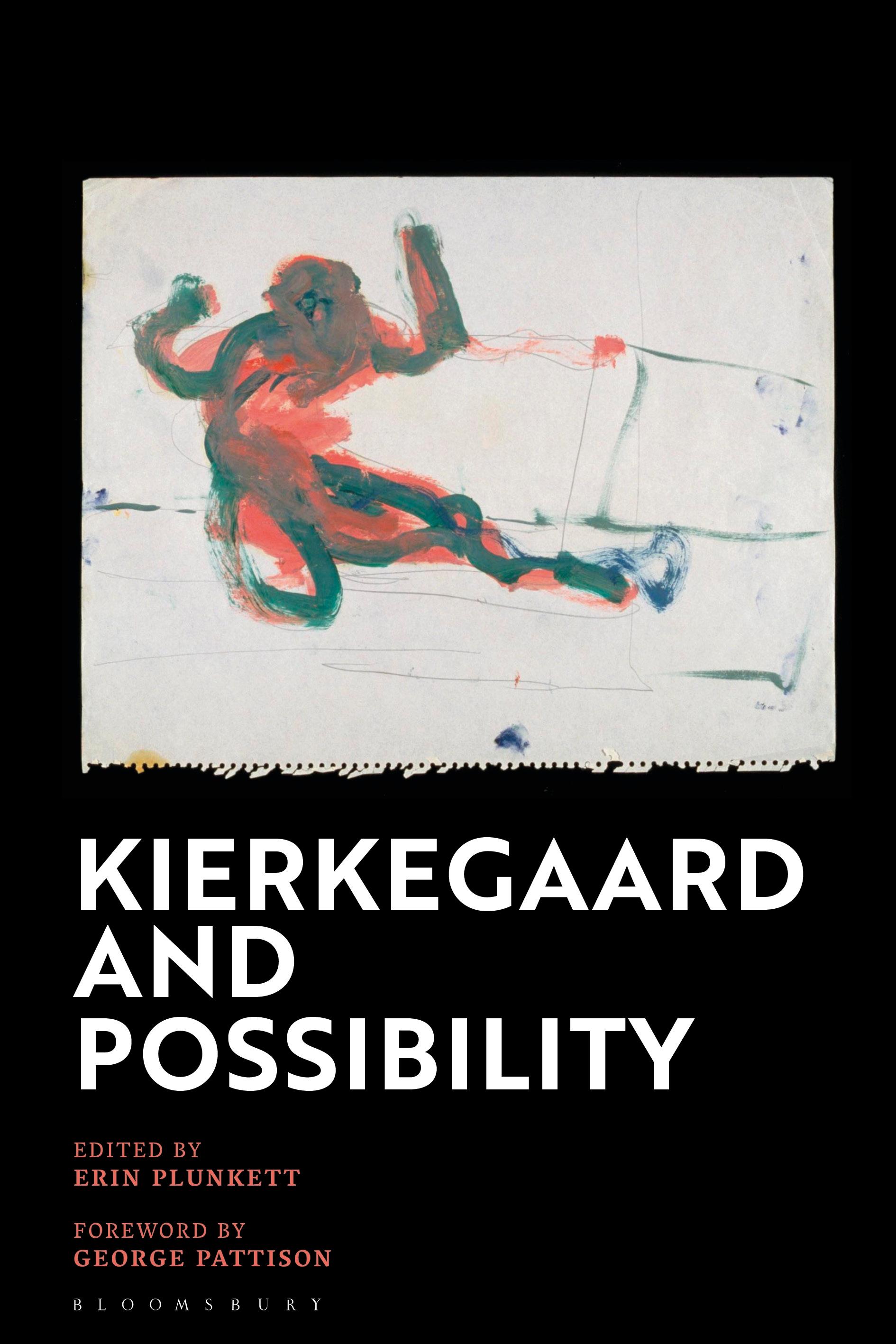
How does our conception of possibility contribute to our understanding of self and world? In what sense does the possible differ from the merely probable, and what would it mean to treat possibility as part of the real? This book is an opportunity to see Kierkegaard as contributing to a distinctive phenomenology, ontology, and psychology of possibility that addresses the question of our existential relationship to the possible.
The term 'possibility' (Mulighed) and its variants occur with curious frequency across Kierkegaard's writings. Key to Kierkegaard's understanding of the self, possibility is linked to a number of core concepts in his works: from imagination, anxiety, despair, and 'the moment' to the idea in The Sickness Unto Death that “God is that all things are possible”. Responding to what he sees as a Hegelian and Aristotelian misunderstanding of possibility, Kierkegaard offers a novel reading of the possible that, in turn, directly influences 20th-century philosophers such as Heidegger, Deleuze, and Derrida.
Kierkegaard gives a rich account of how anxiety and despair, as lived experiences of possibility, not only show us the contingency and fragility of the systems and identities we presently inhabit but also reveal a more fundamental contingency that demands a new way of relating to the possible. For Kierkegaard, hope, faith, and love are attitudes in which meaning is forged by embracing contingency. In a time of political, social, and environmental uncertainty Kierkegaard's work on radical possibility seems more relevant than ever.
The term 'possibility' (Mulighed) and its variants occur with curious frequency across Kierkegaard's writings. Key to Kierkegaard's understanding of the self, possibility is linked to a number of core concepts in his works: from imagination, anxiety, despair, and 'the moment' to the idea in The Sickness Unto Death that “God is that all things are possible”. Responding to what he sees as a Hegelian and Aristotelian misunderstanding of possibility, Kierkegaard offers a novel reading of the possible that, in turn, directly influences 20th-century philosophers such as Heidegger, Deleuze, and Derrida.
Kierkegaard gives a rich account of how anxiety and despair, as lived experiences of possibility, not only show us the contingency and fragility of the systems and identities we presently inhabit but also reveal a more fundamental contingency that demands a new way of relating to the possible. For Kierkegaard, hope, faith, and love are attitudes in which meaning is forged by embracing contingency. In a time of political, social, and environmental uncertainty Kierkegaard's work on radical possibility seems more relevant than ever.
Betaal eenvoudig met kaart, Klarna, Apple Pay of Google Pay. Niet tevreden? Je hebt altijd 14 dagen bedenktijd. Lees meer in onze voorwaarden. Heb je vragen, mail ons dan via hello@memmo.org.
Memmo maakt studeren makkelijker – waar je ook bent ter wereld. Wij brengen je cursusboeken en slimme studietools samen op één plek: samenvattingen, quizzen, podcasts en flashcards. En Ted, je studievriend die antwoord geeft op alles wat je je afvraagt. Meer dan 50.000 studenten studeren hier al – gebouwd om je sneller te laten leren en minder stress te geven.