
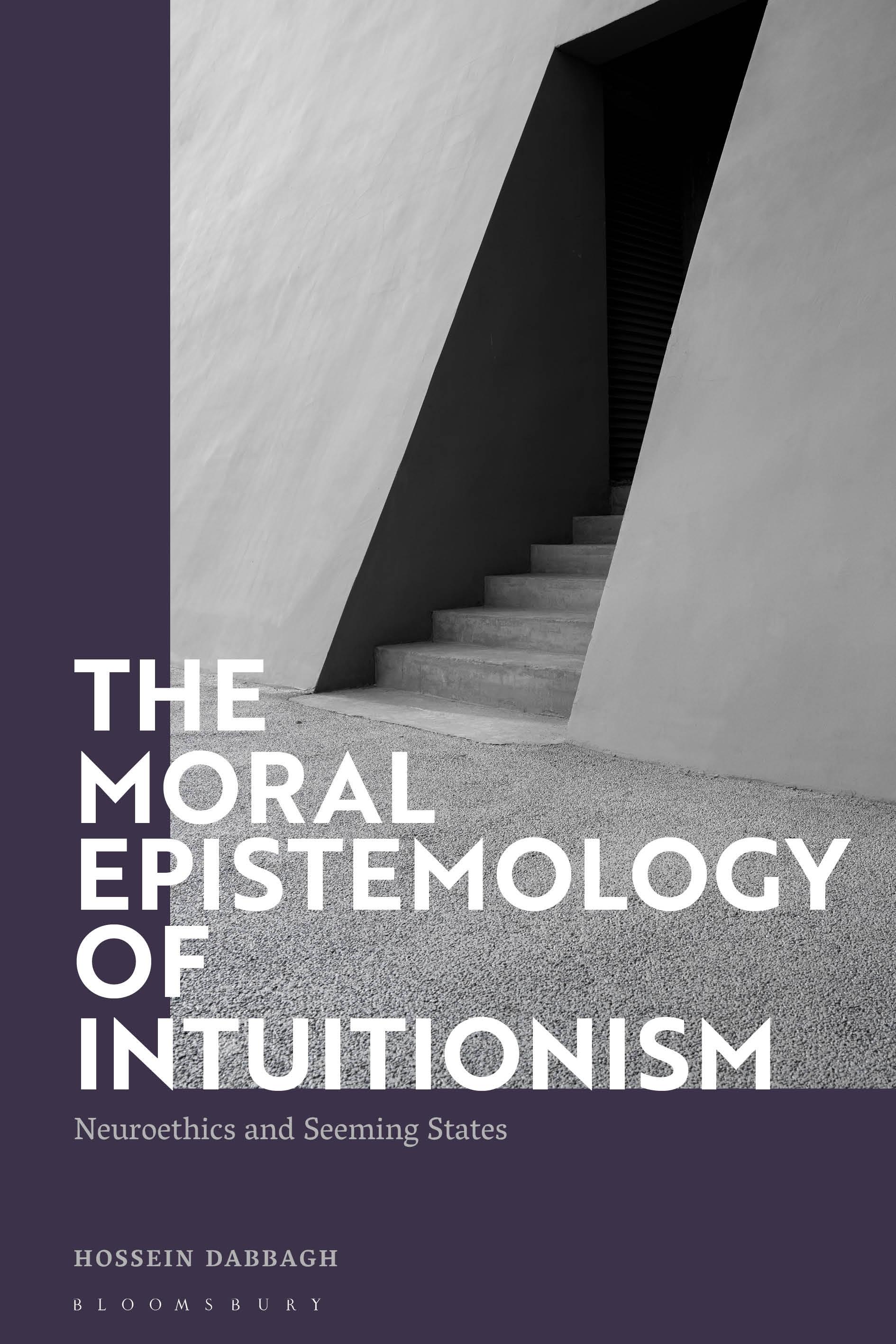
Covering moral intuition, self-evidence, non-inferentiality, moral emotion and seeming states, Hossein Dabbagh defends the epistemology of moral intuitionism.
His line of analysis resists the empirical challenges derived from empirical moral psychology and reveals the seeming-based account of moral intuitionism as the most tenable one. The Moral Epistemology of Intuitionism combines epistemological intuitionism with work in neuroethics to develop an account of the role that moral intuition and emotion play in moral judgment. The book culminates in a convincing argument about the value of understanding moral intuitionism in terms of intellectual seeming and perceptual experience.
His line of analysis resists the empirical challenges derived from empirical moral psychology and reveals the seeming-based account of moral intuitionism as the most tenable one. The Moral Epistemology of Intuitionism combines epistemological intuitionism with work in neuroethics to develop an account of the role that moral intuition and emotion play in moral judgment. The book culminates in a convincing argument about the value of understanding moral intuitionism in terms of intellectual seeming and perceptual experience.
Betaal eenvoudig met kaart, Klarna, Apple Pay of Google Pay. Niet tevreden? Je hebt altijd 14 dagen bedenktijd. Lees meer in onze voorwaarden. Heb je vragen, mail ons dan via hello@memmo.org.
Memmo maakt studeren makkelijker – waar je ook bent ter wereld. Wij brengen je cursusboeken en slimme studietools samen op één plek: samenvattingen, quizzen, podcasts en flashcards. En Ted, je studievriend die antwoord geeft op alles wat je je afvraagt. Meer dan 50.000 studenten studeren hier al – gebouwd om je sneller te laten leren en minder stress te geven.