
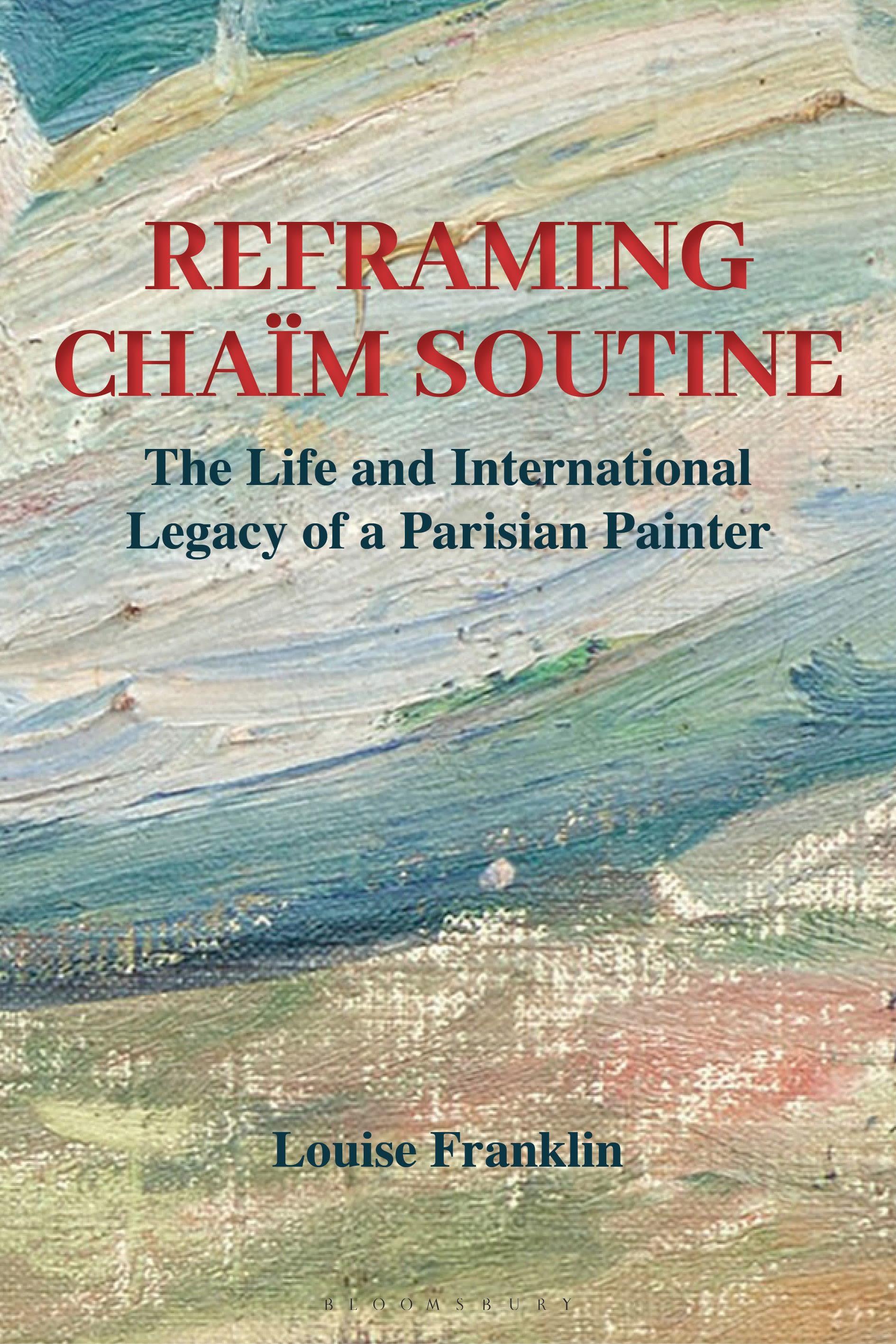
This book presents the first scholarly account of the life and artistic legacy of the influential École de Paris painter, Chaïm Soutine (1893-1943). In addition to presenting new archival and fieldwork findings, Franklin interrogates and decisively dispels many of the persistent, popular but problematic biographical myths that have dogged the artist and limited interpretation of his works.
This book is at once a critical biography and a handbook – with chapters organised both chronologically and thematically – and is divided in two parts: Part I presents an extended scholarly account of Soutine's life, beginning with chapters examining his family and sociocultural milieu, before his educational and physical journeys from the shtetl of Smilavicy to the Parisian art academies and émigré community of the École de Paris are charted. The thematic chapters that follow focus on the role that specific places and people – including Céret, Cagnes-sur-Mer, studios, galleries, friends, lovers, dealers, patrons, collectors and sitters – played in the formation of his life, work and career. Part I concludes with chapters addressing his harrowing experiences as a prominent Jewish artist during WWII and his untimely death in August 1943, including his burial and the first legal battles over control of his estate and legacy. Part II details the reception and impact of Soutine's work in the four countries that exhibited his paintings most frequently in the twentieth century – France, the USA, Britain and, discussed herein for the first time, Japan – and in so doing unequivocally demonstrates the scope of his enduring international artistic legacy.
In sum, this book reframes Chaïm Soutine as an educated, intelligent and sensitive man, a kind friend and influential artist, whose paintings rightly stand amongst the greatest artworks of the twentieth century.
This book is at once a critical biography and a handbook – with chapters organised both chronologically and thematically – and is divided in two parts: Part I presents an extended scholarly account of Soutine's life, beginning with chapters examining his family and sociocultural milieu, before his educational and physical journeys from the shtetl of Smilavicy to the Parisian art academies and émigré community of the École de Paris are charted. The thematic chapters that follow focus on the role that specific places and people – including Céret, Cagnes-sur-Mer, studios, galleries, friends, lovers, dealers, patrons, collectors and sitters – played in the formation of his life, work and career. Part I concludes with chapters addressing his harrowing experiences as a prominent Jewish artist during WWII and his untimely death in August 1943, including his burial and the first legal battles over control of his estate and legacy. Part II details the reception and impact of Soutine's work in the four countries that exhibited his paintings most frequently in the twentieth century – France, the USA, Britain and, discussed herein for the first time, Japan – and in so doing unequivocally demonstrates the scope of his enduring international artistic legacy.
In sum, this book reframes Chaïm Soutine as an educated, intelligent and sensitive man, a kind friend and influential artist, whose paintings rightly stand amongst the greatest artworks of the twentieth century.
Betaal eenvoudig met kaart, Klarna, Apple Pay of Google Pay. Niet tevreden? Je hebt altijd 14 dagen bedenktijd. Lees meer in onze voorwaarden. Heb je vragen, mail ons dan via hello@memmo.org.
Memmo maakt studeren makkelijker – waar je ook bent ter wereld. Wij brengen je cursusboeken en slimme studietools samen op één plek: samenvattingen, quizzen, podcasts en flashcards. En Ted, je studievriend die antwoord geeft op alles wat je je afvraagt. Meer dan 50.000 studenten studeren hier al – gebouwd om je sneller te laten leren en minder stress te geven.