
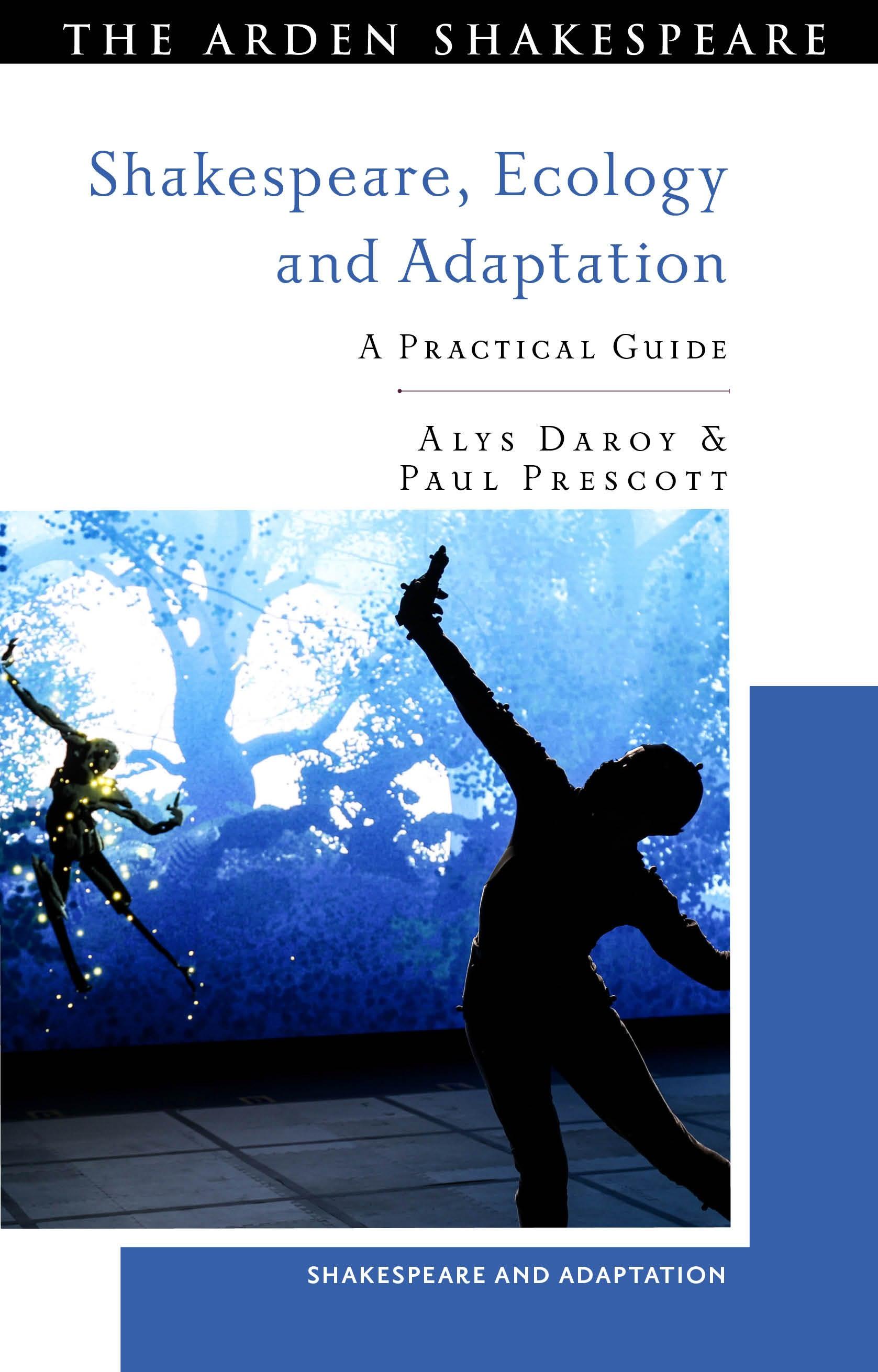
How can we tune into the ecological dynamics of Shakespeare's plays? How can we adapt those plays to address current environmental crises?
This is the first book to fuse Shakespearean ecocriticism with adaptation studies. It is a single critical and contextual resource for students, teachers and practitioners embarking on an in-depth exploration of ecological approaches to Shakespeare and adaptation. The book provides critical insight into ecological performance practices and accessible contextual information for ecocriticism, early modern environmental cultures and theatre-making.
This guide offers:
- Primary texts from the early modern period to the present, covering themes such as weather, botany, agriculture, fertility, land rights, animal and human relationships, metamorphosis and adaptation;
- A focus on 3 of the most studied and adapted plays, A Midsummer Night's Dream, King Lear and The Tempest, as a basis for the wider application of ecological adaptive principles to Shakespeare;
- A full range of environmental references in each focus play through innovative Eco-Tables;
- Concise summaries of literary ecocriticism in relation to each key text;
- Sustained attention to performance and creative writing as ecocritical interventions;
- The first dedicated chapter in the field offering conceptual and practical resources for staging your own Shakespearean eco-adaptation;
- A glossary of key terms and links to resources;
- An accompanying companion website featuring additional resources.
Shakespeare, Ecology and Adaptation: A Practical Guide provides a pedagogic pathway and a ready-made syllabus for teachers. It is also an indispensable resource for theatre directors, designers, actors and dramaturgs seeking inspiration for the environmentally engaged productions and adaptations the future demands of us.
This is the first book to fuse Shakespearean ecocriticism with adaptation studies. It is a single critical and contextual resource for students, teachers and practitioners embarking on an in-depth exploration of ecological approaches to Shakespeare and adaptation. The book provides critical insight into ecological performance practices and accessible contextual information for ecocriticism, early modern environmental cultures and theatre-making.
This guide offers:
- Primary texts from the early modern period to the present, covering themes such as weather, botany, agriculture, fertility, land rights, animal and human relationships, metamorphosis and adaptation;
- A focus on 3 of the most studied and adapted plays, A Midsummer Night's Dream, King Lear and The Tempest, as a basis for the wider application of ecological adaptive principles to Shakespeare;
- A full range of environmental references in each focus play through innovative Eco-Tables;
- Concise summaries of literary ecocriticism in relation to each key text;
- Sustained attention to performance and creative writing as ecocritical interventions;
- The first dedicated chapter in the field offering conceptual and practical resources for staging your own Shakespearean eco-adaptation;
- A glossary of key terms and links to resources;
- An accompanying companion website featuring additional resources.
Shakespeare, Ecology and Adaptation: A Practical Guide provides a pedagogic pathway and a ready-made syllabus for teachers. It is also an indispensable resource for theatre directors, designers, actors and dramaturgs seeking inspiration for the environmentally engaged productions and adaptations the future demands of us.
Pagina's: 248
Categorie: Drama, Teater & Scenkonst
e-ISBN: 9781350282926
Verzendgewicht: 1.2 kg
Verzending binnen: 1-2 dagen
Betaal eenvoudig met kaart, Klarna, Apple Pay of Google Pay. Niet tevreden? Je hebt altijd 14 dagen bedenktijd. Lees meer in onze voorwaarden. Heb je vragen, mail ons dan via hello@memmo.org.
Memmo maakt studeren makkelijker – waar je ook bent ter wereld. Wij brengen je cursusboeken en slimme studietools samen op één plek: samenvattingen, quizzen, podcasts en flashcards. En Ted, je studievriend die antwoord geeft op alles wat je je afvraagt. Meer dan 50.000 studenten studeren hier al – gebouwd om je sneller te laten leren en minder stress te geven.