
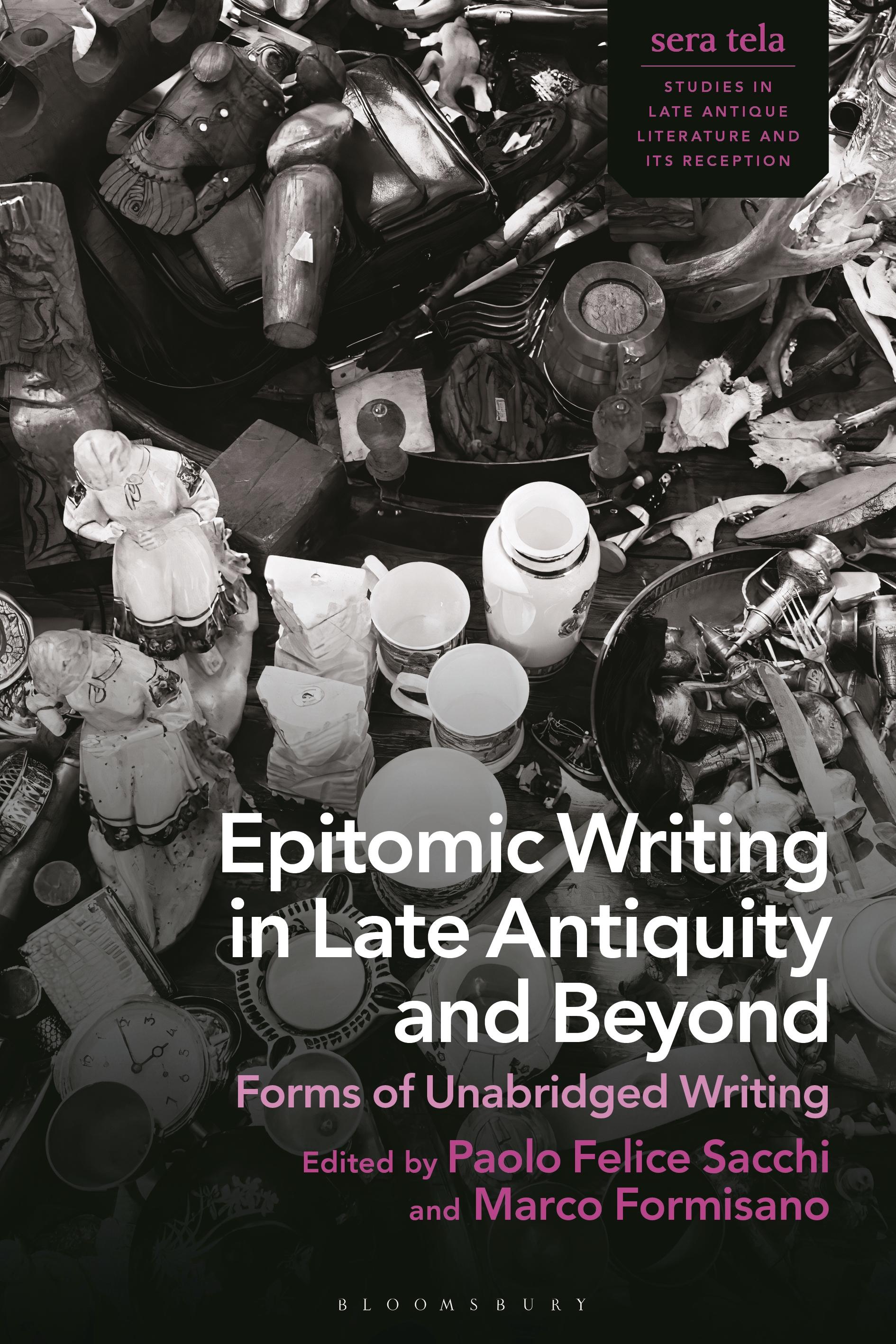
This volume makes a powerful argument for epitome (combining textual dismemberment and re-composition) as a broad hermeneutic field encompassing multifarious historical, conceptual and aesthetical concerns. The contributors gather from across the globe to present case studies of the 'summing up' of cultural artefacts, literary and artistic, in epitomic writing, and as a collective they demonstrate the importance of this genre that has been largely overlooked by scholars.
The volume is divided into five sections: the first showcases the broad range of fields from which epitomic analysis can be made, from classics to postmodernism to cultural memory studies; the second focuses in on epitome as dismemberment in writing from late antiquity to the modern day; the third considers a 'productive negativity' of epitomic writings and how they are useful tools for investigating the very borders and paradoxes of language; the fourth brings this to bear on materiality; the fifth considers re-composition as a counterpart to dismemberment and problematises it.
Across the volume, examples are taken from important late antique writers such as Ausonius, Clement of Alexandria, Macrobius, Nepos, Nonius Marcellus and Symphosius, and from modern authors such as Antonin Artaud, Barthes, Nabokov and Pascal Quignard. Epitomic writings about art from decorated tabulae to sarcophagi are also included, as are epitomic images themselves in the form of manuscript illustrations that sum up their text.
The volume is divided into five sections: the first showcases the broad range of fields from which epitomic analysis can be made, from classics to postmodernism to cultural memory studies; the second focuses in on epitome as dismemberment in writing from late antiquity to the modern day; the third considers a 'productive negativity' of epitomic writings and how they are useful tools for investigating the very borders and paradoxes of language; the fourth brings this to bear on materiality; the fifth considers re-composition as a counterpart to dismemberment and problematises it.
Across the volume, examples are taken from important late antique writers such as Ausonius, Clement of Alexandria, Macrobius, Nepos, Nonius Marcellus and Symphosius, and from modern authors such as Antonin Artaud, Barthes, Nabokov and Pascal Quignard. Epitomic writings about art from decorated tabulae to sarcophagi are also included, as are epitomic images themselves in the form of manuscript illustrations that sum up their text.
Betaal eenvoudig met kaart, Klarna, Apple Pay of Google Pay. Niet tevreden? Je hebt altijd 14 dagen bedenktijd. Lees meer in onze voorwaarden. Heb je vragen, mail ons dan via hello@memmo.org.
Memmo maakt studeren makkelijker – waar je ook bent ter wereld. Wij brengen je cursusboeken en slimme studietools samen op één plek: samenvattingen, quizzen, podcasts en flashcards. En Ted, je studievriend die antwoord geeft op alles wat je je afvraagt. Meer dan 50.000 studenten studeren hier al – gebouwd om je sneller te laten leren en minder stress te geven.