
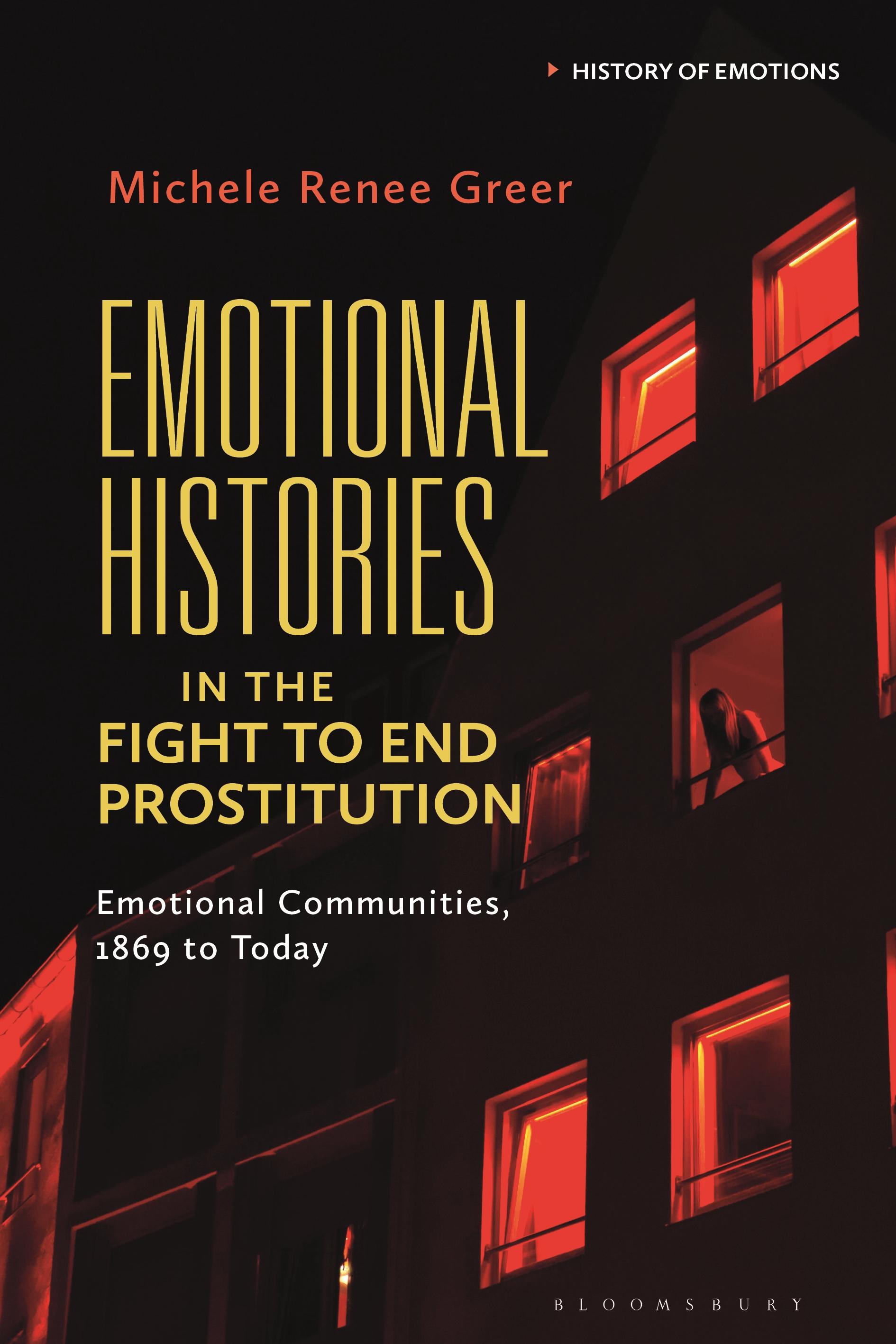
This book sheds new light on the ongoing fight to end prostitution through a historical study of its emotional communities. An issue that has long been the subject of much debate amongst feminists, governments and communities alike, the history of the fight to end prostitution has an important bearing on feminist politics today.
This book identifies key abolitionist emotional communities, tracing their origins, interactions and evolutions with various historical and contemporary emotional styles. In doing do, Emotional Histories in the Fight to End Prostitution highlights a more nuanced view of the movement's history.
From Moral Liberals in 19th century Britain to the American anti-pornography movement and Swedish 'Nordic Model', Emotional Histories in the Fight to End Prostitution shows how emotional styles and practices have influenced the evolution of the fight against prostitution in Britain, the United States and Western Europe. From the fear of sin, to maternal compassion and survivor shame and loss, Michele Greer historicizes emotions and studies them as dynamic forms of situated knowledge. In doing so, she sheds light on how women's lived experiences have been transformed and politicized, and raises important questions around how feminist emotions in social protest can not only challenge but unknowingly defend existing socio-political conventions and inequalities. Highlighting the links between past and present forms of abolitionism, it shows that this connection is more complex and far-reaching than currently assumed, and offers new perspectives on the history of emotions.
This book identifies key abolitionist emotional communities, tracing their origins, interactions and evolutions with various historical and contemporary emotional styles. In doing do, Emotional Histories in the Fight to End Prostitution highlights a more nuanced view of the movement's history.
From Moral Liberals in 19th century Britain to the American anti-pornography movement and Swedish 'Nordic Model', Emotional Histories in the Fight to End Prostitution shows how emotional styles and practices have influenced the evolution of the fight against prostitution in Britain, the United States and Western Europe. From the fear of sin, to maternal compassion and survivor shame and loss, Michele Greer historicizes emotions and studies them as dynamic forms of situated knowledge. In doing so, she sheds light on how women's lived experiences have been transformed and politicized, and raises important questions around how feminist emotions in social protest can not only challenge but unknowingly defend existing socio-political conventions and inequalities. Highlighting the links between past and present forms of abolitionism, it shows that this connection is more complex and far-reaching than currently assumed, and offers new perspectives on the history of emotions.
Betaal eenvoudig met kaart, Klarna, Apple Pay of Google Pay. Niet tevreden? Je hebt altijd 14 dagen bedenktijd. Lees meer in onze voorwaarden. Heb je vragen, mail ons dan via hello@memmo.org.
Memmo maakt studeren makkelijker – waar je ook bent ter wereld. Wij brengen je cursusboeken en slimme studietools samen op één plek: samenvattingen, quizzen, podcasts en flashcards. En Ted, je studievriend die antwoord geeft op alles wat je je afvraagt. Meer dan 50.000 studenten studeren hier al – gebouwd om je sneller te laten leren en minder stress te geven.