
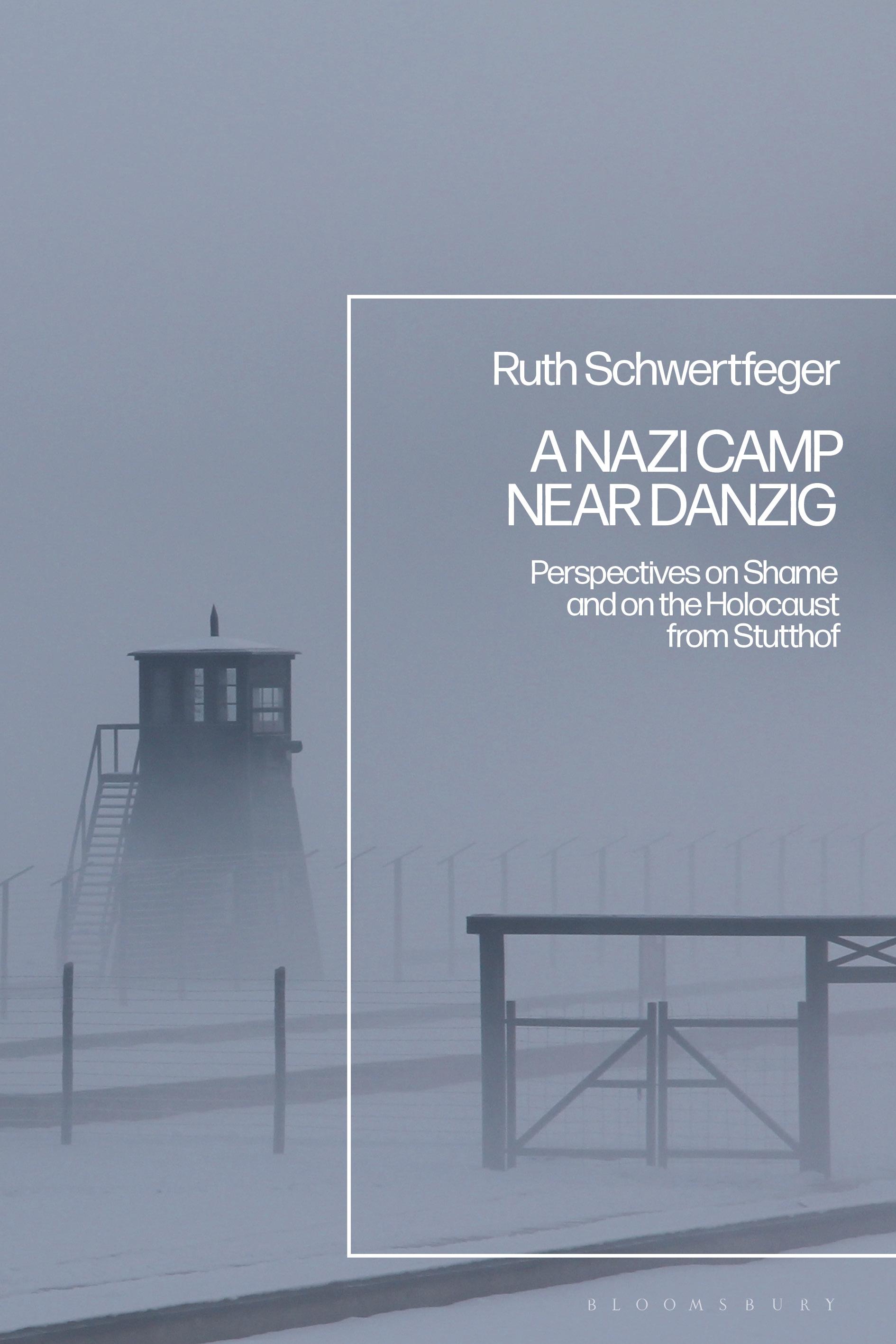
Within the vast network of Nazi camps, Stutthof may be the least known beyond Poland. This book is the first scholarly publication in English to break the silence of Stutthof, where 120,000 people were interned and at least 65,000 perished. A Nazi Camp Near Danzig offers an overview of Stutthof's history. It also explores Danzig's significance in promoting the cult of German nationalism which led to Stutthof's establishment and which shaped its subsequent development in 1942 into a Concentration Camp, with the full resources of the Nazi Reich.
The book shows how Danzig/Gdansk, generally identified as the city where the Second World War started, became under Albert Forster, Hitler's hand-picked Gauleiter, 'the vanguard of Germandom in the east' and with its disputed history, the poster city for the Third Reich. It reflects on the fact that Danzig was close enough to supply Stutthof with both prisoners – initially local Poles and Jews – as well as local men for its SS workforce. Throughout the study, Ruth Schwertfeger draws on the stories of Danziger and Nobel Prize winner, Günter Grass to consider the darker realities of German nationalism that even Grass's vibrant depictions and wit cannot mask. Schwertfeger demonstrates how German nationalism became more lethal for all prisoners, especially after the summer of 1944 when thousands of Jewish woman died in the Stutthof camp system or perished in the 'death marches' after January 1945. Schwertfeger uses archival and literary sources, as well as memoirs, to allow the voices of the victims to speak. Their testimonies are juxtaposed with the justifications of perpetrators. The book successfully argues that, in the end, Stutthof was no less lethal than other camps of the Third Reich, even if it was, and remains, less well-known.
The book shows how Danzig/Gdansk, generally identified as the city where the Second World War started, became under Albert Forster, Hitler's hand-picked Gauleiter, 'the vanguard of Germandom in the east' and with its disputed history, the poster city for the Third Reich. It reflects on the fact that Danzig was close enough to supply Stutthof with both prisoners – initially local Poles and Jews – as well as local men for its SS workforce. Throughout the study, Ruth Schwertfeger draws on the stories of Danziger and Nobel Prize winner, Günter Grass to consider the darker realities of German nationalism that even Grass's vibrant depictions and wit cannot mask. Schwertfeger demonstrates how German nationalism became more lethal for all prisoners, especially after the summer of 1944 when thousands of Jewish woman died in the Stutthof camp system or perished in the 'death marches' after January 1945. Schwertfeger uses archival and literary sources, as well as memoirs, to allow the voices of the victims to speak. Their testimonies are juxtaposed with the justifications of perpetrators. The book successfully argues that, in the end, Stutthof was no less lethal than other camps of the Third Reich, even if it was, and remains, less well-known.
Betaal eenvoudig met kaart, Klarna, Apple Pay of Google Pay. Niet tevreden? Je hebt altijd 14 dagen bedenktijd. Lees meer in onze voorwaarden. Heb je vragen, mail ons dan via hello@memmo.org.
Memmo maakt studeren makkelijker – waar je ook bent ter wereld. Wij brengen je cursusboeken en slimme studietools samen op één plek: samenvattingen, quizzen, podcasts en flashcards. En Ted, je studievriend die antwoord geeft op alles wat je je afvraagt. Meer dan 50.000 studenten studeren hier al – gebouwd om je sneller te laten leren en minder stress te geven.