
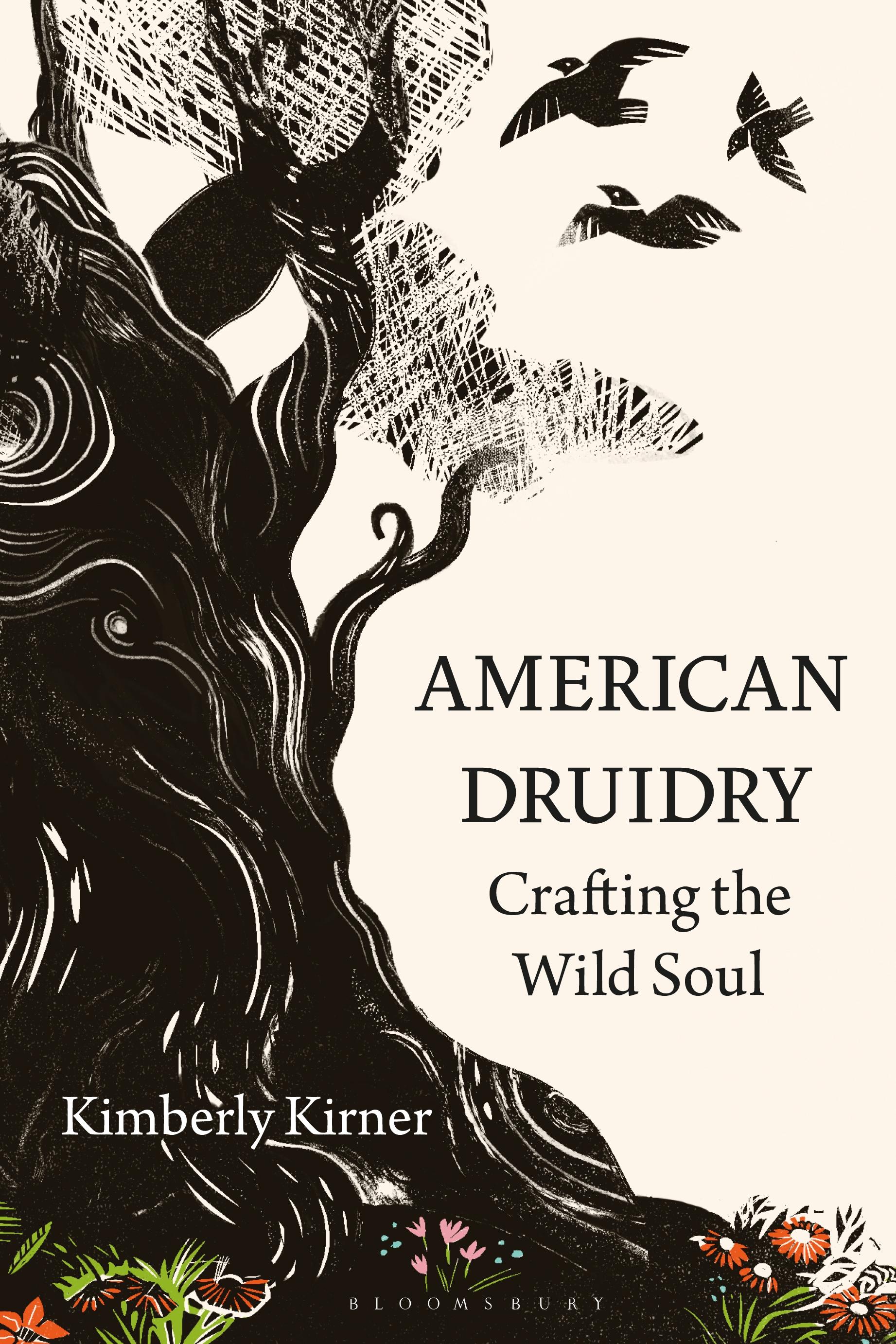
Approaching Druidry as an emerging religious movement that offers an alternative to the mainstream materialist, consumerist culture of the United States, Kimberly Kirner analyses her own life as a Druid through the lens of her profession as a cultural anthropologist.
Interweaving lively stories of her life as a Druid with accessible analytical essays drawing from an unusual array of literature from the anthropology of religion, the anthropology of consciousness, organizational anthropology, cognitive anthropology, and ethnoecology, she leads the reader into an experiential and conceptual understanding of Druidry as a way of life and as a contemporary Western new religious movement that challenges Christo-centric definitions of religion.
Reflecting on three domains of the Druidic life, the author describes the Druidic worldview (place, time, and the body), community (relational spirituality), and vocation (ethics and action). These descriptions are punctuated with reflective essays that question the boundaries and nature of religion as it is generally understood in the Western world by examining how Druidry might be understood using concepts more appropriate to Druids' conceptualizations of themselves.
Interweaving lively stories of her life as a Druid with accessible analytical essays drawing from an unusual array of literature from the anthropology of religion, the anthropology of consciousness, organizational anthropology, cognitive anthropology, and ethnoecology, she leads the reader into an experiential and conceptual understanding of Druidry as a way of life and as a contemporary Western new religious movement that challenges Christo-centric definitions of religion.
Reflecting on three domains of the Druidic life, the author describes the Druidic worldview (place, time, and the body), community (relational spirituality), and vocation (ethics and action). These descriptions are punctuated with reflective essays that question the boundaries and nature of religion as it is generally understood in the Western world by examining how Druidry might be understood using concepts more appropriate to Druids' conceptualizations of themselves.
Betaal eenvoudig met kaart, Klarna, Apple Pay of Google Pay. Niet tevreden? Je hebt altijd 14 dagen bedenktijd. Lees meer in onze voorwaarden. Heb je vragen, mail ons dan via hello@memmo.org.
Memmo maakt studeren makkelijker – waar je ook bent ter wereld. Wij brengen je cursusboeken en slimme studietools samen op één plek: samenvattingen, quizzen, podcasts en flashcards. En Ted, je studievriend die antwoord geeft op alles wat je je afvraagt. Meer dan 50.000 studenten studeren hier al – gebouwd om je sneller te laten leren en minder stress te geven.