
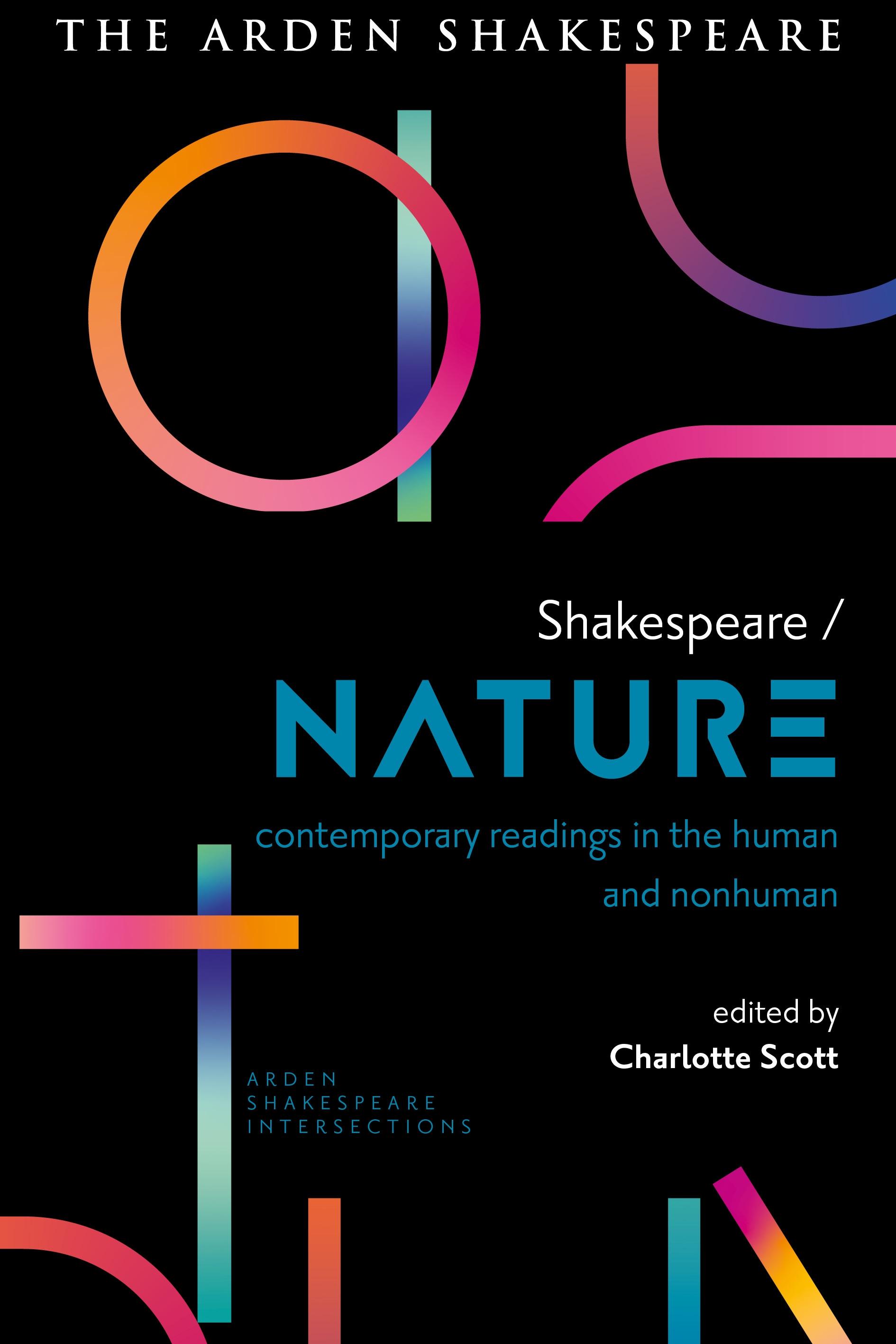
Shakespeare / Nature sets new agendas for the study of nature in Shakespeare's work. Offering a rich exploration of the intersections between the human and non-human worlds, the chapters focus on the contested and persuasive language of nature, both as organic matter and cultural conditioning.
Rooted in close textual analysis and historical acuity, this collection addresses Shakespeare's works through the many ways in which 'nature' performs, as a cultural category, a moral marker and a set of essential conditions through which the human may pass, as well as affect. Addressing the complex conditions of the play worlds, the chapters explore the assorted forms through which Shakespeare's nature makes sense of its narratives and supports, upholds or contests its story-telling.
Over the course of the collection, the contributors examine plays including Macbeth, Julius Caesar, The Tempest, The Taming of the Shrew, Othello, Love's Labour's Lost, Hamlet, Timon of Athens and many more. They discuss them through the various lenses of philosophy, historicism, psychoanalysis, gender studies, cosmography, geography, sexuality, linguistics, environmentalism, feminism and robotics, to provide new and nuanced readings of the intersectional terms of both meaning and matter.
Approaching 'nature' in all its multiplicity, this collection sets out to examine the divergent and complex ways in which the human and non-human worlds intersect and the development of a language of symbiosis that attempts to both control and create the terms of human authority. It offers an entirely new approach to the subject of nature, bringing together disparate methods that have previously been pursued independently to offer a shared investment in the intersections between the human and non-human worlds and how these discourses shape and condition the emotional, organic, cultural and psychological landscapes of Shakespeare's play worlds.
Rooted in close textual analysis and historical acuity, this collection addresses Shakespeare's works through the many ways in which 'nature' performs, as a cultural category, a moral marker and a set of essential conditions through which the human may pass, as well as affect. Addressing the complex conditions of the play worlds, the chapters explore the assorted forms through which Shakespeare's nature makes sense of its narratives and supports, upholds or contests its story-telling.
Over the course of the collection, the contributors examine plays including Macbeth, Julius Caesar, The Tempest, The Taming of the Shrew, Othello, Love's Labour's Lost, Hamlet, Timon of Athens and many more. They discuss them through the various lenses of philosophy, historicism, psychoanalysis, gender studies, cosmography, geography, sexuality, linguistics, environmentalism, feminism and robotics, to provide new and nuanced readings of the intersectional terms of both meaning and matter.
Approaching 'nature' in all its multiplicity, this collection sets out to examine the divergent and complex ways in which the human and non-human worlds intersect and the development of a language of symbiosis that attempts to both control and create the terms of human authority. It offers an entirely new approach to the subject of nature, bringing together disparate methods that have previously been pursued independently to offer a shared investment in the intersections between the human and non-human worlds and how these discourses shape and condition the emotional, organic, cultural and psychological landscapes of Shakespeare's play worlds.
Betaal eenvoudig met kaart, Klarna, Apple Pay of Google Pay. Niet tevreden? Je hebt altijd 14 dagen bedenktijd. Lees meer in onze voorwaarden. Heb je vragen, mail ons dan via hello@memmo.org.
Memmo maakt studeren makkelijker – waar je ook bent ter wereld. Wij brengen je cursusboeken en slimme studietools samen op één plek: samenvattingen, quizzen, podcasts en flashcards. En Ted, je studievriend die antwoord geeft op alles wat je je afvraagt. Meer dan 50.000 studenten studeren hier al – gebouwd om je sneller te laten leren en minder stress te geven.