
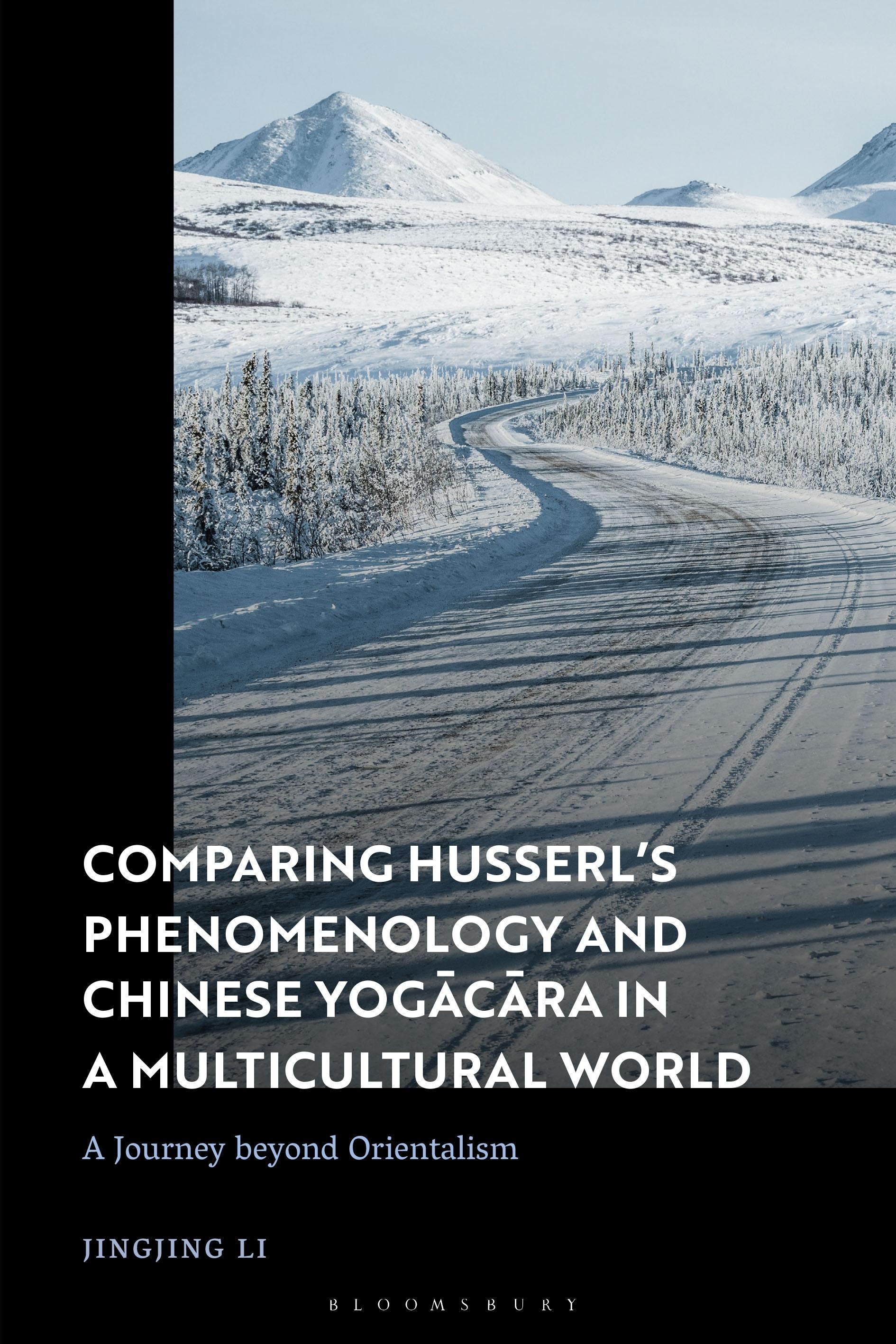
How is constructive cultural exchange possible when traditions hold such contradictory views? Jingjing Li brings Edmund Husserl's phenomenology and Chinese Yogacara Buddhism into dialogue to explore the concept of essence.
While phenomenology and Yogacara Buddhism are both known for their investigations of consciousness, there exists a core tension between them: phenomenology affirms the existence of essence, whereas Yogacara Buddhism argues that everything is empty of essence (svabhava). Answering this question and positioning both philosophical traditions in their respective intellectual and linguistic contexts, Li argues that what Husserl means by essence differs from what Chinese Yogacarins mean by svabhava. We see how Husserl problematises the substantialist understanding of essence in European philosophy.
Detailing the process of finding a middle ground between the two traditions, Li's rich study demonstrates how both can thrive together in order to overcome Orientalism. She reveals that Chinese Yogacara has developed a distinct account of self-transformation, ethics and social ontology that renders it much more than simply a Buddhist version of Husserlian phenomenology.
While phenomenology and Yogacara Buddhism are both known for their investigations of consciousness, there exists a core tension between them: phenomenology affirms the existence of essence, whereas Yogacara Buddhism argues that everything is empty of essence (svabhava). Answering this question and positioning both philosophical traditions in their respective intellectual and linguistic contexts, Li argues that what Husserl means by essence differs from what Chinese Yogacarins mean by svabhava. We see how Husserl problematises the substantialist understanding of essence in European philosophy.
Detailing the process of finding a middle ground between the two traditions, Li's rich study demonstrates how both can thrive together in order to overcome Orientalism. She reveals that Chinese Yogacara has developed a distinct account of self-transformation, ethics and social ontology that renders it much more than simply a Buddhist version of Husserlian phenomenology.
Pagina's: 272
Categorie: Filosofi
e-ISBN: 9781350256927
Verzendgewicht: 1.2 kg
Verzending binnen: 1-2 dagen
Betaal eenvoudig met kaart, Klarna, Apple Pay of Google Pay. Niet tevreden? Je hebt altijd 14 dagen bedenktijd. Lees meer in onze voorwaarden. Heb je vragen, mail ons dan via hello@memmo.org.
Memmo maakt studeren makkelijker – waar je ook bent ter wereld. Wij brengen je cursusboeken en slimme studietools samen op één plek: samenvattingen, quizzen, podcasts en flashcards. En Ted, je studievriend die antwoord geeft op alles wat je je afvraagt. Meer dan 50.000 studenten studeren hier al – gebouwd om je sneller te laten leren en minder stress te geven.