
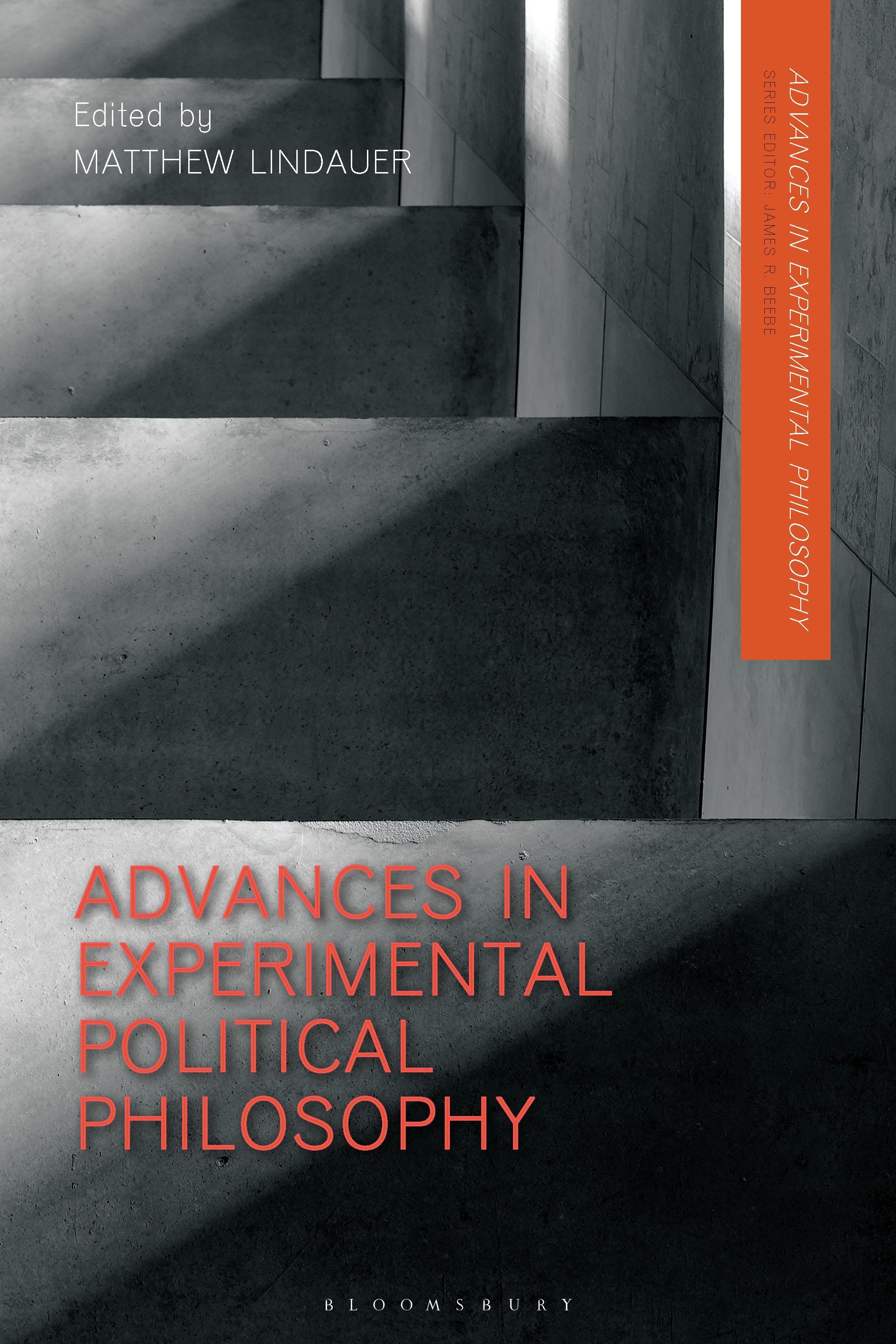
Political philosophy asks questions of great importance to our lives, both as individuals and members of political communities: What is justice? What does the state owe to its citizens? Under which conditions are different forms of government likely to be stable? The relevance of empirical research to such questions, however, has been largely underexplored.
Introducing experimental political philosophy as a burgeoning field of inquiry, this volume brings together leading scholars using empirical methods to shed light on questions of justice and politics, and encourages them to reflect on the relationship of their methodologies to less empirically-focused approaches. Chapters cover traditional topics including distributive justice, egalitarianism, property rights, and healthcare justice, as well as outlining new directions and applications, such as the problem of misogynistic extremist movements, the public justification of immigration enforcement, and the relationship between gender norms and support for care labor organizing. The result is a unique collection that paves the way for further debates in the field and meaningful reflection on what it means for political philosophy to be empirically informed.
Introducing experimental political philosophy as a burgeoning field of inquiry, this volume brings together leading scholars using empirical methods to shed light on questions of justice and politics, and encourages them to reflect on the relationship of their methodologies to less empirically-focused approaches. Chapters cover traditional topics including distributive justice, egalitarianism, property rights, and healthcare justice, as well as outlining new directions and applications, such as the problem of misogynistic extremist movements, the public justification of immigration enforcement, and the relationship between gender norms and support for care labor organizing. The result is a unique collection that paves the way for further debates in the field and meaningful reflection on what it means for political philosophy to be empirically informed.
Betaal eenvoudig met kaart, Klarna, Apple Pay of Google Pay. Niet tevreden? Je hebt altijd 14 dagen bedenktijd. Lees meer in onze voorwaarden. Heb je vragen, mail ons dan via hello@memmo.org.
Memmo maakt studeren makkelijker – waar je ook bent ter wereld. Wij brengen je cursusboeken en slimme studietools samen op één plek: samenvattingen, quizzen, podcasts en flashcards. En Ted, je studievriend die antwoord geeft op alles wat je je afvraagt. Meer dan 50.000 studenten studeren hier al – gebouwd om je sneller te laten leren en minder stress te geven.