
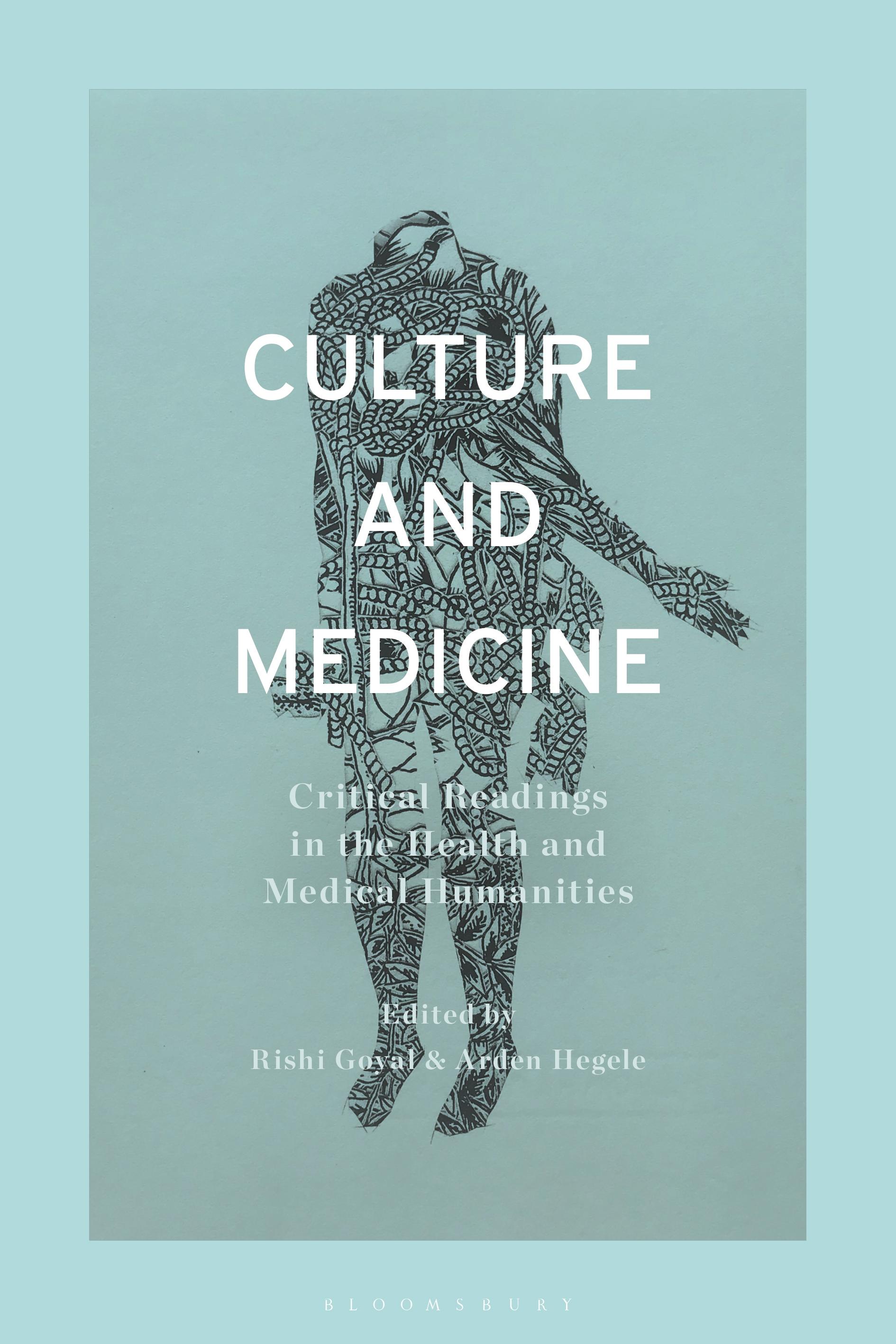
Charting shared advances across the emerging fields of medical humanities and health humanities, this book engages with the question of how biomedical knowledge is constructed, negotiated, and circulated as a cultural practice.
The volume is composed of a series of pathbreaking inter-disciplinary essays that bring sociocultural habits of mind and modes of thought to the study of medicine, health and patients. These juxtapositions create new forms of knowledge, while emphasizing the vulnerability of human bodies, anti-essentialist approaches to biology, a sensitivity to language and rhetoric, and an attention to social justice.
These essays dissect the ways that cultural practices define the limits of health and the body: from the body's place and trajectory in the world to how bodies relate to one another, from questions about ageing and sex to what counts as health and illness.
Considering how these and other concepts are shaped by a negotiation between medico-scientific knowledge and ways of knowing derived from other domains, this book provides important new insights into how biomedical frameworks become settled forms for broader cultural understanding.
The volume is composed of a series of pathbreaking inter-disciplinary essays that bring sociocultural habits of mind and modes of thought to the study of medicine, health and patients. These juxtapositions create new forms of knowledge, while emphasizing the vulnerability of human bodies, anti-essentialist approaches to biology, a sensitivity to language and rhetoric, and an attention to social justice.
These essays dissect the ways that cultural practices define the limits of health and the body: from the body's place and trajectory in the world to how bodies relate to one another, from questions about ageing and sex to what counts as health and illness.
Considering how these and other concepts are shaped by a negotiation between medico-scientific knowledge and ways of knowing derived from other domains, this book provides important new insights into how biomedical frameworks become settled forms for broader cultural understanding.
Betaal eenvoudig met kaart, Klarna, Apple Pay of Google Pay. Niet tevreden? Je hebt altijd 14 dagen bedenktijd. Lees meer in onze voorwaarden. Heb je vragen, mail ons dan via hello@memmo.org.
Memmo maakt studeren makkelijker – waar je ook bent ter wereld. Wij brengen je cursusboeken en slimme studietools samen op één plek: samenvattingen, quizzen, podcasts en flashcards. En Ted, je studievriend die antwoord geeft op alles wat je je afvraagt. Meer dan 50.000 studenten studeren hier al – gebouwd om je sneller te laten leren en minder stress te geven.