
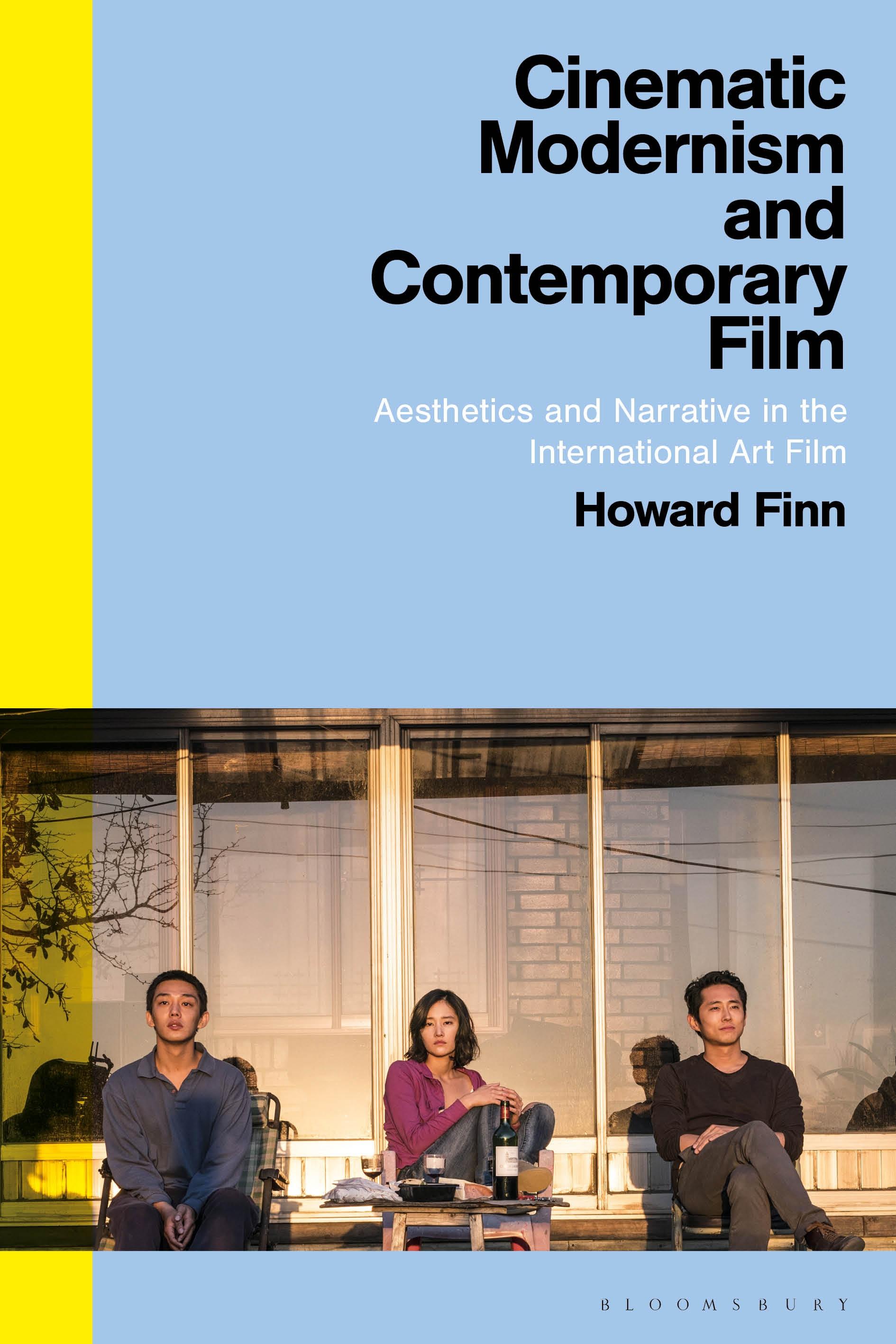
Cinema was the most important new artistic medium of the twentieth century and modernism was the most important new aesthetic movement across the arts in the twentieth century. However, what exactly is the relationship between cinema and modernism?
Cinematic Modernism and Contemporary Film explores how in the early twentieth century cinema came to be seen as one of the new technologies which epitomised modernity and how cinema itself reflected ideas, hopes and fears concerning modern life. Howard Finn examines the emergence of a new 'international style' of cinema, combining a poetic aesthetic of the image with genre-based fictional narrative and documentary realism. He provides concise accounts of how theorists such as André Bazin, Siegfried Kracauer, Gilles Deleuze and Jacques Rancière have discussed this cinematic aesthetic, clarifying debates over terms such as 'realism', 'classical' and 'avant-garde' as well as recent controversies over terms such as 'slow cinema' and 'vernacular modernism'. He further argues the influence of modernism through close readings of many contemporary films, including films by Abbas Kiarostami, Béla Tarr, Jia Zhangke, and Angela Schanelec.
Drawing on a broad range of examples, including Soviet montage, Italian neorealism, postwar new waves and the 'new cinema' of Taiwan and Iran, this book explores the cultural significance of modernism and its lasting influence over cinema.
Cinematic Modernism and Contemporary Film explores how in the early twentieth century cinema came to be seen as one of the new technologies which epitomised modernity and how cinema itself reflected ideas, hopes and fears concerning modern life. Howard Finn examines the emergence of a new 'international style' of cinema, combining a poetic aesthetic of the image with genre-based fictional narrative and documentary realism. He provides concise accounts of how theorists such as André Bazin, Siegfried Kracauer, Gilles Deleuze and Jacques Rancière have discussed this cinematic aesthetic, clarifying debates over terms such as 'realism', 'classical' and 'avant-garde' as well as recent controversies over terms such as 'slow cinema' and 'vernacular modernism'. He further argues the influence of modernism through close readings of many contemporary films, including films by Abbas Kiarostami, Béla Tarr, Jia Zhangke, and Angela Schanelec.
Drawing on a broad range of examples, including Soviet montage, Italian neorealism, postwar new waves and the 'new cinema' of Taiwan and Iran, this book explores the cultural significance of modernism and its lasting influence over cinema.
Betaal eenvoudig met kaart, Klarna, Apple Pay of Google Pay. Niet tevreden? Je hebt altijd 14 dagen bedenktijd. Lees meer in onze voorwaarden. Heb je vragen, mail ons dan via hello@memmo.org.
Memmo maakt studeren makkelijker – waar je ook bent ter wereld. Wij brengen je cursusboeken en slimme studietools samen op één plek: samenvattingen, quizzen, podcasts en flashcards. En Ted, je studievriend die antwoord geeft op alles wat je je afvraagt. Meer dan 50.000 studenten studeren hier al – gebouwd om je sneller te laten leren en minder stress te geven.