
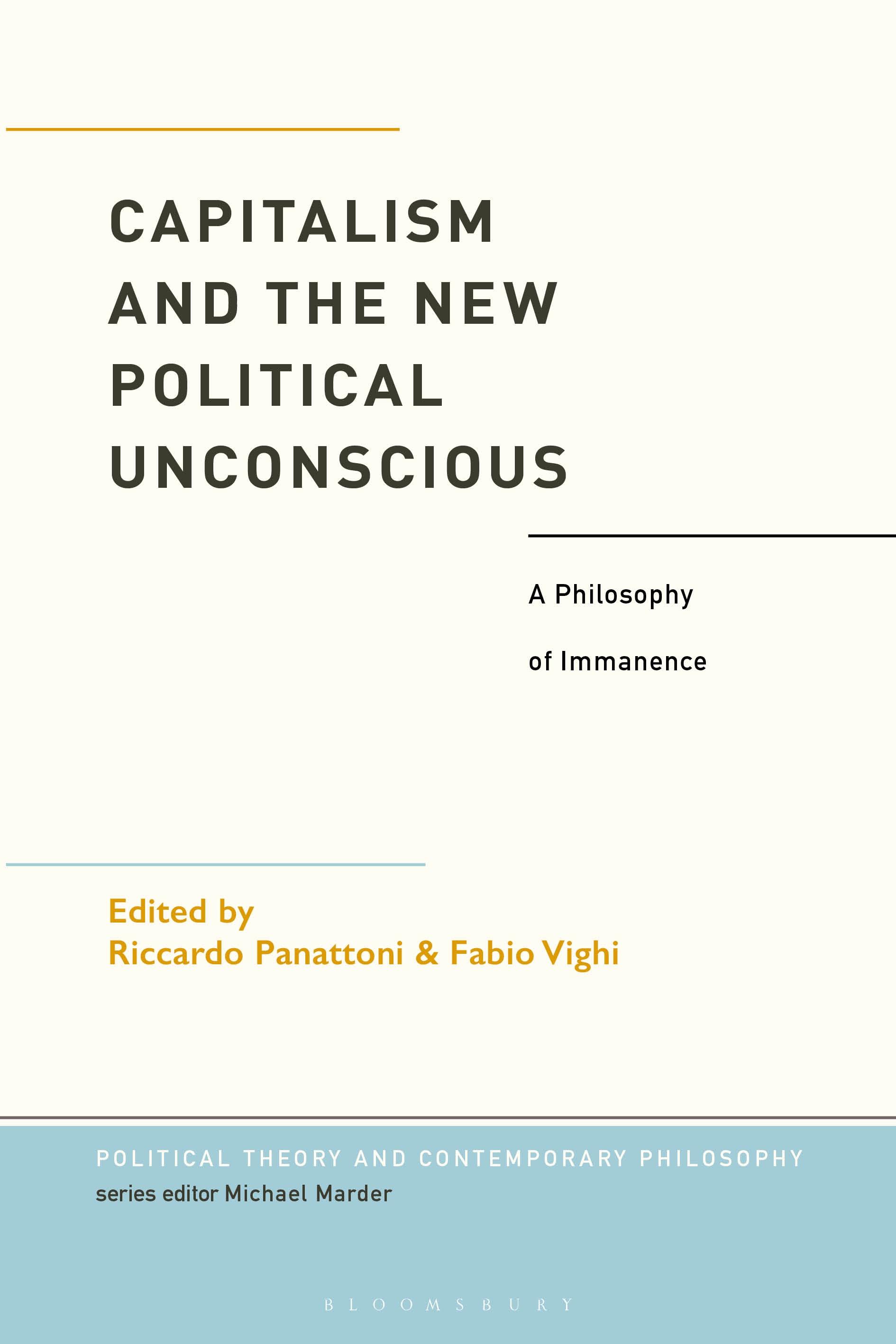
Taking seriously Jacques Lacan's claim that 'the unconscious is politics', this volume proposes a new understanding of political power, interrogating the assumption that contemporary capitalism functions by tapping into forms of unconscious enjoyment, rather than providing transcendental conditions for the articulation of political meanings and desires.
Whether we're aware of it or not, political communication today targets the audience's libidinal response through political and institutional language: in policies, speeches, tweets, social media appearances, gestures and images. Yet does this mean that current power structures no longer need symbolic or ideological frameworks? The authors in this volume think not. Far from demonstrating a shift to a post-ideological age, they argue instead that such methods inaugurate an altogether novel approach to political power.
Written by leading scholars from around the world, including Roberto Esposito and Slavoj Žižek, each chapter reflects on contemporary power and inspires consideration of new political potentialities, which our focus on politics in transcendental rather than immanent terms has thus far obscured. In so doing, Capitalism and the New Political Unconscious provides an original and forceful exploration of the centrality of both psychoanalytic theory and the philosophy of immanence to an alternative understanding of the political.
Whether we're aware of it or not, political communication today targets the audience's libidinal response through political and institutional language: in policies, speeches, tweets, social media appearances, gestures and images. Yet does this mean that current power structures no longer need symbolic or ideological frameworks? The authors in this volume think not. Far from demonstrating a shift to a post-ideological age, they argue instead that such methods inaugurate an altogether novel approach to political power.
Written by leading scholars from around the world, including Roberto Esposito and Slavoj Žižek, each chapter reflects on contemporary power and inspires consideration of new political potentialities, which our focus on politics in transcendental rather than immanent terms has thus far obscured. In so doing, Capitalism and the New Political Unconscious provides an original and forceful exploration of the centrality of both psychoanalytic theory and the philosophy of immanence to an alternative understanding of the political.
Betaal eenvoudig met kaart, Klarna, Apple Pay of Google Pay. Niet tevreden? Je hebt altijd 14 dagen bedenktijd. Lees meer in onze voorwaarden. Heb je vragen, mail ons dan via hello@memmo.org.
Memmo maakt studeren makkelijker – waar je ook bent ter wereld. Wij brengen je cursusboeken en slimme studietools samen op één plek: samenvattingen, quizzen, podcasts en flashcards. En Ted, je studievriend die antwoord geeft op alles wat je je afvraagt. Meer dan 50.000 studenten studeren hier al – gebouwd om je sneller te laten leren en minder stress te geven.