
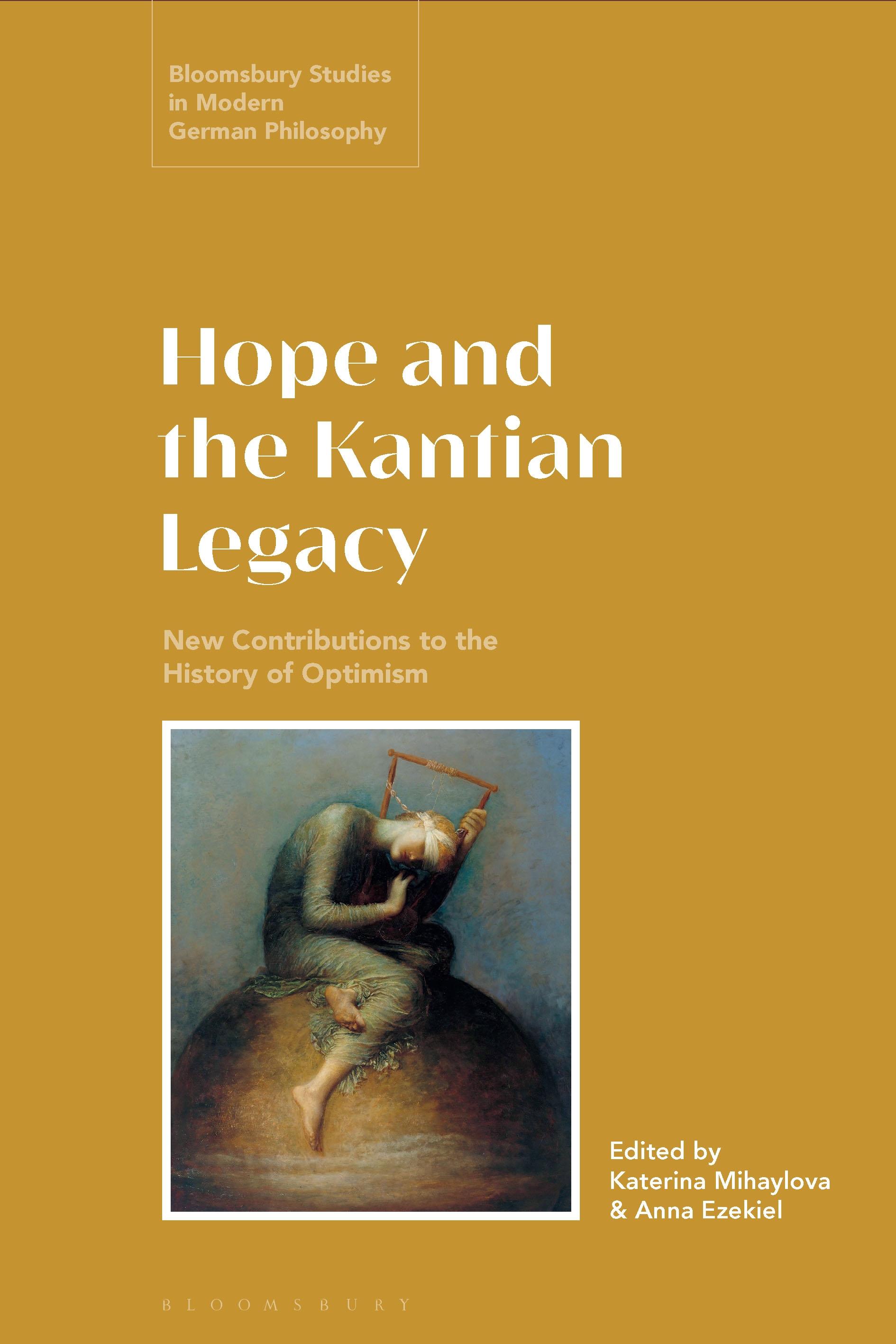
Hope is understood to be a significant part of human experience, including for motivating behaviour, promoting happiness, and justifying a conception of the self as having agency. Yet substantial gaps remain regarding the development of the concept of hope in the history of philosophy. This collection addresses this gap by reconstructing and analysing a variety of approaches to hope in late 18th- and 19th-century German philosophy.
In 1781, Kant's idea of a “rational hope” shifted the terms of discussion about hope and its role for human self-understanding. In the 19th century, a wide-ranging debate over the meaning and function of hope emerged in response to his work. Drawing on expertise from a diverse group of contributors, this collection explores perspectives on hope from Kant, Fichte, Schelling, Schopenhauer, J. S. Beck, J. C. Hoffbauer, Wilhelm von Humboldt, Georg Friedrich Creuzer, Kierkegaard and others. Chapters consider different aspects of the concept of hope, including the rationality of hope, appropriate and inappropriate applications of hope and the function of hope in relation to religion and society.
The result is a valuable collection covering a century of the role of hope in shaping cognitive attitudes and constructing social, political and moral communities. As an overview of philosophical approaches to hope during this period, including by philosophers who are seldom studied today, the collection constitutes a valuable resource for exploring the development of this important concept in post-Kantian German philosophy.
In 1781, Kant's idea of a “rational hope” shifted the terms of discussion about hope and its role for human self-understanding. In the 19th century, a wide-ranging debate over the meaning and function of hope emerged in response to his work. Drawing on expertise from a diverse group of contributors, this collection explores perspectives on hope from Kant, Fichte, Schelling, Schopenhauer, J. S. Beck, J. C. Hoffbauer, Wilhelm von Humboldt, Georg Friedrich Creuzer, Kierkegaard and others. Chapters consider different aspects of the concept of hope, including the rationality of hope, appropriate and inappropriate applications of hope and the function of hope in relation to religion and society.
The result is a valuable collection covering a century of the role of hope in shaping cognitive attitudes and constructing social, political and moral communities. As an overview of philosophical approaches to hope during this period, including by philosophers who are seldom studied today, the collection constitutes a valuable resource for exploring the development of this important concept in post-Kantian German philosophy.
Pagina's: 328
Categorie: Filosofi
e-ISBN: 9781350238107
Verzendgewicht: 1.2 kg
Verzending binnen: 1-2 dagen
Betaal eenvoudig met kaart, Klarna, Apple Pay of Google Pay. Niet tevreden? Je hebt altijd 14 dagen bedenktijd. Lees meer in onze voorwaarden. Heb je vragen, mail ons dan via hello@memmo.org.
Memmo maakt studeren makkelijker – waar je ook bent ter wereld. Wij brengen je cursusboeken en slimme studietools samen op één plek: samenvattingen, quizzen, podcasts en flashcards. En Ted, je studievriend die antwoord geeft op alles wat je je afvraagt. Meer dan 50.000 studenten studeren hier al – gebouwd om je sneller te laten leren en minder stress te geven.