
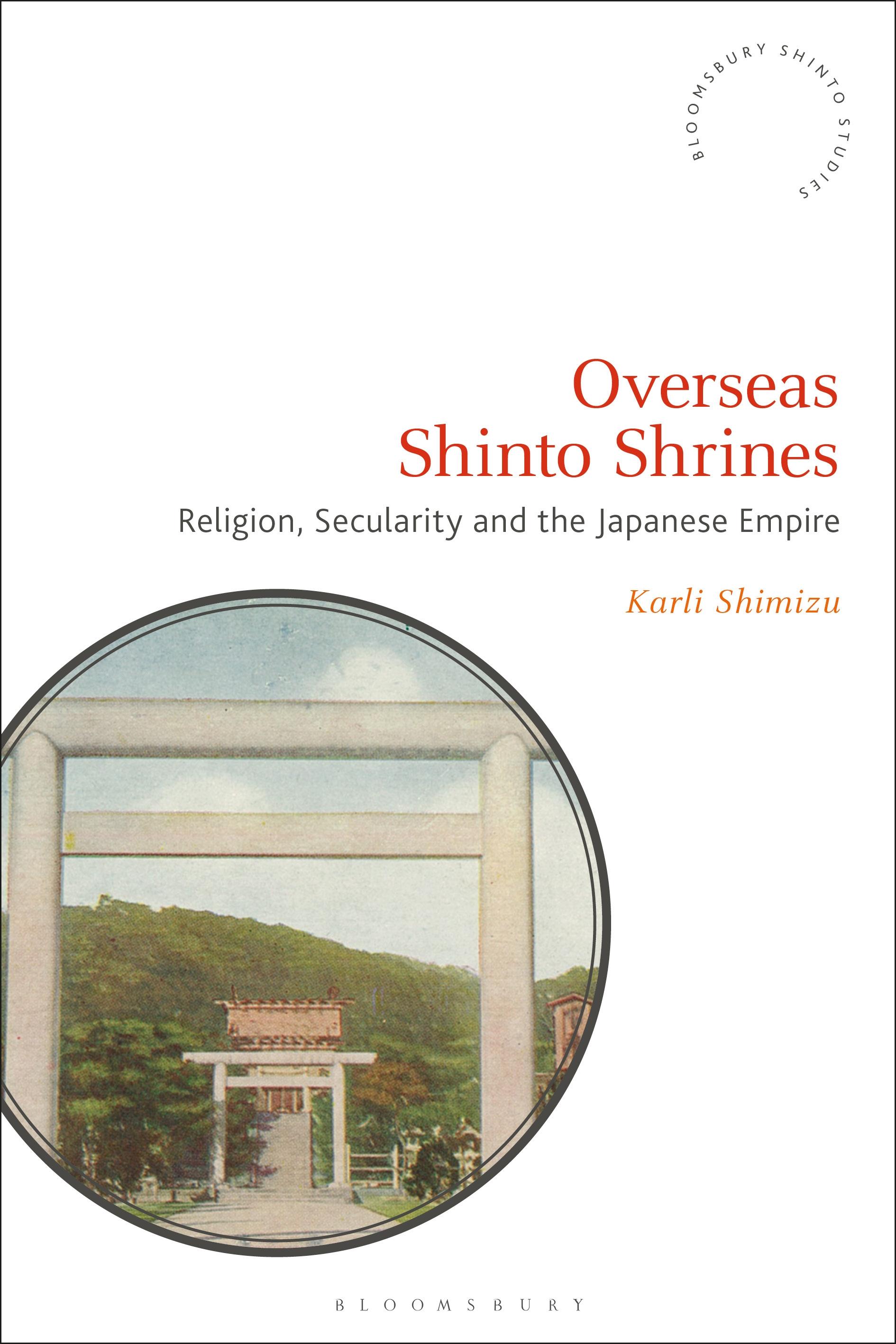
Through extensive use of primary resources and fieldwork, this detailed study examines overseas Shinto shrines and their complex role in the colonization and modernization of newly Japanese lands and subjects.
Shinto shrines became one of the most visible symbols of Japanese imperialism in the early 20th century. From 1868 to 1945, shrines were constructed by both the government and Japanese migrants across the Asia-Pacific region, from Sakhalin to Taiwan, and from China to the Americas. Drawing on theories about the constructed nature of the modern categories of 'religion' and the 'secular', this book argues that modern Shinto shrines were largely conceived and treated as secular sites within a newly invented Japanese secularism, and that they played an important role in communicating changed conceptions of space, time and ethics in imperial subjects.
Providing an example of the invention of a non-Western secularity, this book contributes to our understanding of the relationship between religion, secularism and the construction of the modern state.
Shinto shrines became one of the most visible symbols of Japanese imperialism in the early 20th century. From 1868 to 1945, shrines were constructed by both the government and Japanese migrants across the Asia-Pacific region, from Sakhalin to Taiwan, and from China to the Americas. Drawing on theories about the constructed nature of the modern categories of 'religion' and the 'secular', this book argues that modern Shinto shrines were largely conceived and treated as secular sites within a newly invented Japanese secularism, and that they played an important role in communicating changed conceptions of space, time and ethics in imperial subjects.
Providing an example of the invention of a non-Western secularity, this book contributes to our understanding of the relationship between religion, secularism and the construction of the modern state.
Betaal eenvoudig met kaart, Klarna, Apple Pay of Google Pay. Niet tevreden? Je hebt altijd 14 dagen bedenktijd. Lees meer in onze voorwaarden. Heb je vragen, mail ons dan via hello@memmo.org.
Memmo maakt studeren makkelijker – waar je ook bent ter wereld. Wij brengen je cursusboeken en slimme studietools samen op één plek: samenvattingen, quizzen, podcasts en flashcards. En Ted, je studievriend die antwoord geeft op alles wat je je afvraagt. Meer dan 50.000 studenten studeren hier al – gebouwd om je sneller te laten leren en minder stress te geven.