
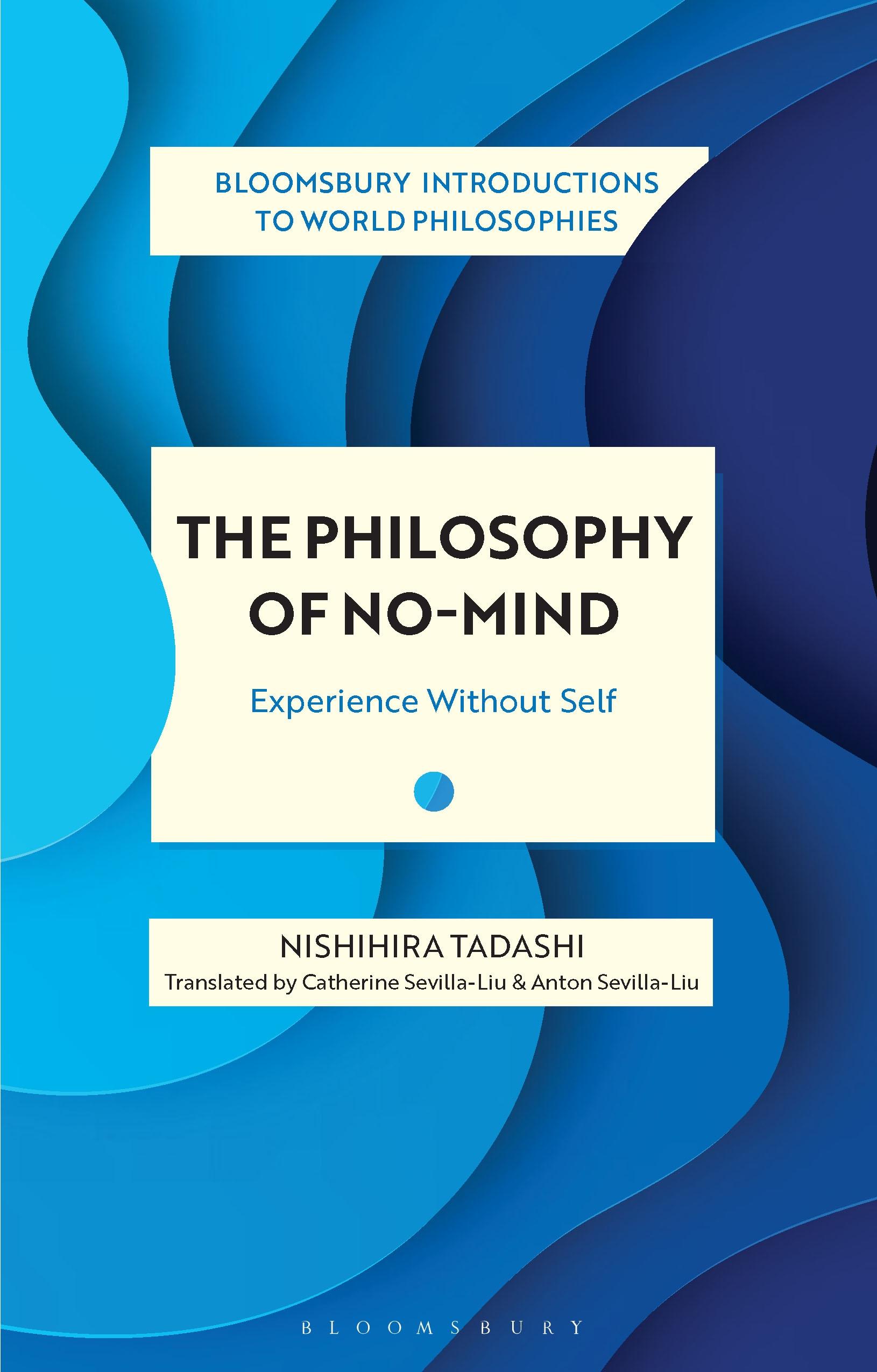
Nishihira Tadashi, one of Japan's leading philosophers, introduces the deeply experiential philosophy of no-mind (mushin). In everyday Japanese, mushin is when one loses oneself in the reality of the present and becomes one with it, resulting in one's best performance. However, behind this everyday use is a concept that touches the core of Japanese spirituality.
This book explores no-mind in its dynamic complexity. It is both the letting go of the calculations of mind and at the same time the arising of a vibrant consciousness in unity with reality. This gives rise to various tensions: Is it about negating or affirming self? Is stillness or activity? How does it relate with social ethics, or religious transcendence? And what is stopping no-mind from descending into mere mindlessness?
These tensional facets are explored through philosophy and history of thought in Japan, from pre-Buddhist Japanese thought, to Zen Buddhism in D.T. Suzuki and Toshihiko Izutsu, to swordsmanship and Noh theater. These historical approaches are brought to the here-and-now, dialoguing with psychology, ethics, and the experiences of everyday life, and ending with two preliminary practical explorations-What does it mean to care for another and to educate from the point of view of no-mind?
This book explores no-mind in its dynamic complexity. It is both the letting go of the calculations of mind and at the same time the arising of a vibrant consciousness in unity with reality. This gives rise to various tensions: Is it about negating or affirming self? Is stillness or activity? How does it relate with social ethics, or religious transcendence? And what is stopping no-mind from descending into mere mindlessness?
These tensional facets are explored through philosophy and history of thought in Japan, from pre-Buddhist Japanese thought, to Zen Buddhism in D.T. Suzuki and Toshihiko Izutsu, to swordsmanship and Noh theater. These historical approaches are brought to the here-and-now, dialoguing with psychology, ethics, and the experiences of everyday life, and ending with two preliminary practical explorations-What does it mean to care for another and to educate from the point of view of no-mind?
Betaal eenvoudig met kaart, Klarna, Apple Pay of Google Pay. Niet tevreden? Je hebt altijd 14 dagen bedenktijd. Lees meer in onze voorwaarden. Heb je vragen, mail ons dan via hello@memmo.org.
Memmo maakt studeren makkelijker – waar je ook bent ter wereld. Wij brengen je cursusboeken en slimme studietools samen op één plek: samenvattingen, quizzen, podcasts en flashcards. En Ted, je studievriend die antwoord geeft op alles wat je je afvraagt. Meer dan 50.000 studenten studeren hier al – gebouwd om je sneller te laten leren en minder stress te geven.