
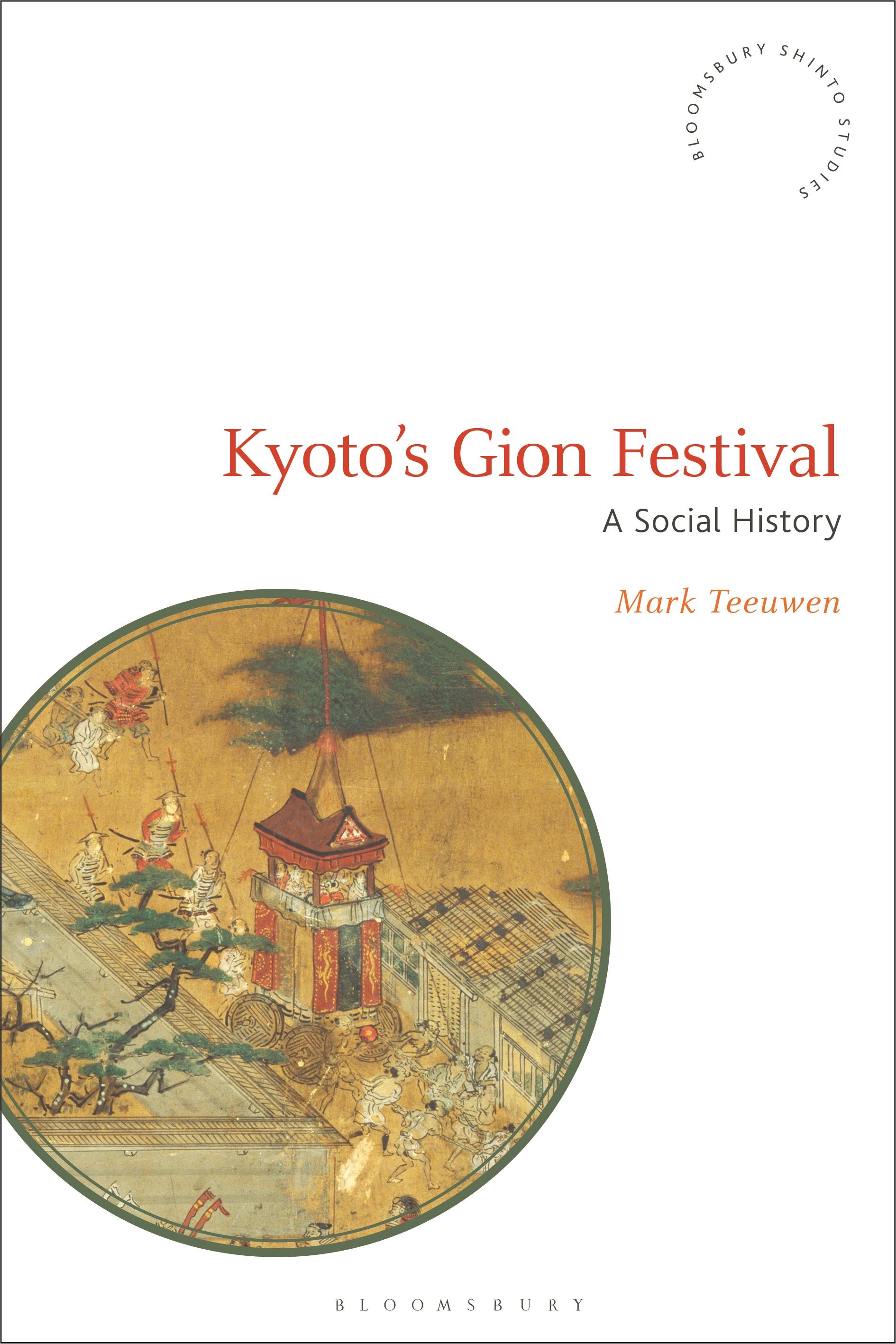
This book focuses on the long history of what is arguably the most prestigious and influential festival in Japan – Kyoto's Gion festival. It explores this history from the festival's origins in the late 10th century to its post-war revival, drawing on Japanese historical studies and archival materials as well as the author's participant observation fieldwork.
Exploring the social and political networks that have kept this festival alive for over a millennium, this book reveals how it has endured multiple reinventions. In particular, it identifies how at each historical juncture, different groups have found new purposes for the festival and adapted this costly enterprise to suit their own ends. The history of this festival not only sheds light on the development of Japanese festival culture as a whole, but also offers a window on Kyoto's history and provides a testing ground for recent festival theory.
Exploring the social and political networks that have kept this festival alive for over a millennium, this book reveals how it has endured multiple reinventions. In particular, it identifies how at each historical juncture, different groups have found new purposes for the festival and adapted this costly enterprise to suit their own ends. The history of this festival not only sheds light on the development of Japanese festival culture as a whole, but also offers a window on Kyoto's history and provides a testing ground for recent festival theory.
Betaal eenvoudig met kaart, Klarna, Apple Pay of Google Pay. Niet tevreden? Je hebt altijd 14 dagen bedenktijd. Lees meer in onze voorwaarden. Heb je vragen, mail ons dan via hello@memmo.org.
Memmo maakt studeren makkelijker – waar je ook bent ter wereld. Wij brengen je cursusboeken en slimme studietools samen op één plek: samenvattingen, quizzen, podcasts en flashcards. En Ted, je studievriend die antwoord geeft op alles wat je je afvraagt. Meer dan 50.000 studenten studeren hier al – gebouwd om je sneller te laten leren en minder stress te geven.