
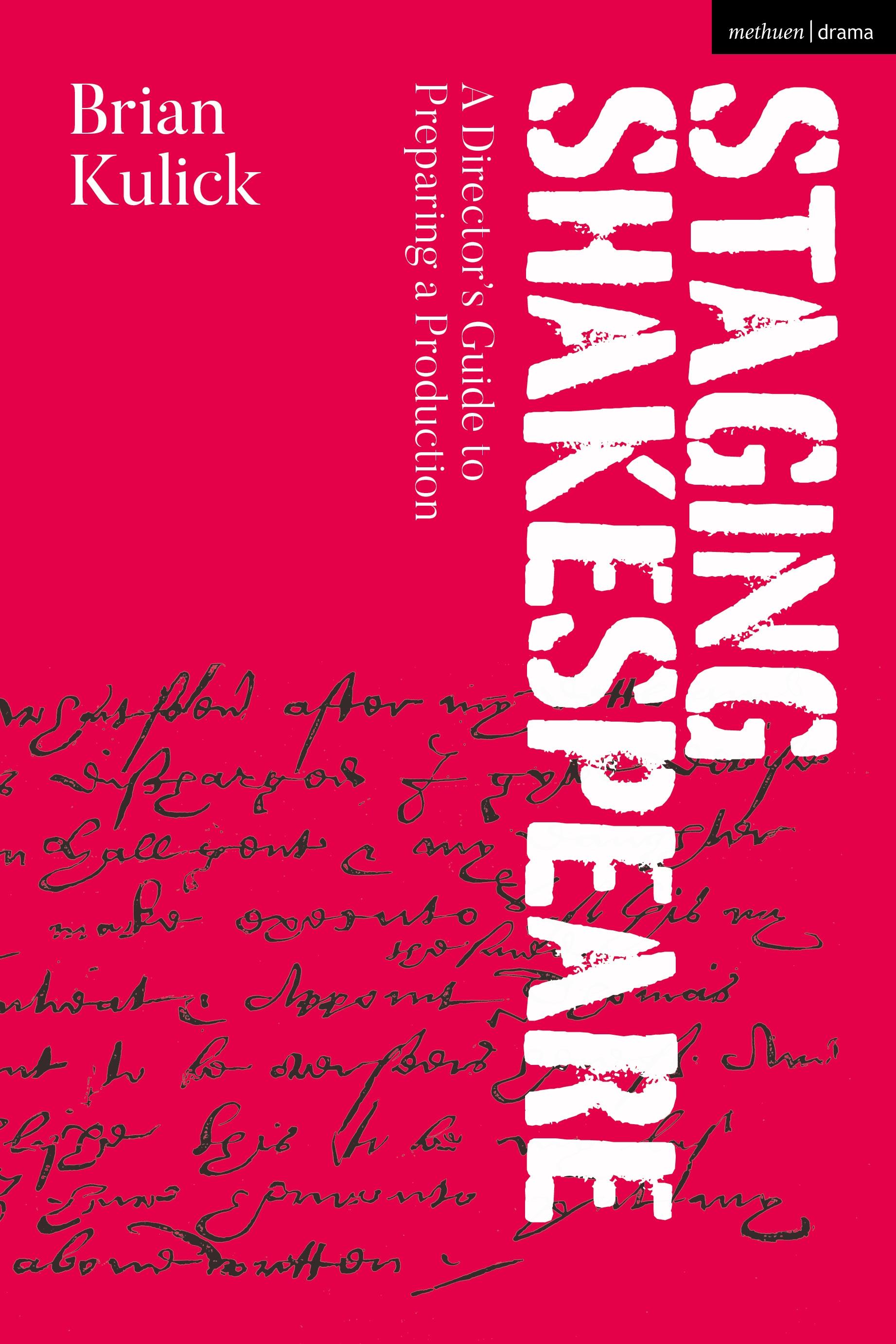
This book begins with a phone call. You answer it and learn that you got the job. Several months from now you're going to stage a Shakespeare play. Now … what do you do? I mean, what do you do after that initial burst of adrenalin has passed through your body and you realize you haven't a clue as to what the play is really about, or what you might want to do with it? How exactly do you prepare for such an equally wonderful and daunting task?
This is the central question of this book. It grows out of decades of preparing for Shakespeare productions and watching others do the same. It will save you some of the panic, wasted time, and fruitless paths experienced. It guides you through the crucial period of preparation and helps focus on such issues as:
· What Shakespeare's life, work, and world can tell us
· What patterns to look for in the text
· What techniques might help unpack Shakespeare's verse
· What approaches might unlock certain hidden meanings
· What literary lenses might bring things into sharper focus
· What secondary sources might lead to a broader contextual understanding
· What thought experiments might aid in visualizing the play
Ultimately, this book draws back the curtain and shows how the antique machinery of Shakespeare's theatre works. The imaginative time span begins from the moment you learn that on such and such date you will begin rehearsing such and such Shakespeare play. Our narrative clock starts ticking the moment you put down the phone and stops when you arrive at the rehearsal hall and begin your first table read. So much of what will be the success or failure of a director's project rests on this work that is done before rehearsals even begin.
This is the central question of this book. It grows out of decades of preparing for Shakespeare productions and watching others do the same. It will save you some of the panic, wasted time, and fruitless paths experienced. It guides you through the crucial period of preparation and helps focus on such issues as:
· What Shakespeare's life, work, and world can tell us
· What patterns to look for in the text
· What techniques might help unpack Shakespeare's verse
· What approaches might unlock certain hidden meanings
· What literary lenses might bring things into sharper focus
· What secondary sources might lead to a broader contextual understanding
· What thought experiments might aid in visualizing the play
Ultimately, this book draws back the curtain and shows how the antique machinery of Shakespeare's theatre works. The imaginative time span begins from the moment you learn that on such and such date you will begin rehearsing such and such Shakespeare play. Our narrative clock starts ticking the moment you put down the phone and stops when you arrive at the rehearsal hall and begin your first table read. So much of what will be the success or failure of a director's project rests on this work that is done before rehearsals even begin.
Pagina's: 232
Categorie: Drama, Teater & Scenkonst
e-ISBN: 9781350201057
Verzendgewicht: 1.2 kg
Verzending binnen: 1-2 dagen
Betaal eenvoudig met kaart, Klarna, Apple Pay of Google Pay. Niet tevreden? Je hebt altijd 14 dagen bedenktijd. Lees meer in onze voorwaarden. Heb je vragen, mail ons dan via hello@memmo.org.
Memmo maakt studeren makkelijker – waar je ook bent ter wereld. Wij brengen je cursusboeken en slimme studietools samen op één plek: samenvattingen, quizzen, podcasts en flashcards. En Ted, je studievriend die antwoord geeft op alles wat je je afvraagt. Meer dan 50.000 studenten studeren hier al – gebouwd om je sneller te laten leren en minder stress te geven.