
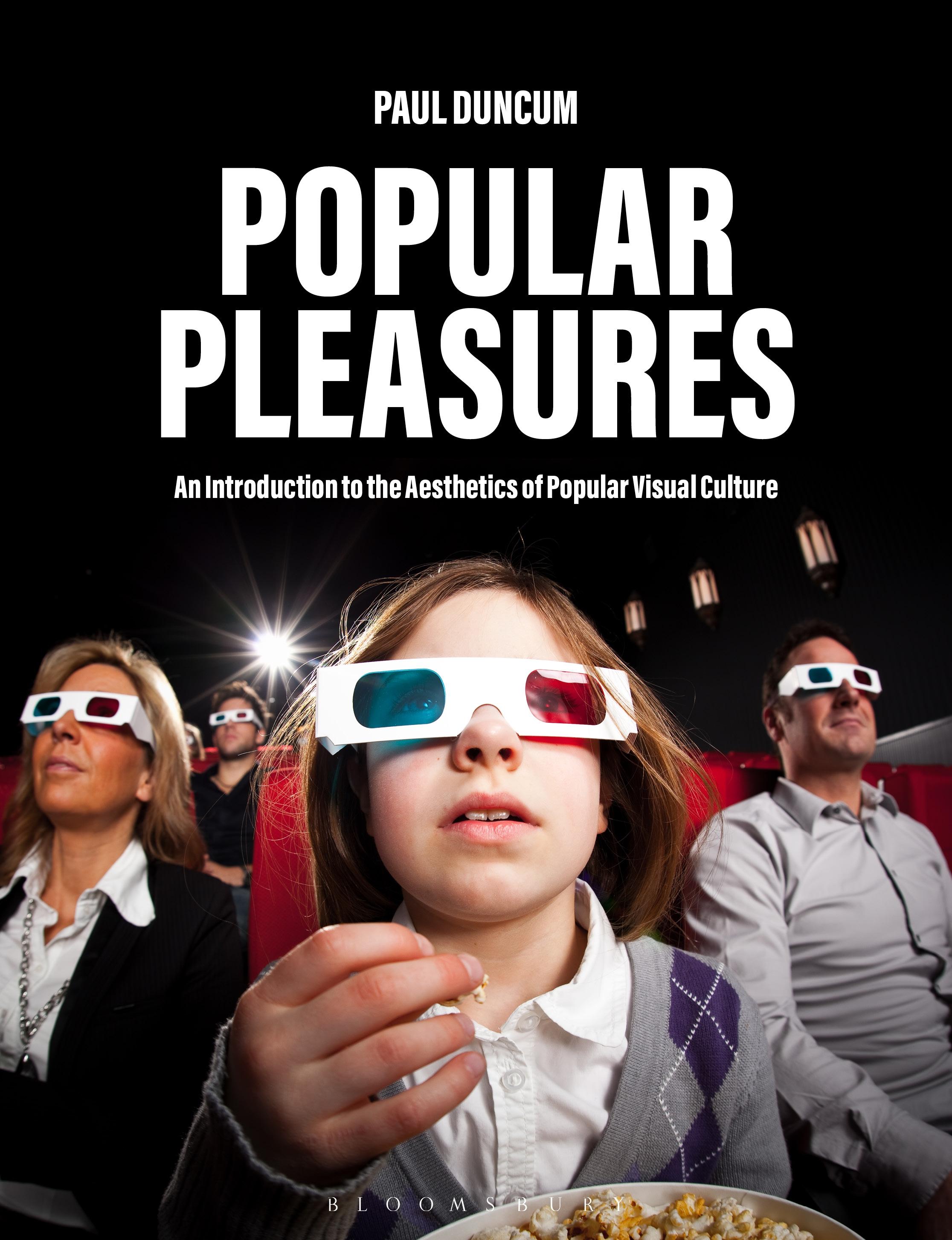
Today's many popular aesthetic pleasures have a very long history. Paul Duncum considers the historical critical discourses, and socio-political issues raised by aesthetic pleasures in fifteen thematic chapters. Using illustrative examples from the past, present, and across cultures, he challenges the idea of any decline of cultural standards and argues that no grounds exist for cultural pessimism. Refusing to condemn popular culture on the basis of taste, he reserves critique for the socio-political ideologies aesthetics invariably serve.
Art history, film, cultural studies, and philosophical aesthetics are each employed to show that the sensory/emotional lures of today's popular culture are mostly identical to those of premodern fine art. They include the violent, the horrific, the sentimental, the exotic, the erotic, and the humorous. Some of these pleasures derive from our evolutionary biology; they are all an important part of what it means to be human, and central to understanding contemporary society. Examples are wide-ranging, including British seaside postcards, Disney films, Nazi propaganda, burlesque, modern advertising, as well as many exemplars of fine art.
The book reveals fresh insights for all those studying visual culture, art history, aesthetics, media studies, and media and art education.
Art history, film, cultural studies, and philosophical aesthetics are each employed to show that the sensory/emotional lures of today's popular culture are mostly identical to those of premodern fine art. They include the violent, the horrific, the sentimental, the exotic, the erotic, and the humorous. Some of these pleasures derive from our evolutionary biology; they are all an important part of what it means to be human, and central to understanding contemporary society. Examples are wide-ranging, including British seaside postcards, Disney films, Nazi propaganda, burlesque, modern advertising, as well as many exemplars of fine art.
The book reveals fresh insights for all those studying visual culture, art history, aesthetics, media studies, and media and art education.
Betaal eenvoudig met kaart, Klarna, Apple Pay of Google Pay. Niet tevreden? Je hebt altijd 14 dagen bedenktijd. Lees meer in onze voorwaarden. Heb je vragen, mail ons dan via hello@memmo.org.
Memmo maakt studeren makkelijker – waar je ook bent ter wereld. Wij brengen je cursusboeken en slimme studietools samen op één plek: samenvattingen, quizzen, podcasts en flashcards. En Ted, je studievriend die antwoord geeft op alles wat je je afvraagt. Meer dan 50.000 studenten studeren hier al – gebouwd om je sneller te laten leren en minder stress te geven.