
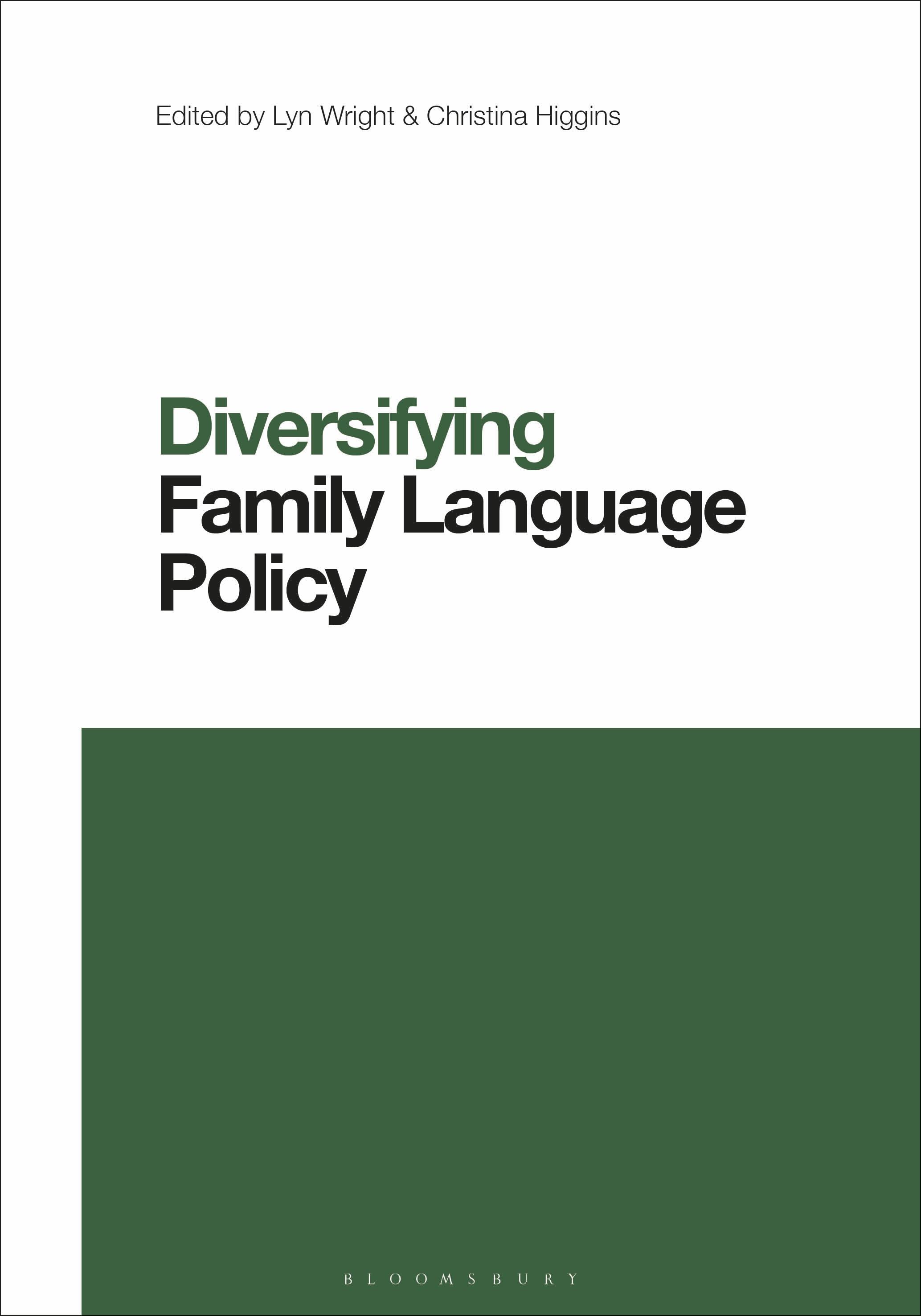
An increasingly important field of research within multilingualism and sociolinguistics, Family Language Policy (FLP) investigates the explicit and overt planning of language use within the home and among family members. However the diverse range of different family units and contexts around the globe necessitates a similarly diverse range of research perspectives which are not yet represented within the field.
Tackling this problem head on, this volume expands the scope of families in FLP research. Bringing together contributors and case studies from every continent, this essential reference broadens lines of inquiry by investigating language practices and ideologies in previously under-researched families. Seeking to better reflect contemporary influences on FLP processes, chapters use innovative methodologies, including digital ethnographies and autoethnography, to explore diverse family configurations (adoptive, LGBTQ+, and single parent), modalities (digital communication and signed languages), and speakers and contexts (adult learners, Indigenous contexts, and new speakers).
Bringing to light the dynamic, fluid nature of family and kinship as well as the important role that multilingualism plays in family members' negotiation of power, agency, and identity construction, Diversifying Family Language Policy is a state-of-the-art reference to contemporary theoretical, methodological and ethical advances in the field of family language policy.
Tackling this problem head on, this volume expands the scope of families in FLP research. Bringing together contributors and case studies from every continent, this essential reference broadens lines of inquiry by investigating language practices and ideologies in previously under-researched families. Seeking to better reflect contemporary influences on FLP processes, chapters use innovative methodologies, including digital ethnographies and autoethnography, to explore diverse family configurations (adoptive, LGBTQ+, and single parent), modalities (digital communication and signed languages), and speakers and contexts (adult learners, Indigenous contexts, and new speakers).
Bringing to light the dynamic, fluid nature of family and kinship as well as the important role that multilingualism plays in family members' negotiation of power, agency, and identity construction, Diversifying Family Language Policy is a state-of-the-art reference to contemporary theoretical, methodological and ethical advances in the field of family language policy.
Betaal eenvoudig met kaart, Klarna, Apple Pay of Google Pay. Niet tevreden? Je hebt altijd 14 dagen bedenktijd. Lees meer in onze voorwaarden. Heb je vragen, mail ons dan via hello@memmo.org.
Memmo maakt studeren makkelijker – waar je ook bent ter wereld. Wij brengen je cursusboeken en slimme studietools samen op één plek: samenvattingen, quizzen, podcasts en flashcards. En Ted, je studievriend die antwoord geeft op alles wat je je afvraagt. Meer dan 50.000 studenten studeren hier al – gebouwd om je sneller te laten leren en minder stress te geven.