
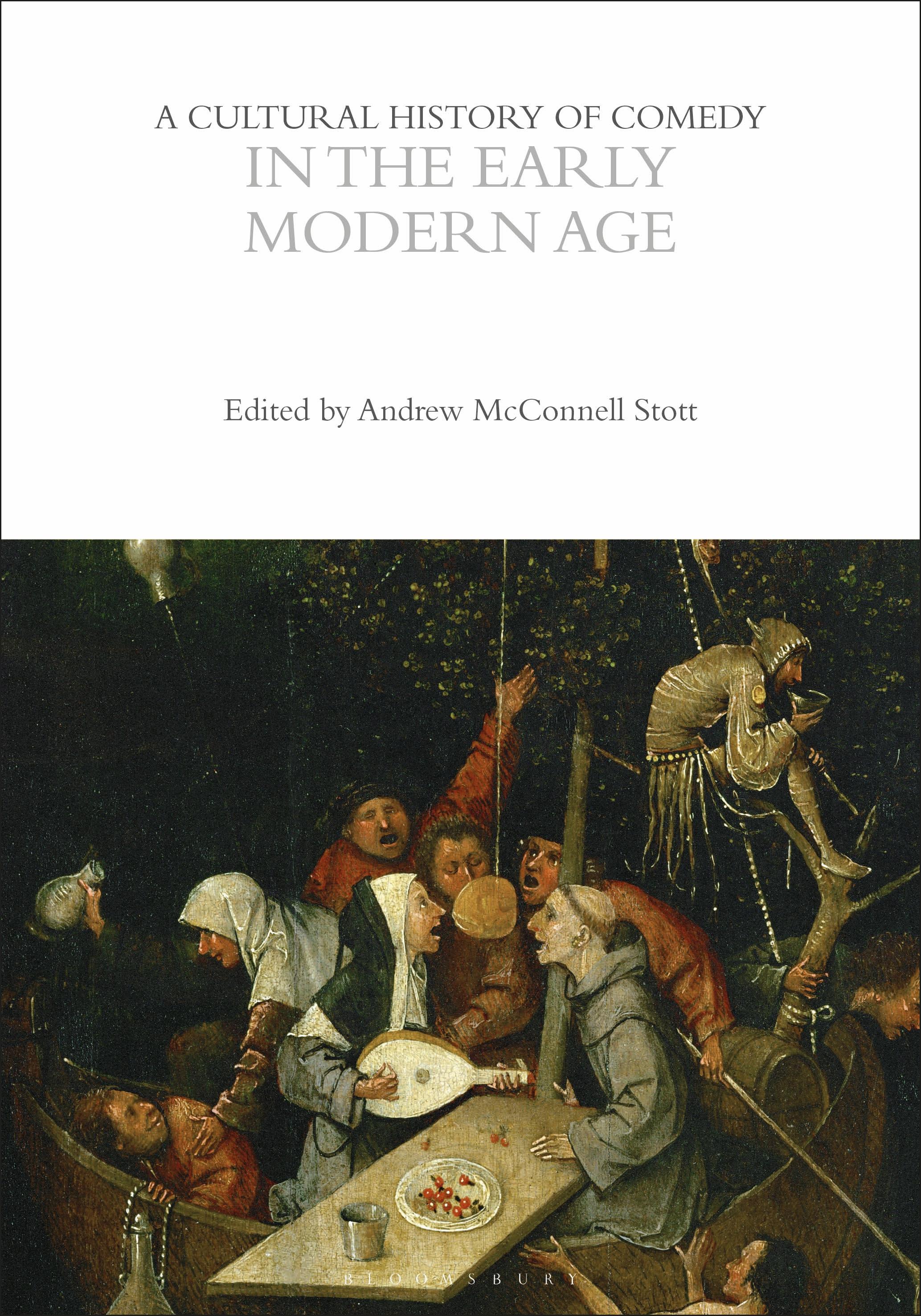
Drawing together scholars with a wide range of expertise across the early modern period, this volume explores the rich field of early modern comedy in all its variety. It argues that early modern comedy was shaped by a series of cultural transformations that included the emergence of the entertainment industry, the rise of the professional comedian, extended commentaries on the nature of comedy and laughter, and the development of printed jestbooks. It was the prime site from which to satirize a rapidly-changing world and explore the formation of new social relations around questions of gender, authority, identity, and commerce, amongst others. Yet even as it reacted to the novel and the new, comedy also served as a receptacle for the celebration of older social rituals such as May games and seasonal festivities. The result was a complex and contested mix of texts, performances, and concepts providing a deep tradition that abides to this day.
Each chapter takes a different theme as its focus: form, theory, praxis, identities, the body, politics and power, laughter and ethics. These eight different approaches to early modern comedy add up to an extensive, synoptic coverage of the subject.
Each chapter takes a different theme as its focus: form, theory, praxis, identities, the body, politics and power, laughter and ethics. These eight different approaches to early modern comedy add up to an extensive, synoptic coverage of the subject.
Betaal eenvoudig met kaart, Klarna, Apple Pay of Google Pay. Niet tevreden? Je hebt altijd 14 dagen bedenktijd. Lees meer in onze voorwaarden. Heb je vragen, mail ons dan via hello@memmo.org.
Memmo maakt studeren makkelijker – waar je ook bent ter wereld. Wij brengen je cursusboeken en slimme studietools samen op één plek: samenvattingen, quizzen, podcasts en flashcards. En Ted, je studievriend die antwoord geeft op alles wat je je afvraagt. Meer dan 50.000 studenten studeren hier al – gebouwd om je sneller te laten leren en minder stress te geven.