
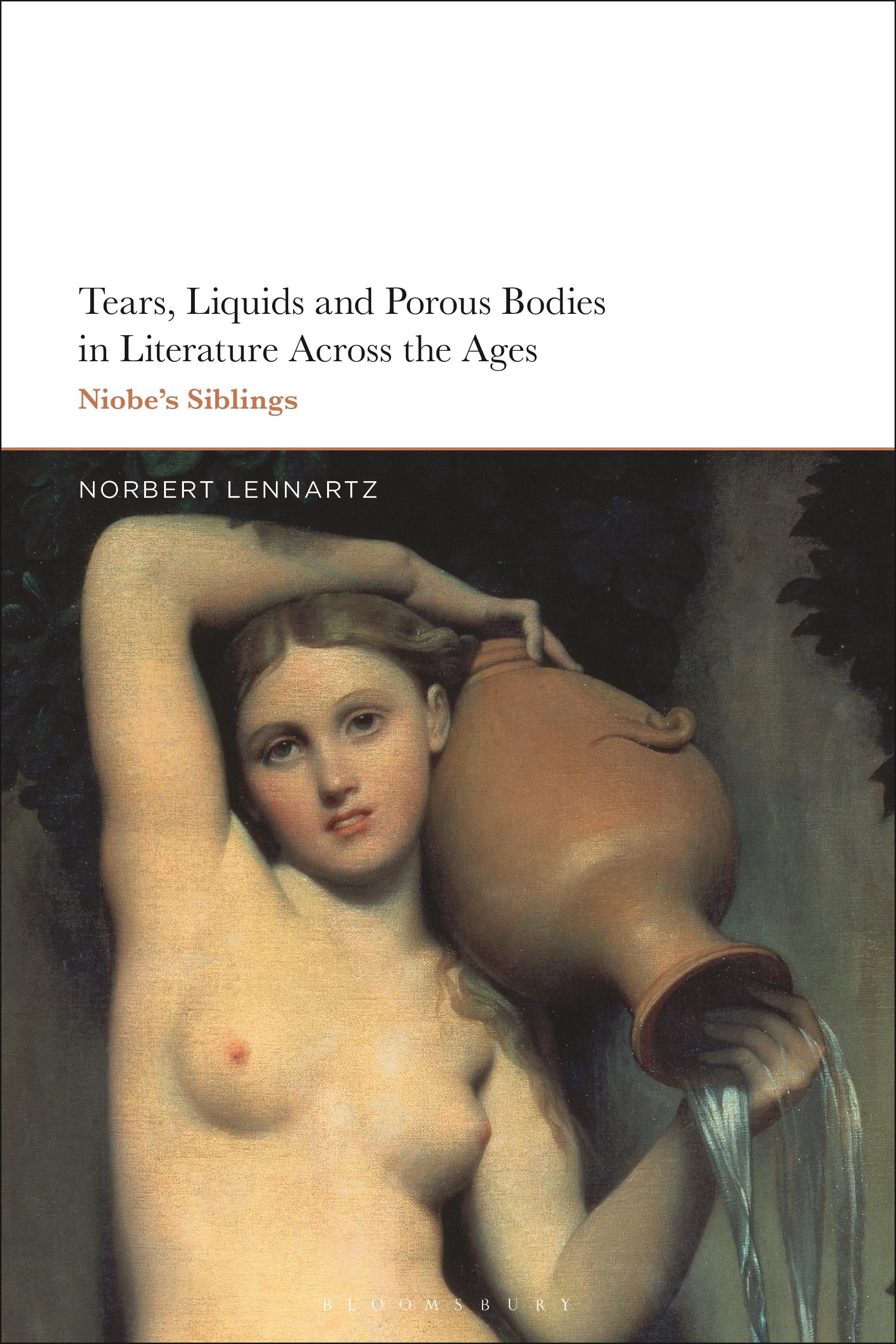
Taking in works from writers as diverse as William Shakespeare, William Wordsworth, Charlotte Brontë, John Keats, James Joyce and D.H. Lawrence, this book spans approximately 300 years and unpacks how bodily liquidity, porosity and petrification recur as a pattern and underlie the chequered history of the body and genders in literature.
Lennartz examines the precarious relationship between porosity and its opposite – closure, containment and stoniness – and explores literary history as a meandering narrative in which 'female' porosity and 'manly' stoniness clash, showing how different societies and epochs respond to and engage with bodily porosity.
This book considers the ways that this relationship is constantly renegotiated and where effusive and 'feminine' genres, such as 'sloppy' letters and streams of consciousness, are pitted against stony and astringent forms of masculinity, like epitaphs, sonnets and the Bildungsroman.
Lennartz examines the precarious relationship between porosity and its opposite – closure, containment and stoniness – and explores literary history as a meandering narrative in which 'female' porosity and 'manly' stoniness clash, showing how different societies and epochs respond to and engage with bodily porosity.
This book considers the ways that this relationship is constantly renegotiated and where effusive and 'feminine' genres, such as 'sloppy' letters and streams of consciousness, are pitted against stony and astringent forms of masculinity, like epitaphs, sonnets and the Bildungsroman.
Betaal eenvoudig met kaart, Klarna, Apple Pay of Google Pay. Niet tevreden? Je hebt altijd 14 dagen bedenktijd. Lees meer in onze voorwaarden. Heb je vragen, mail ons dan via hello@memmo.org.
Memmo maakt studeren makkelijker – waar je ook bent ter wereld. Wij brengen je cursusboeken en slimme studietools samen op één plek: samenvattingen, quizzen, podcasts en flashcards. En Ted, je studievriend die antwoord geeft op alles wat je je afvraagt. Meer dan 50.000 studenten studeren hier al – gebouwd om je sneller te laten leren en minder stress te geven.