
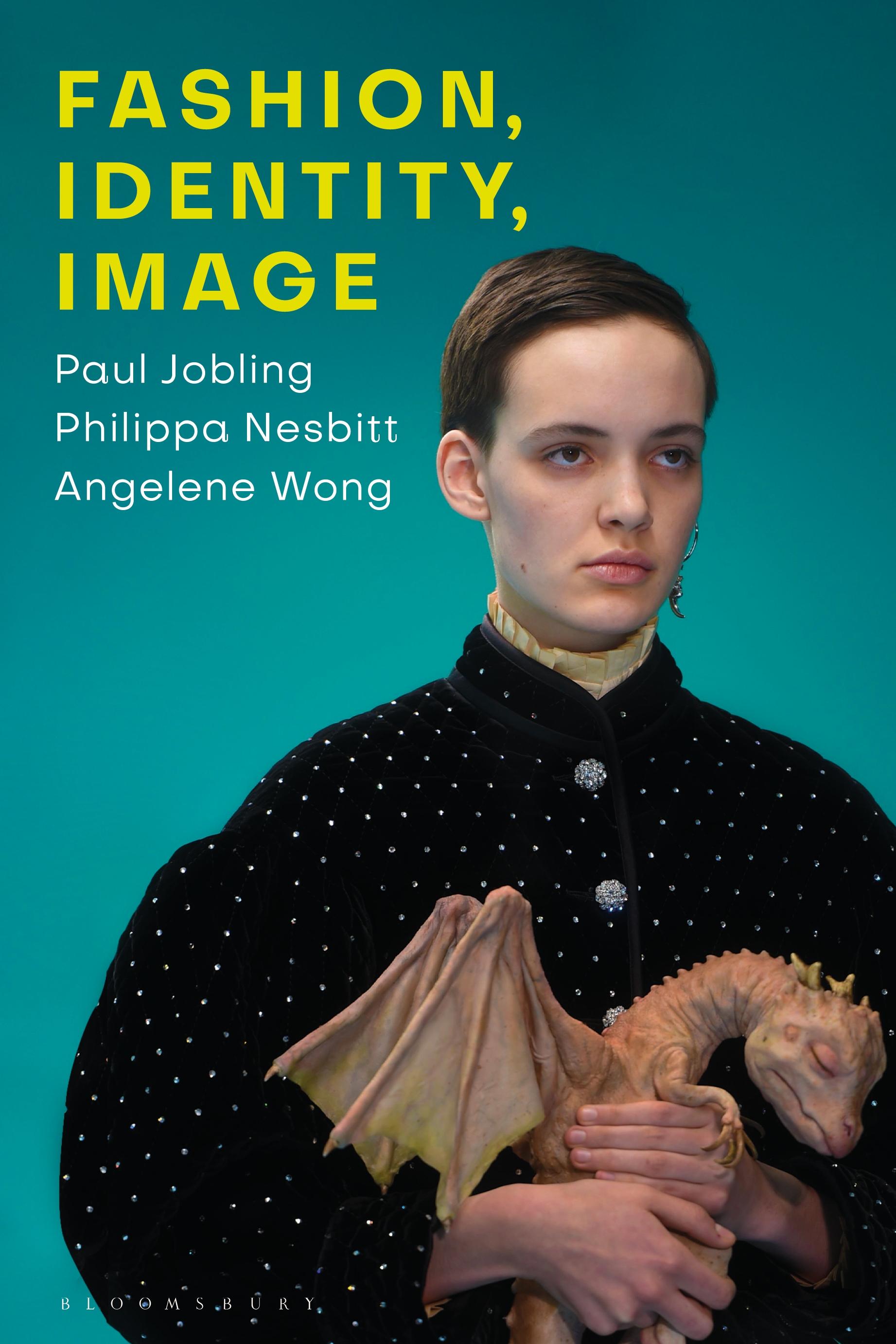
How has the fashion industry responded to turn-of-the-millennium non-binary identities? Do they have a supportive or exploitative relationship with queer, trans and ageing subjects? Fashion, Identity, Image unpacks these questions and many more in relation to clothing and representation, identity and body politics in British, European and American culture between 1990 and 2020.
Jobling, Nesbitt and Wong explore issues of intersectionality and inclusivity through groundbreaking shows, including Maria Grazia Chiuri's 'We Should All Be Feminists' catwalk show for Dior (Spring-Summer 2017), Alexander McQueen's 'The Widows of Culloden' collection (Fall-Winter 2006), and the role of transgender models such as Oslo Grace since 2015. Looking to the future of our relationship with fashion, there's also an investigation of the android as a redemptive figure in Alessandro Michele's cross-cultural cyborg collection for Gucci (Autumn-Winter 2018/2019) and the impact of the ageing population with analysis of age and memory in work such as Magali Nougarède's Crossing the Line (2002), and pleasure and morality in fashion publicity since the 1990s for the likes of Calvin Klein, D&G and American Apparel.
Jobling, Nesbitt and Wong explore issues of intersectionality and inclusivity through groundbreaking shows, including Maria Grazia Chiuri's 'We Should All Be Feminists' catwalk show for Dior (Spring-Summer 2017), Alexander McQueen's 'The Widows of Culloden' collection (Fall-Winter 2006), and the role of transgender models such as Oslo Grace since 2015. Looking to the future of our relationship with fashion, there's also an investigation of the android as a redemptive figure in Alessandro Michele's cross-cultural cyborg collection for Gucci (Autumn-Winter 2018/2019) and the impact of the ageing population with analysis of age and memory in work such as Magali Nougarède's Crossing the Line (2002), and pleasure and morality in fashion publicity since the 1990s for the likes of Calvin Klein, D&G and American Apparel.
Betaal eenvoudig met kaart, Klarna, Apple Pay of Google Pay. Niet tevreden? Je hebt altijd 14 dagen bedenktijd. Lees meer in onze voorwaarden. Heb je vragen, mail ons dan via hello@memmo.org.
Memmo maakt studeren makkelijker – waar je ook bent ter wereld. Wij brengen je cursusboeken en slimme studietools samen op één plek: samenvattingen, quizzen, podcasts en flashcards. En Ted, je studievriend die antwoord geeft op alles wat je je afvraagt. Meer dan 50.000 studenten studeren hier al – gebouwd om je sneller te laten leren en minder stress te geven.