
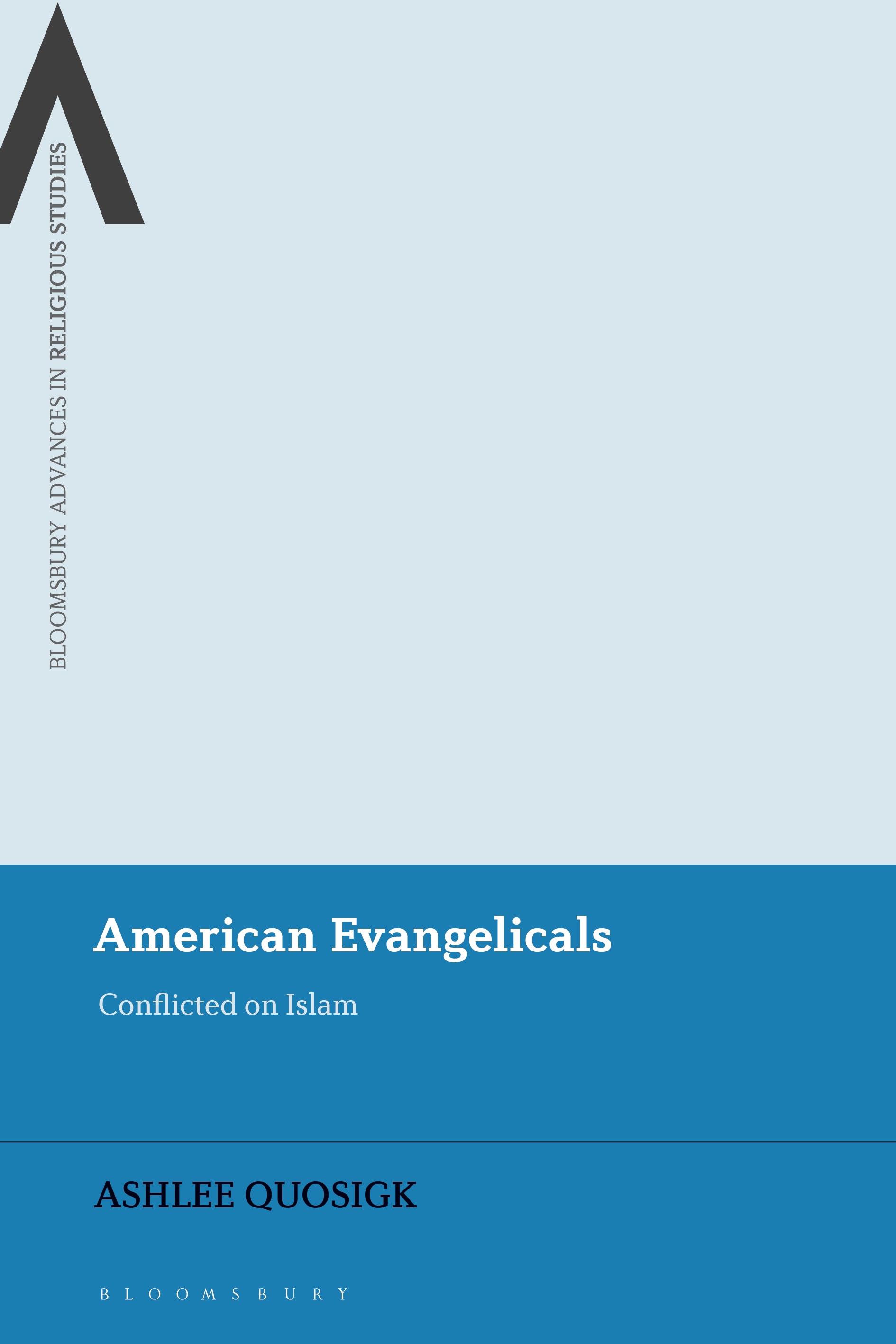
Ashlee Quosigk explores the diversity of opinions within the largest religious group in the US – Evangelical Christians – on the topic of Islam.
Evangelicals are often characterized as monolithically antagonistic toward Muslims. This book challenges that stereotype, exposing the sharp divides that exist among Evangelicals on Islam and examines why there is division. Drawing on qualitative research on two congregations in the US, as well as on popular Evangelical leaders, this book details the surprisingly diverse views Evangelicals hold on Muhammad, the Qur'an, interfaith dialogue, syncretism, and politics. This research is invaluable for providing a better understanding of what Evangelicals think, and why.
This book also offers insight into why conflict exists and why Evangelicals differ, while advancing culture war theory and qualitative methods. Specifically, it explores differences in moral authority (assumptions that guide one's perceptions of the world) among Evangelicals and explains how these differences influence their views on Islam. The findings are relevant to religious relations worldwide as everyone appeals to moral authority, irrespective of their geographic location.
Evangelicals are often characterized as monolithically antagonistic toward Muslims. This book challenges that stereotype, exposing the sharp divides that exist among Evangelicals on Islam and examines why there is division. Drawing on qualitative research on two congregations in the US, as well as on popular Evangelical leaders, this book details the surprisingly diverse views Evangelicals hold on Muhammad, the Qur'an, interfaith dialogue, syncretism, and politics. This research is invaluable for providing a better understanding of what Evangelicals think, and why.
This book also offers insight into why conflict exists and why Evangelicals differ, while advancing culture war theory and qualitative methods. Specifically, it explores differences in moral authority (assumptions that guide one's perceptions of the world) among Evangelicals and explains how these differences influence their views on Islam. The findings are relevant to religious relations worldwide as everyone appeals to moral authority, irrespective of their geographic location.
Pagina's: 256
Categorie: Religion & Teologi
e-ISBN: 9781350175600
Verzendgewicht: 1.2 kg
Verzending binnen: 1-2 dagen
Betaal eenvoudig met kaart, Klarna, Apple Pay of Google Pay. Niet tevreden? Je hebt altijd 14 dagen bedenktijd. Lees meer in onze voorwaarden. Heb je vragen, mail ons dan via hello@memmo.org.
Memmo maakt studeren makkelijker – waar je ook bent ter wereld. Wij brengen je cursusboeken en slimme studietools samen op één plek: samenvattingen, quizzen, podcasts en flashcards. En Ted, je studievriend die antwoord geeft op alles wat je je afvraagt. Meer dan 50.000 studenten studeren hier al – gebouwd om je sneller te laten leren en minder stress te geven.