
How have radical print cultures fostered and preserved queer lived experience from the 1960s to the present? What alternative stories about queer life across Europe can visual material reveal?
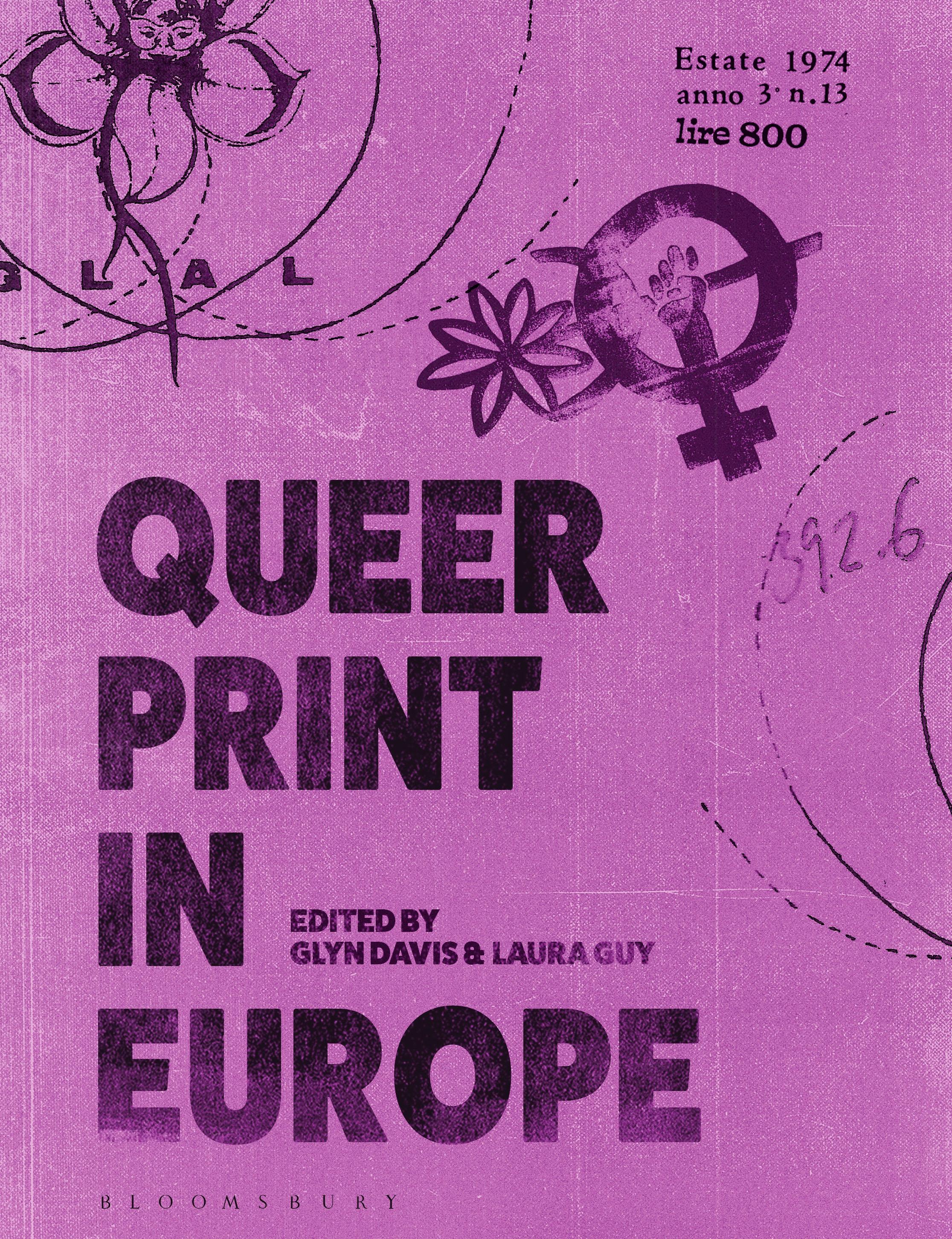
Queer Print in Europe is the first book devoted to the exploration of queer print cultures in Europe, following the birth of an international gay rights movement in the late 1960s. By unearthing these ephemeral paper documents from archives and personal collections, including materials that have been out of circulation since they were first distributed, this book examines how the production and dissemination of queer print intersected with the emergence of LGBTQ+ activism within specific national contexts. This vital contribution to queer history explores borders and political movements, and the ways in which these materials contributed, through their international circulation, to the creation of a 'post-national' queer community.
Illustrated throughout with examples of manifestos, flyers, posters, zines and other forms of print media, it features interviews with those responsible for making, distributing or archiving queer print, alongside a series of new theoretical essays that set particular publications and the individuals and groups that produced them in context. The book isolates specific instances of queer print media and scrutinises their design aesthetics, identifying both the significant contribution that queer print has made to histories of LGBTQ+ struggle and to the history of print design.
Queer Print in Europe is the first book devoted to the exploration of queer print cultures in Europe, following the birth of an international gay rights movement in the late 1960s. By unearthing these ephemeral paper documents from archives and personal collections, including materials that have been out of circulation since they were first distributed, this book examines how the production and dissemination of queer print intersected with the emergence of LGBTQ+ activism within specific national contexts. This vital contribution to queer history explores borders and political movements, and the ways in which these materials contributed, through their international circulation, to the creation of a 'post-national' queer community.
Illustrated throughout with examples of manifestos, flyers, posters, zines and other forms of print media, it features interviews with those responsible for making, distributing or archiving queer print, alongside a series of new theoretical essays that set particular publications and the individuals and groups that produced them in context. The book isolates specific instances of queer print media and scrutinises their design aesthetics, identifying both the significant contribution that queer print has made to histories of LGBTQ+ struggle and to the history of print design.
Betaal eenvoudig met kaart, Klarna, Apple Pay of Google Pay. Niet tevreden? Je hebt altijd 14 dagen bedenktijd. Lees meer in onze voorwaarden. Heb je vragen, mail ons dan via hello@memmo.org.
Memmo maakt studeren makkelijker – waar je ook bent ter wereld. Wij brengen je cursusboeken en slimme studietools samen op één plek: samenvattingen, quizzen, podcasts en flashcards. En Ted, je studievriend die antwoord geeft op alles wat je je afvraagt. Meer dan 50.000 studenten studeren hier al – gebouwd om je sneller te laten leren en minder stress te geven.