
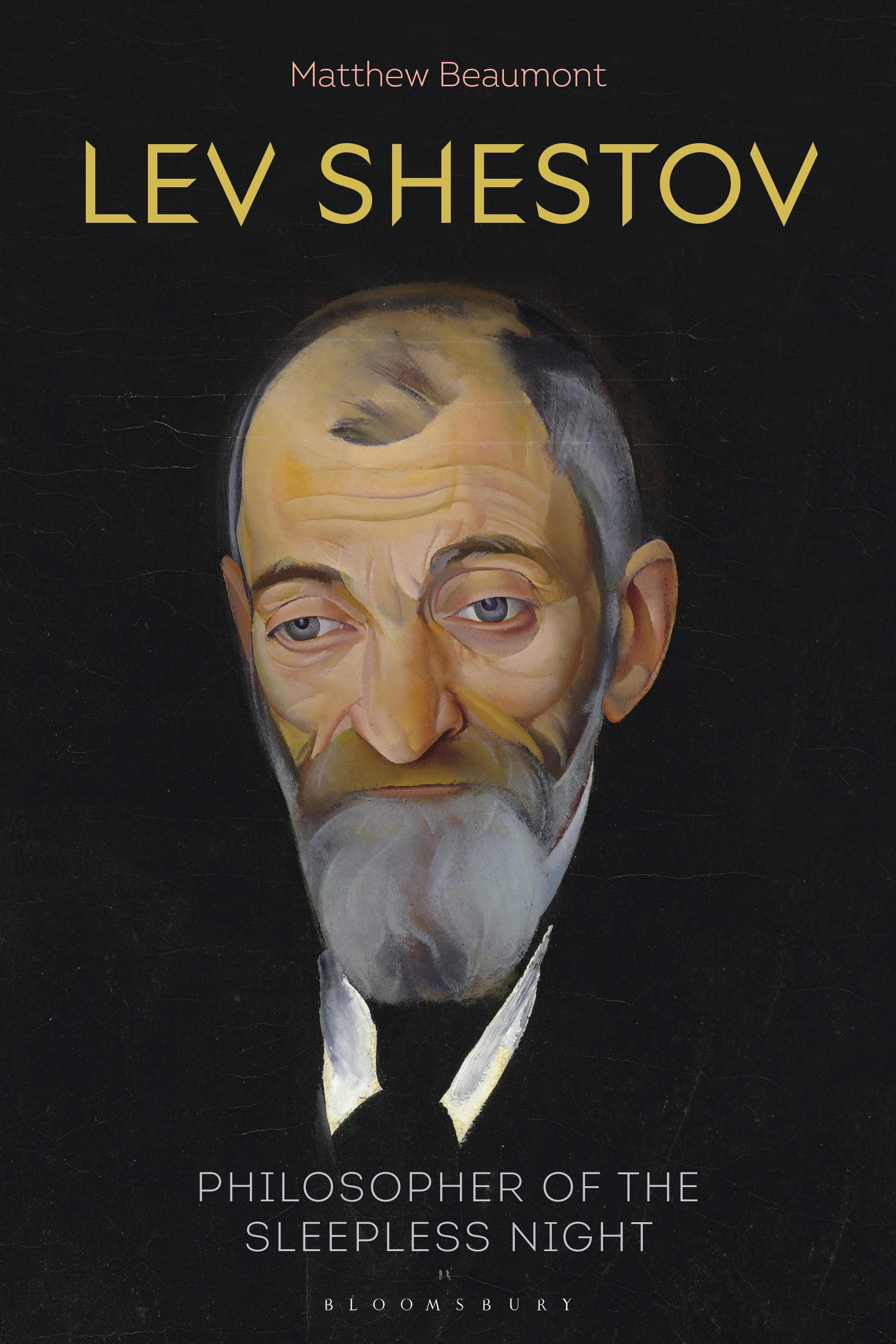
A 2021 Choice Outstanding Academic Title
The Jewish philosopher Lev Shestov (1866-1938) is perhaps the great forgotten thinker of the twentieth century, but one whose revival seems timely and urgent in the twenty-first century. An important influence on Georges Bataille, Albert Camus, Gilles Deleuze and many others, Shestov developed a fascinating anti-Enlightenment philosophy that critiqued the limits of reason and triumphantly affirmed an ethics of hope in the face of hopelessness.
In a wide-ranging reappraisal of his life and thought, which explores his ideas in relation to the history of literature and painting as well as philosophy, Matthew Beaumont restores Shestov to prominence as a thinker for turbulent times. In reconstructing Shestov's thought and asserting its continued relevance, the book's central theme is wakefulness. It argues that for Shestov, escape from the limits of rationalist Enlightenment thought comes from maintaining an insomniac vigilance in the face of the spiritual night to which his century appeared condemned. Shestov's engagement with the image of Christ remaining awake in the Garden of Gethsemane then, is at the core of his inspiring understanding of our ethical responsibilities after the horrors of the twentieth century.
The Jewish philosopher Lev Shestov (1866-1938) is perhaps the great forgotten thinker of the twentieth century, but one whose revival seems timely and urgent in the twenty-first century. An important influence on Georges Bataille, Albert Camus, Gilles Deleuze and many others, Shestov developed a fascinating anti-Enlightenment philosophy that critiqued the limits of reason and triumphantly affirmed an ethics of hope in the face of hopelessness.
In a wide-ranging reappraisal of his life and thought, which explores his ideas in relation to the history of literature and painting as well as philosophy, Matthew Beaumont restores Shestov to prominence as a thinker for turbulent times. In reconstructing Shestov's thought and asserting its continued relevance, the book's central theme is wakefulness. It argues that for Shestov, escape from the limits of rationalist Enlightenment thought comes from maintaining an insomniac vigilance in the face of the spiritual night to which his century appeared condemned. Shestov's engagement with the image of Christ remaining awake in the Garden of Gethsemane then, is at the core of his inspiring understanding of our ethical responsibilities after the horrors of the twentieth century.
Betaal eenvoudig met kaart, Klarna, Apple Pay of Google Pay. Niet tevreden? Je hebt altijd 14 dagen bedenktijd. Lees meer in onze voorwaarden. Heb je vragen, mail ons dan via hello@memmo.org.
Memmo maakt studeren makkelijker – waar je ook bent ter wereld. Wij brengen je cursusboeken en slimme studietools samen op één plek: samenvattingen, quizzen, podcasts en flashcards. En Ted, je studievriend die antwoord geeft op alles wat je je afvraagt. Meer dan 50.000 studenten studeren hier al – gebouwd om je sneller te laten leren en minder stress te geven.