
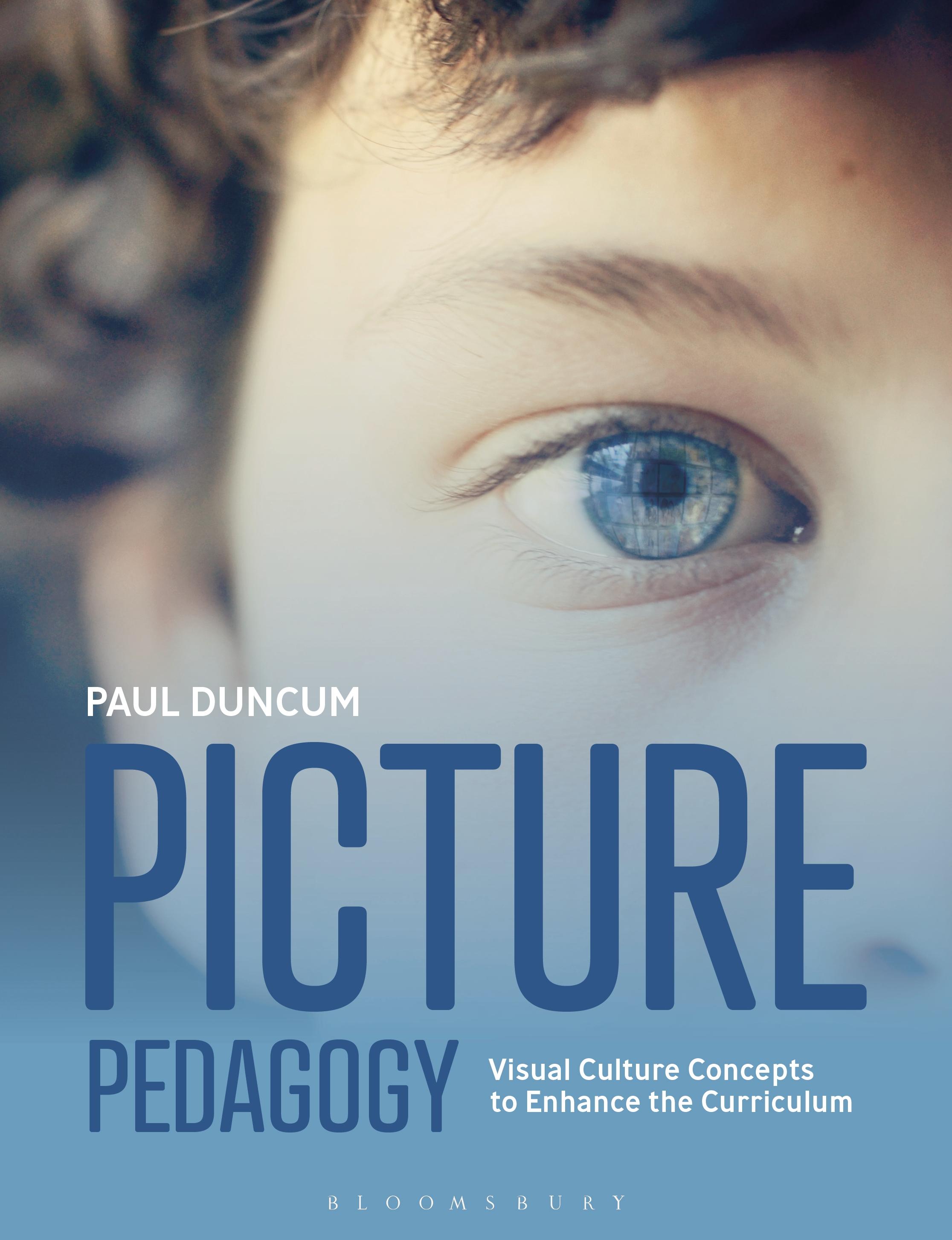
Contemporary societies are saturated with pictures. They are globally a part of everyday life, and they are seductive, offering values and beliefs in such highly pleasurable forms that it is often difficult to resist their power to persuade. Yet interpreting pictures is largely neglected in schools. Picture Pedagogy addresses this head on, showing that pictures can be used as a powerful form of classroom pedagogy. Duncum explores key concepts and curriculum examples to empower you to support students to develop a critical consciousness about pictures, whether teaching art, media, language or social studies. Drawing on the interpretive concepts of representation, rhetoric, ideology, aesthetic pleasure, intertextuality and the gaze, Duncum shows how you can develop your students' skills so that their power as viewers can match the power of pictures to seduce. Examples from the history of fine art and contemporary popular mass media, including Big Data and fake news, are drawn together and shown to be appealing to the same aesthetic pleasures. Often these pleasures are benign, but also problematic, helping to promote morally questionable ideas about a range of topics including gender, race and sexual orientation, and this is explored fully.
Betaal eenvoudig met kaart, Klarna, Apple Pay of Google Pay. Niet tevreden? Je hebt altijd 14 dagen bedenktijd. Lees meer in onze voorwaarden. Heb je vragen, mail ons dan via hello@memmo.org.
Memmo maakt studeren makkelijker – waar je ook bent ter wereld. Wij brengen je cursusboeken en slimme studietools samen op één plek: samenvattingen, quizzen, podcasts en flashcards. En Ted, je studievriend die antwoord geeft op alles wat je je afvraagt. Meer dan 50.000 studenten studeren hier al – gebouwd om je sneller te laten leren en minder stress te geven.