
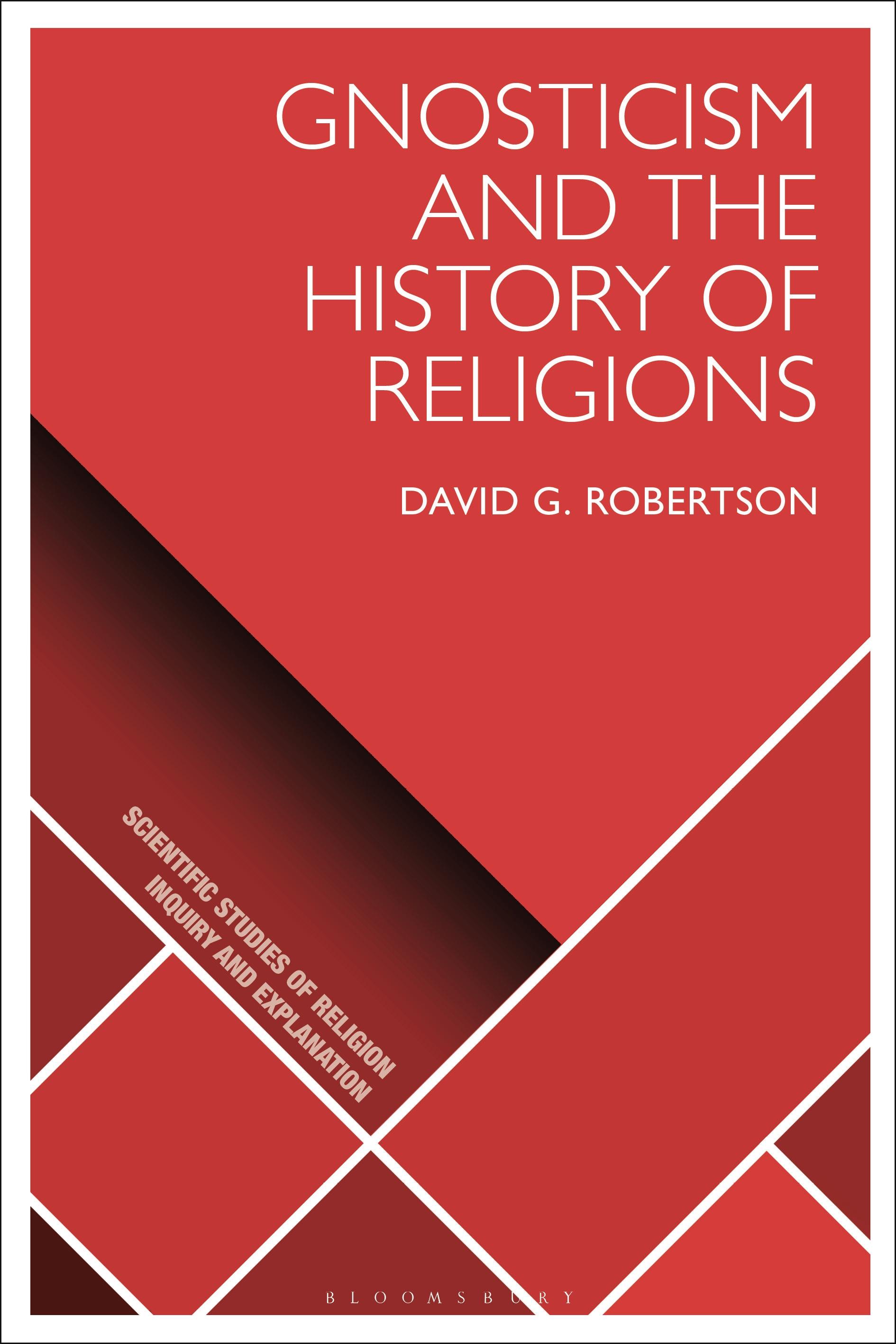
Building on critical work in biblical studies, which shows how a historically-bounded heretical tradition called Gnosticism was 'invented', this work focuses on the following stage in which it was “essentialised” into a sui generis, universal category of religion. At the same time, it shows how Gnosticism became a religious self-identifier, with a number of sizable contemporary groups identifying as Gnostics today, drawing on the same discourses.
This book provides a history of this problematic category, and its relationship with scholarly and popular discourse on religion in the twentieth century. It uses a critical-historical method to show how and why Gnosis, Gnostic and Gnosticism were taken up by specific groups and individuals – practitioners and scholars – at different times. It shows how ideas about Gnosticism developed in late nineteenth- and twentieth-century scholarship, drawing from continental phenomenology, Jungian psychology and post-Holocaust theology, to be constructed as a perennial religious current based on special knowledge of the divine in a corrupt world.
David G. Robertson challenges how scholars interact with the category Gnosticism, and contributes to our understanding of the complex relationship between primary sources, academics and practitioners in category formation.
This book provides a history of this problematic category, and its relationship with scholarly and popular discourse on religion in the twentieth century. It uses a critical-historical method to show how and why Gnosis, Gnostic and Gnosticism were taken up by specific groups and individuals – practitioners and scholars – at different times. It shows how ideas about Gnosticism developed in late nineteenth- and twentieth-century scholarship, drawing from continental phenomenology, Jungian psychology and post-Holocaust theology, to be constructed as a perennial religious current based on special knowledge of the divine in a corrupt world.
David G. Robertson challenges how scholars interact with the category Gnosticism, and contributes to our understanding of the complex relationship between primary sources, academics and practitioners in category formation.
Pagina's: 240
Categorie: Religion & Teologi
e-ISBN: 9781350137714
Verzendgewicht: 1.2 kg
Verzending binnen: 1-2 dagen
Betaal eenvoudig met kaart, Klarna, Apple Pay of Google Pay. Niet tevreden? Je hebt altijd 14 dagen bedenktijd. Lees meer in onze voorwaarden. Heb je vragen, mail ons dan via hello@memmo.org.
Memmo maakt studeren makkelijker – waar je ook bent ter wereld. Wij brengen je cursusboeken en slimme studietools samen op één plek: samenvattingen, quizzen, podcasts en flashcards. En Ted, je studievriend die antwoord geeft op alles wat je je afvraagt. Meer dan 50.000 studenten studeren hier al – gebouwd om je sneller te laten leren en minder stress te geven.