
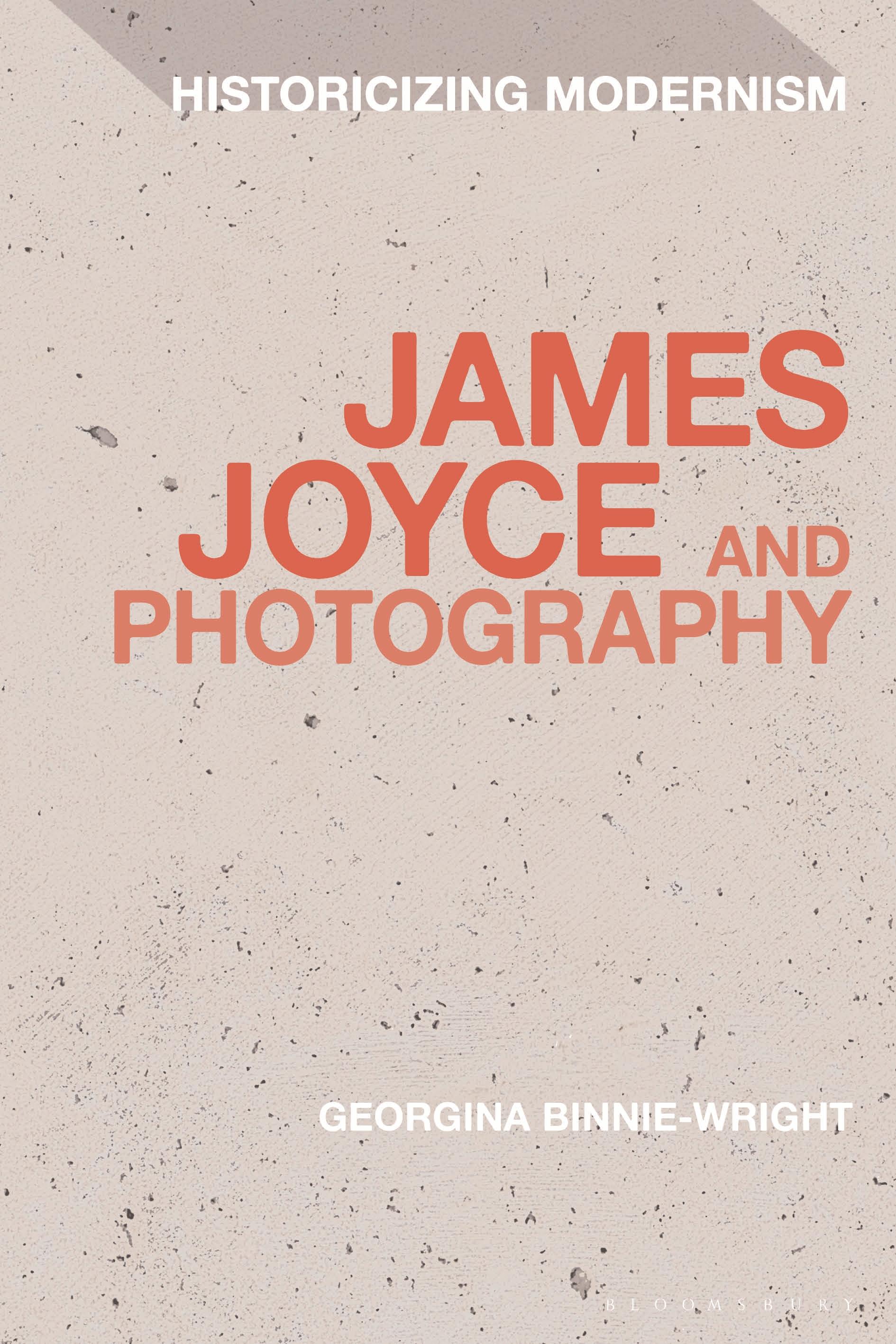
James Joyce and Photography is the first book to explore in-depth James Joyce's personal and professional engagement with photography. Photographs, photographic devices and photographically-inspired techniques appear throughout Joyce's work, from his narrator's furtive proto-photographic framing in Silhouettes (c. 1897), to the aggressively-minded 'Tulloch-Turnbull girl with her coldblood kodak' in Finnegans Wake (1939).
Through an exploration of Joyce's manuscripts and photographic and newspaper archival material, as well as the full range of his major works, this book sheds new light on his sustained interest in this visual medium. This project takes Joyce's intention in Dubliners (1914) to 'betray the soul of that hemiplegia or paralysis which many consider a city' as key to his interaction with photography, which in his literature occupies a dual position between stasis and innovation.
Through an exploration of Joyce's manuscripts and photographic and newspaper archival material, as well as the full range of his major works, this book sheds new light on his sustained interest in this visual medium. This project takes Joyce's intention in Dubliners (1914) to 'betray the soul of that hemiplegia or paralysis which many consider a city' as key to his interaction with photography, which in his literature occupies a dual position between stasis and innovation.
Betaal eenvoudig met kaart, Klarna, Apple Pay of Google Pay. Niet tevreden? Je hebt altijd 14 dagen bedenktijd. Lees meer in onze voorwaarden. Heb je vragen, mail ons dan via hello@memmo.org.
Memmo maakt studeren makkelijker – waar je ook bent ter wereld. Wij brengen je cursusboeken en slimme studietools samen op één plek: samenvattingen, quizzen, podcasts en flashcards. En Ted, je studievriend die antwoord geeft op alles wat je je afvraagt. Meer dan 50.000 studenten studeren hier al – gebouwd om je sneller te laten leren en minder stress te geven.