
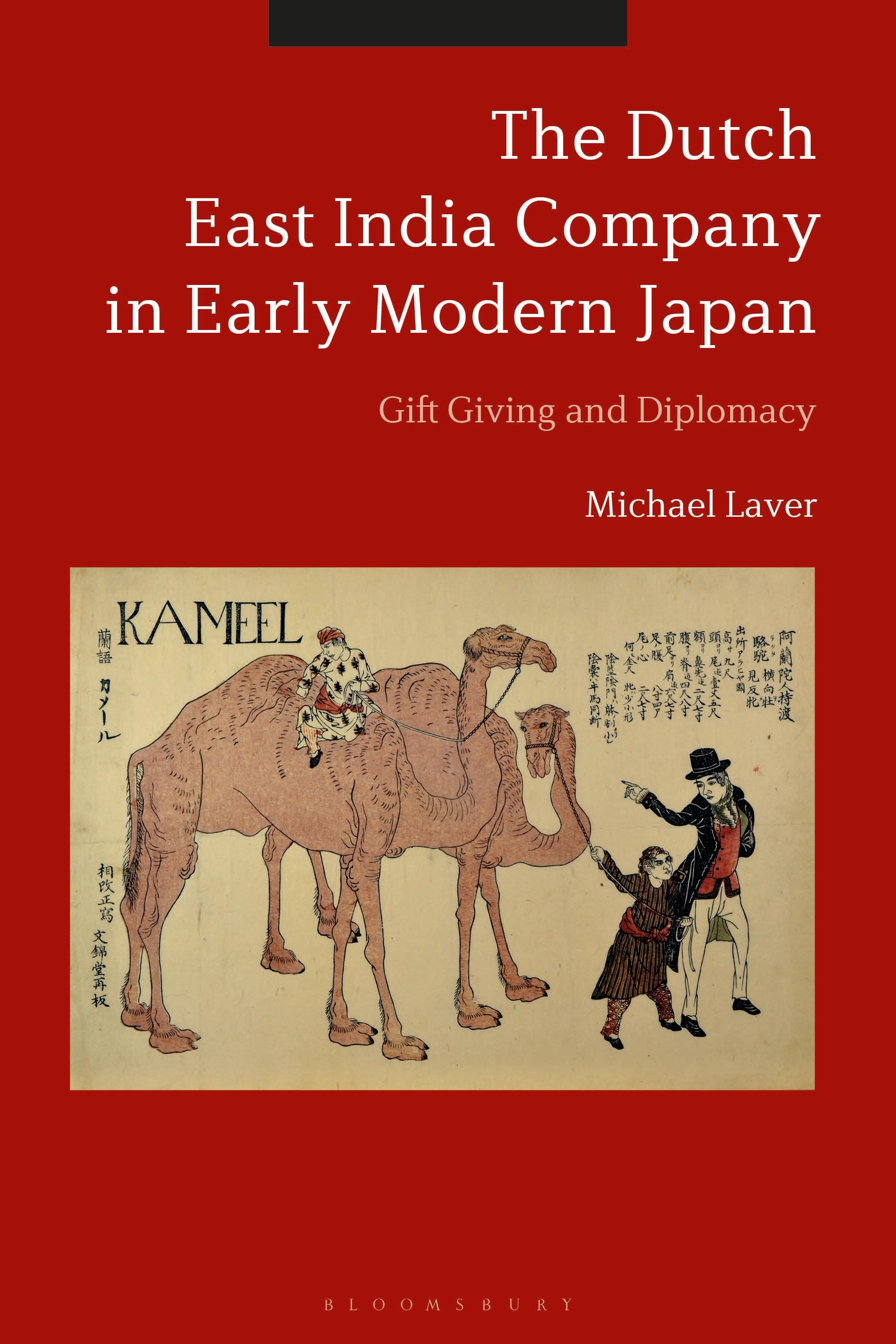
Michael Laver examines how the giving of exotic gifts in early modern Japan facilitated Dutch trade by ascribing legitimacy to the shogunal government and by playing into the shogun's desire to create a worldview centered on a Japanese tributary state. The book reveals how formal and informal gift exchange also created a smooth working relationship between the Dutch and the Japanese bureaucracy, allowing the politically charged issue of foreign trade to proceed relatively uninterrupted for over two centuries.
Based mainly on Dutch diaries and official Dutch East India Company records, as well as exhaustive secondary research conducted in Dutch, English, and Japanese, this new study fills an important gap in our knowledge of European-Japanese relations. It will also be of great interest to anyone studying the history of material culture and cross-cultural relations in a global context.
Based mainly on Dutch diaries and official Dutch East India Company records, as well as exhaustive secondary research conducted in Dutch, English, and Japanese, this new study fills an important gap in our knowledge of European-Japanese relations. It will also be of great interest to anyone studying the history of material culture and cross-cultural relations in a global context.
Betaal eenvoudig met kaart, Klarna, Apple Pay of Google Pay. Niet tevreden? Je hebt altijd 14 dagen bedenktijd. Lees meer in onze voorwaarden. Heb je vragen, mail ons dan via hello@memmo.org.
Memmo maakt studeren makkelijker – waar je ook bent ter wereld. Wij brengen je cursusboeken en slimme studietools samen op één plek: samenvattingen, quizzen, podcasts en flashcards. En Ted, je studievriend die antwoord geeft op alles wat je je afvraagt. Meer dan 50.000 studenten studeren hier al – gebouwd om je sneller te laten leren en minder stress te geven.