
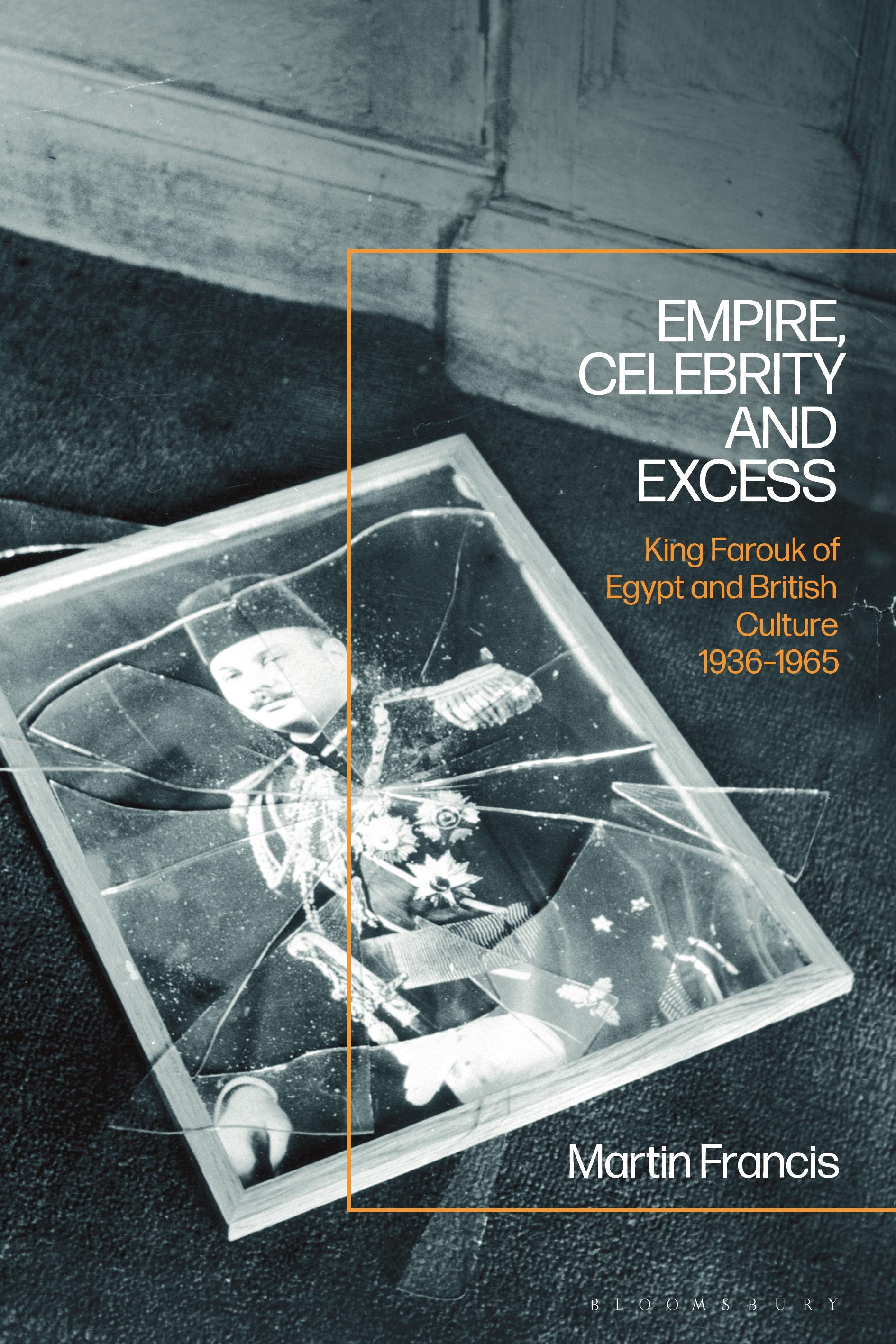
While now long-forgotten, King Farouk of Egypt loomed large in British culture in the 1940s and 1950s. Farouk was of interest and importance, not just to British imperial policy makers, but to a wider public that was exposed to his extravagant lifestyle and colourful private life through gossip columns, comedy sketches, cartoons, song lyrics and novels.
This book explores how the narratives and representations of King Farouk found in British official and popular culture dramatized the retreat from empire, the rise of celebrity journalism, changing conceptions of masculinity and sexuality, ambivalent attitudes towards monarchy, postcolonial exile, the growth of mass tourism, and the post-war transition from austerity to abundance. By considering diplomatic history in tandem with histories of popular culture and celebrity, Francis presents a more holistic understanding of British culture during the era of decolonization.
The varied cultural and social features of post-war Britain and the reconstitution of British identity in the aftermath of empire - sexual liberalization, 'Americanization', consumer affluence, increased interaction with Europe, new forms of mass leisure and the emergence of celebrity culture - did not take place independently of the dismantling of imperial rule. Studying Farouk therefore sheds new light on the multiple and complex ways in which Britain emerged as a postcolonial nation.
This book explores how the narratives and representations of King Farouk found in British official and popular culture dramatized the retreat from empire, the rise of celebrity journalism, changing conceptions of masculinity and sexuality, ambivalent attitudes towards monarchy, postcolonial exile, the growth of mass tourism, and the post-war transition from austerity to abundance. By considering diplomatic history in tandem with histories of popular culture and celebrity, Francis presents a more holistic understanding of British culture during the era of decolonization.
The varied cultural and social features of post-war Britain and the reconstitution of British identity in the aftermath of empire - sexual liberalization, 'Americanization', consumer affluence, increased interaction with Europe, new forms of mass leisure and the emergence of celebrity culture - did not take place independently of the dismantling of imperial rule. Studying Farouk therefore sheds new light on the multiple and complex ways in which Britain emerged as a postcolonial nation.
Betaal eenvoudig met kaart, Klarna, Apple Pay of Google Pay. Niet tevreden? Je hebt altijd 14 dagen bedenktijd. Lees meer in onze voorwaarden. Heb je vragen, mail ons dan via hello@memmo.org.
Memmo maakt studeren makkelijker – waar je ook bent ter wereld. Wij brengen je cursusboeken en slimme studietools samen op één plek: samenvattingen, quizzen, podcasts en flashcards. En Ted, je studievriend die antwoord geeft op alles wat je je afvraagt. Meer dan 50.000 studenten studeren hier al – gebouwd om je sneller te laten leren en minder stress te geven.