
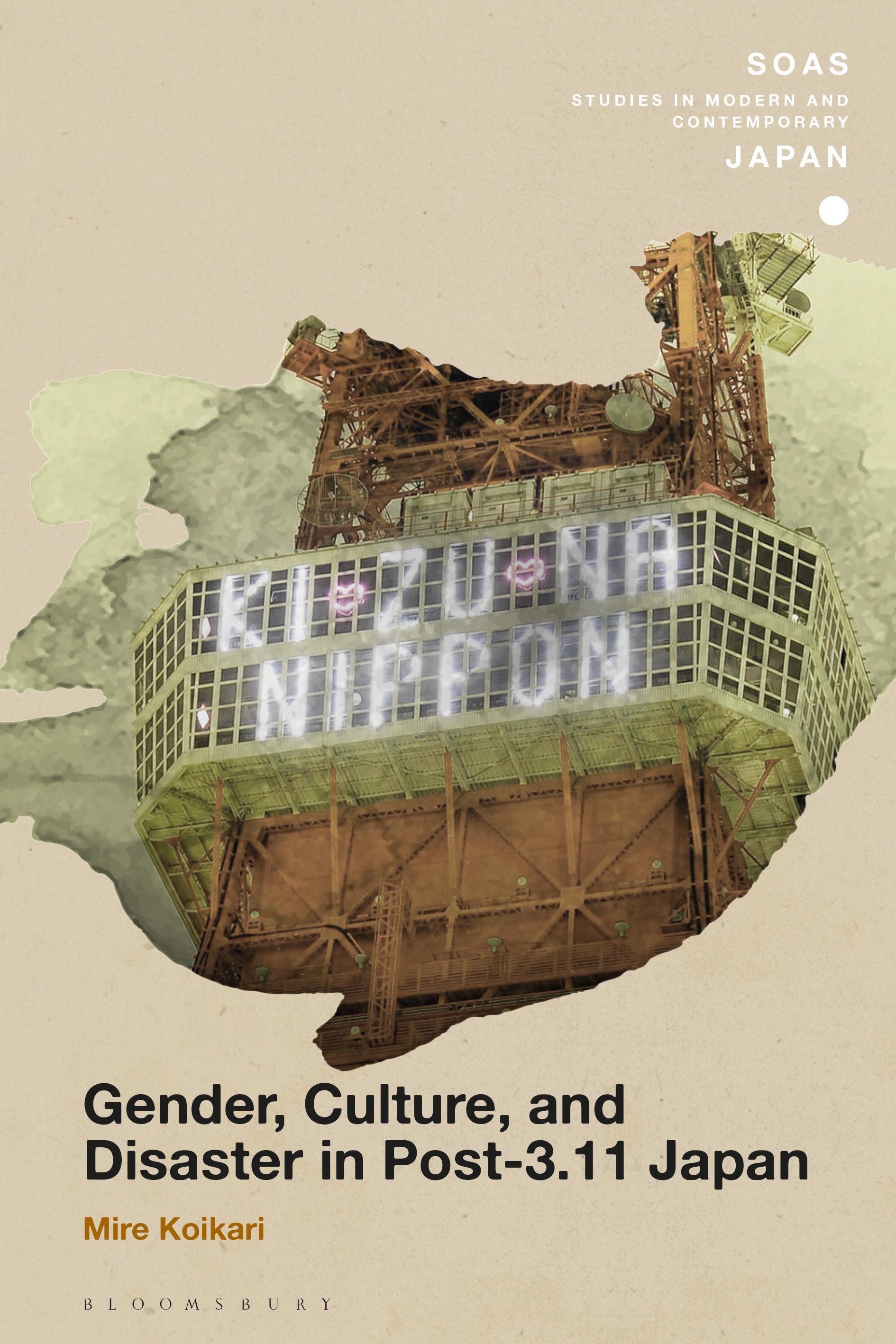
The Great East Japan Disaster – a compound catastrophe of earthquake, tsunami, and nuclear meltdown that began on March 11, 2011 – has ushered in a new era of cultural production dominated by discussions on safety and security, risk and vulnerability, and recovery and refortification. Gender, Culture, and Disaster in Post-3.11 Japan re-frames post-disaster national reconstruction as a social project imbued with dynamics of gender, race, and empire and in doing so Mire Koikari offers an innovative approach to resilience building in contemporary Japan.
From juvenile literature to civic manuals to policy statements, Koikari examines a vast array of primary sources to demonstrate how femininity and masculinity, readiness and preparedness, militarism and humanitarianism, and nationalism and transnationalism inform cultural formation and transformation triggered by the unprecedented crisis. Interdisciplinary in its orientation, the book reveals how militarism, neoliberalism, and neoconservatism drive Japan's resilience building while calling attention to historical precedents and transnational connections that animate the ongoing mobilization toward safety and security.
An important contribution to studies of gender and Japan, the book is essential reading for all those wishing to understand local and global politics of precarity and its proposed solutions amid the rising tide of pandemics, ecological hazards, industrial disasters, and humanitarian crises.
From juvenile literature to civic manuals to policy statements, Koikari examines a vast array of primary sources to demonstrate how femininity and masculinity, readiness and preparedness, militarism and humanitarianism, and nationalism and transnationalism inform cultural formation and transformation triggered by the unprecedented crisis. Interdisciplinary in its orientation, the book reveals how militarism, neoliberalism, and neoconservatism drive Japan's resilience building while calling attention to historical precedents and transnational connections that animate the ongoing mobilization toward safety and security.
An important contribution to studies of gender and Japan, the book is essential reading for all those wishing to understand local and global politics of precarity and its proposed solutions amid the rising tide of pandemics, ecological hazards, industrial disasters, and humanitarian crises.
Betaal eenvoudig met kaart, Klarna, Apple Pay of Google Pay. Niet tevreden? Je hebt altijd 14 dagen bedenktijd. Lees meer in onze voorwaarden. Heb je vragen, mail ons dan via hello@memmo.org.
Memmo maakt studeren makkelijker – waar je ook bent ter wereld. Wij brengen je cursusboeken en slimme studietools samen op één plek: samenvattingen, quizzen, podcasts en flashcards. En Ted, je studievriend die antwoord geeft op alles wat je je afvraagt. Meer dan 50.000 studenten studeren hier al – gebouwd om je sneller te laten leren en minder stress te geven.