
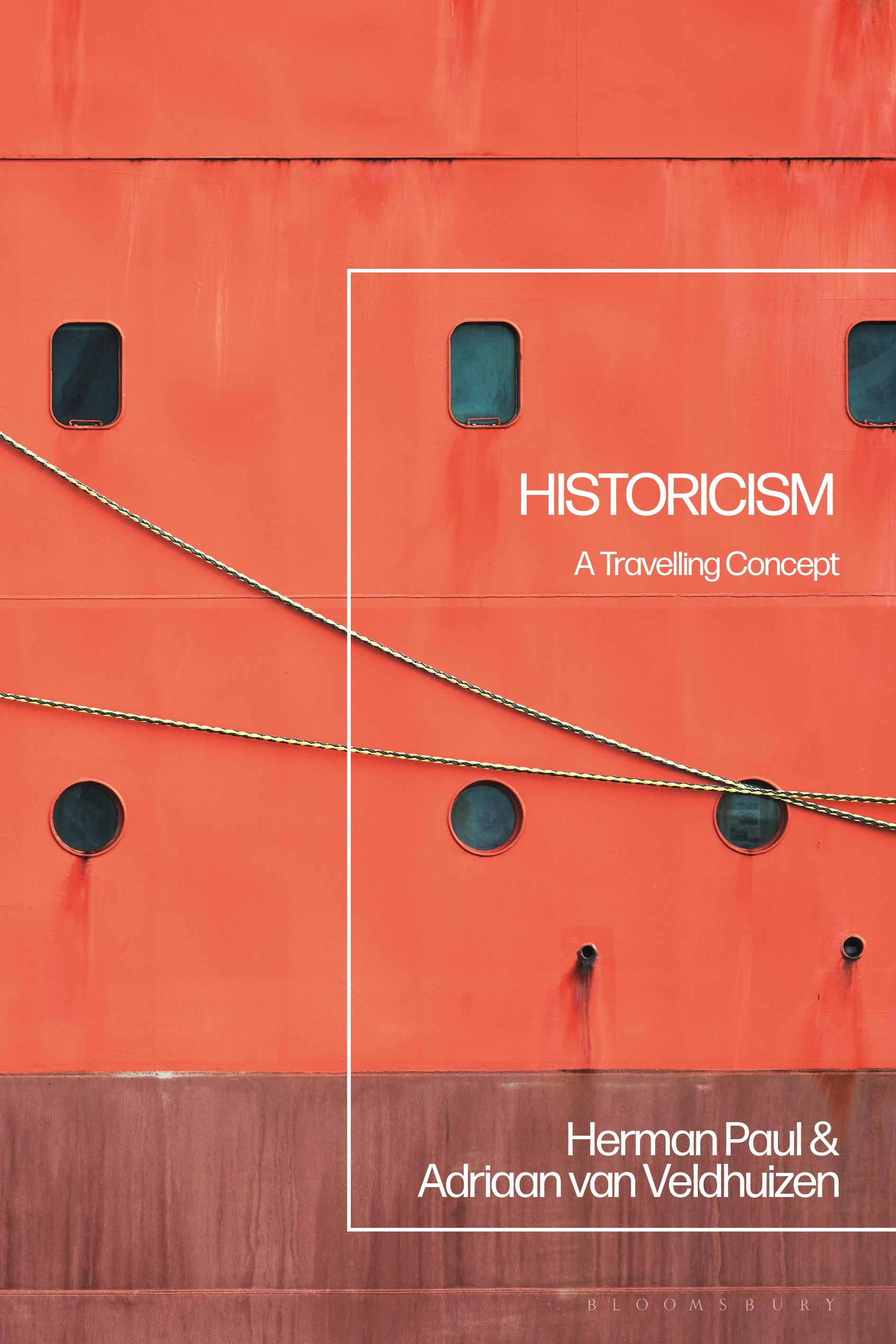
Throughout the twentieth century, scholars, artists and politicians have accused each other of “historicism.” But what exactly did this mean? Judging by existing scholarship, the answers varied enormously. Like many other “isms,” historicism could mean nearly everything, to the point of becoming meaningless.
Yet the questions remain: What made generations of scholars throughout the humanities and social sciences worry about historicism? Why did even musicians and members of parliament warn against historicism? And what explains this remarkable career of the term across generations, fields, regions, and languages?
Focusing on the “travels” that historicism made, this volume uses historicism as a prism for exploring connections between disciplines and intellectual traditions usually studied in isolation from each other. It shows how generations of sociologists, theologians, and historians tried to avoid pitfalls associated with historicism and explains why the term was heavily charged with emotions like anxiety, anger, and worry.
While offering fresh interpretations of classic authors such as Friedrich Meinecke, Karl Löwith, and Leo Strauss, this volume highlights how historicism took on new meanings, connotations, and emotional baggage in the course of its travels through time and place.
Yet the questions remain: What made generations of scholars throughout the humanities and social sciences worry about historicism? Why did even musicians and members of parliament warn against historicism? And what explains this remarkable career of the term across generations, fields, regions, and languages?
Focusing on the “travels” that historicism made, this volume uses historicism as a prism for exploring connections between disciplines and intellectual traditions usually studied in isolation from each other. It shows how generations of sociologists, theologians, and historians tried to avoid pitfalls associated with historicism and explains why the term was heavily charged with emotions like anxiety, anger, and worry.
While offering fresh interpretations of classic authors such as Friedrich Meinecke, Karl Löwith, and Leo Strauss, this volume highlights how historicism took on new meanings, connotations, and emotional baggage in the course of its travels through time and place.
Betaal eenvoudig met kaart, Klarna, Apple Pay of Google Pay. Niet tevreden? Je hebt altijd 14 dagen bedenktijd. Lees meer in onze voorwaarden. Heb je vragen, mail ons dan via hello@memmo.org.
Memmo maakt studeren makkelijker – waar je ook bent ter wereld. Wij brengen je cursusboeken en slimme studietools samen op één plek: samenvattingen, quizzen, podcasts en flashcards. En Ted, je studievriend die antwoord geeft op alles wat je je afvraagt. Meer dan 50.000 studenten studeren hier al – gebouwd om je sneller te laten leren en minder stress te geven.