
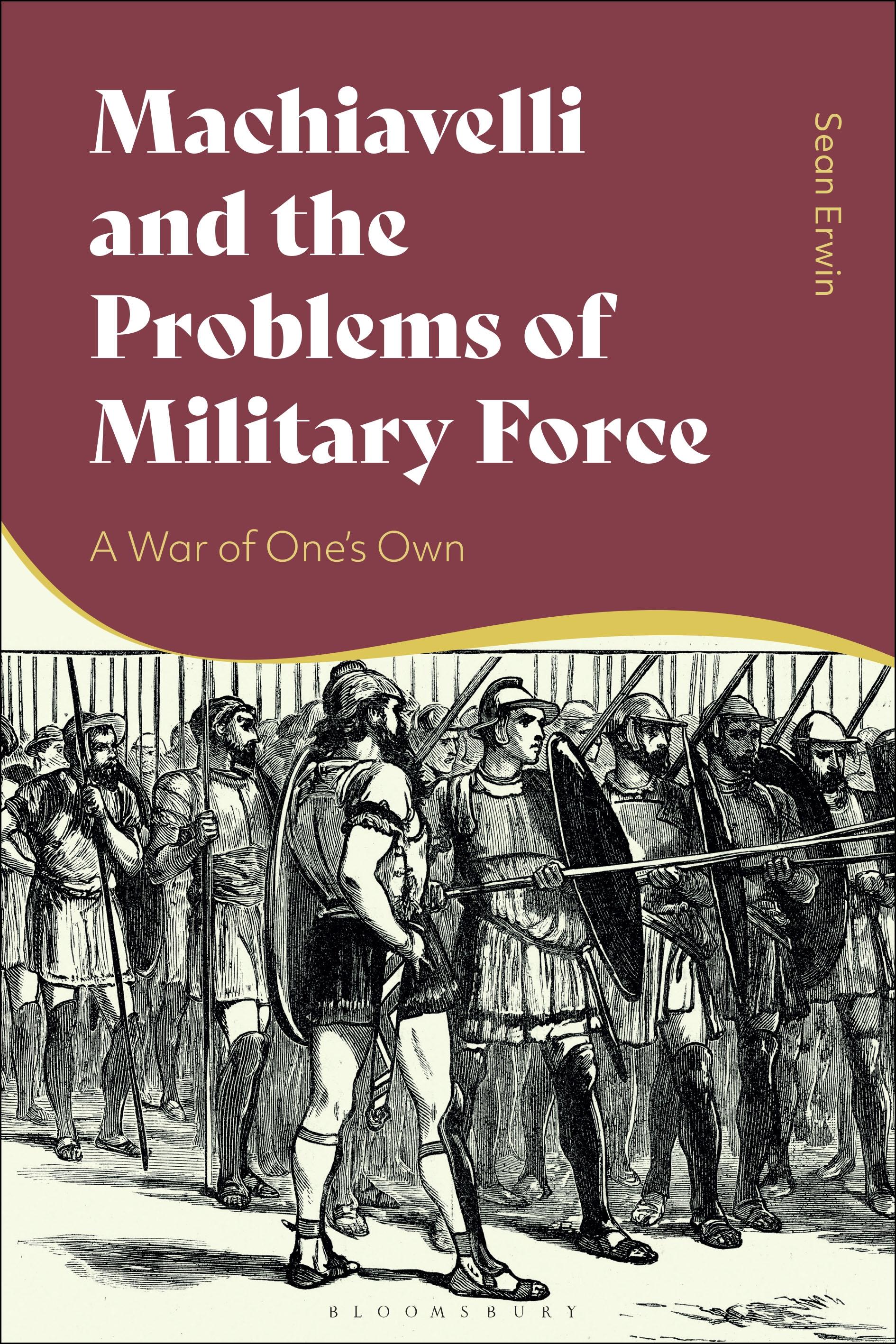
Central to Niccolò Machiavelli's writing is the argument that a successful state is one that prefers to lose with its own arms (arma propriis) than to win with the arms of others (arma alienis). This book sheds light on Machiavelli's critiques of military force and provides an important reinterpretation of his military theory.
Sean Erwin argues that the distinction between arma propriis and arma alienis poses a central problem to Machiavelli's case for why modern political institutions offer modes of political existence that ancient ones did not. Starting from the influence of Lucretius and Aelianus Tacticus on the Dell'arte della guerra, Erwin examines Machiavelli's criticism of mercenary, auxiliary, and mixed forces.
Giving due consideration to an overlooked conceptual distinction in Machiavelli studies, this book is a valuable and original contribution to the field.
Sean Erwin argues that the distinction between arma propriis and arma alienis poses a central problem to Machiavelli's case for why modern political institutions offer modes of political existence that ancient ones did not. Starting from the influence of Lucretius and Aelianus Tacticus on the Dell'arte della guerra, Erwin examines Machiavelli's criticism of mercenary, auxiliary, and mixed forces.
Giving due consideration to an overlooked conceptual distinction in Machiavelli studies, this book is a valuable and original contribution to the field.
Betaal eenvoudig met kaart, Klarna, Apple Pay of Google Pay. Niet tevreden? Je hebt altijd 14 dagen bedenktijd. Lees meer in onze voorwaarden. Heb je vragen, mail ons dan via hello@memmo.org.
Memmo maakt studeren makkelijker – waar je ook bent ter wereld. Wij brengen je cursusboeken en slimme studietools samen op één plek: samenvattingen, quizzen, podcasts en flashcards. En Ted, je studievriend die antwoord geeft op alles wat je je afvraagt. Meer dan 50.000 studenten studeren hier al – gebouwd om je sneller te laten leren en minder stress te geven.