
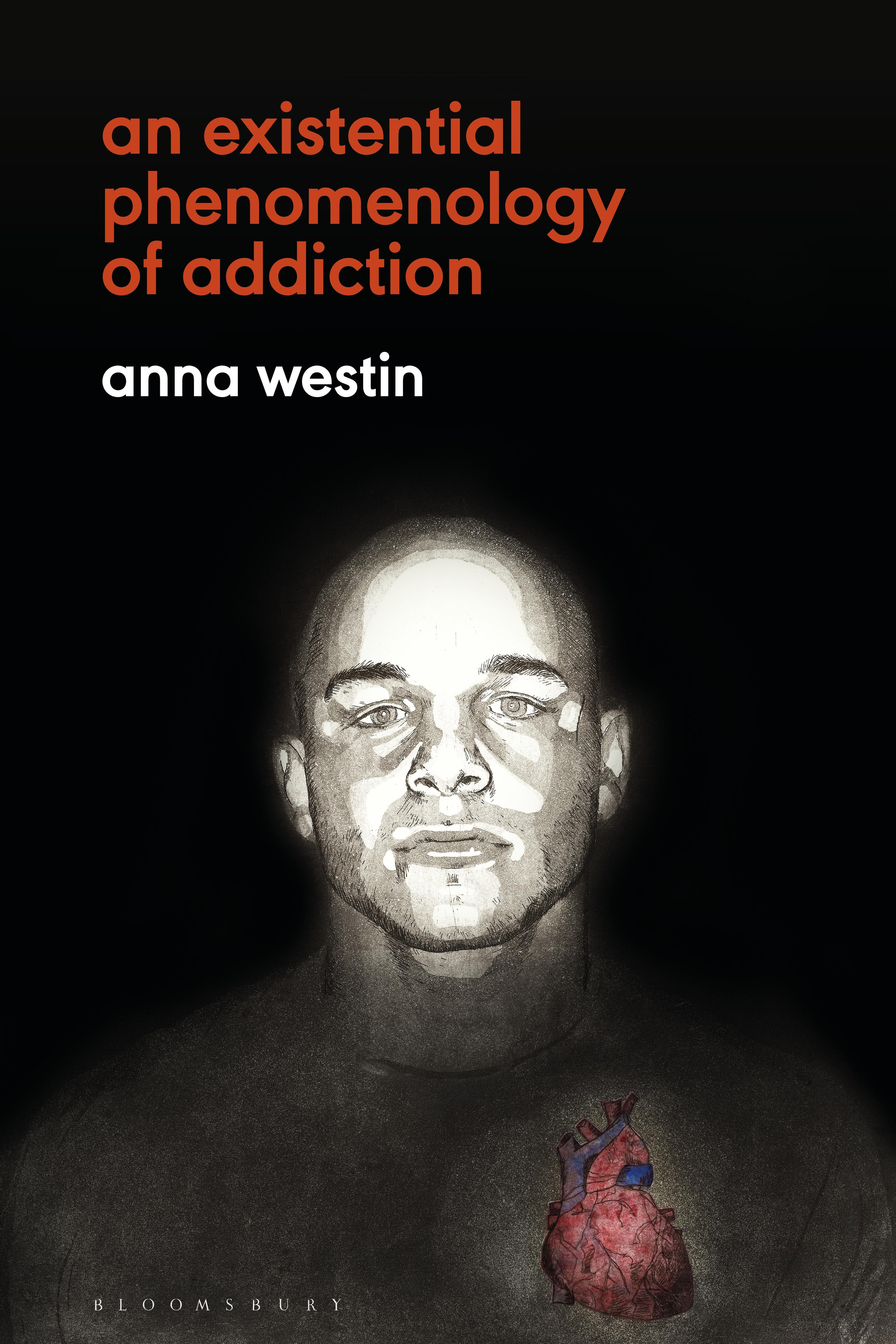
Existential phenomenology can be a particularly helpful philosophical method for understanding human experience. Starting from the perspective of the subject, it can clarify and problematize subtle everyday relations, enabling greater insight into difficult situations. Used by contemporary philosophers as a way of understanding the embodied experience of illness, this method has been helpful for understanding physical illness in the medical humanities, offering a fruitful way of reading the subjectivity of mental states.
An Existential Phenomenology of Addiction examines how the experience of addiction engages both mental and physical phenomena within the existence of a particular human life, using the philosophy of Emmanuel Lévinas and Søren Kierkegaard. The book maps out an existential phenomenology of subject-in-relation. Both Lévinas and Kierkegaard use decidedly psychological and theological language to situate their philosophy, discussing the subject through concepts of love, otherness, responsibility and hope, while played out in a situation of anxiety, suffering, desire and revelation.
Combining existential phenomenological discourse with contemporary addiction discourse, Westin argues that the concept of subject as 'addict', as found in the Twelve Steps Program and disease models of addiction, ought to be replaced with the free and relational identity of subject as 'addicted'.
An Existential Phenomenology of Addiction examines how the experience of addiction engages both mental and physical phenomena within the existence of a particular human life, using the philosophy of Emmanuel Lévinas and Søren Kierkegaard. The book maps out an existential phenomenology of subject-in-relation. Both Lévinas and Kierkegaard use decidedly psychological and theological language to situate their philosophy, discussing the subject through concepts of love, otherness, responsibility and hope, while played out in a situation of anxiety, suffering, desire and revelation.
Combining existential phenomenological discourse with contemporary addiction discourse, Westin argues that the concept of subject as 'addict', as found in the Twelve Steps Program and disease models of addiction, ought to be replaced with the free and relational identity of subject as 'addicted'.
Betaal eenvoudig met kaart, Klarna, Apple Pay of Google Pay. Niet tevreden? Je hebt altijd 14 dagen bedenktijd. Lees meer in onze voorwaarden. Heb je vragen, mail ons dan via hello@memmo.org.
Memmo maakt studeren makkelijker – waar je ook bent ter wereld. Wij brengen je cursusboeken en slimme studietools samen op één plek: samenvattingen, quizzen, podcasts en flashcards. En Ted, je studievriend die antwoord geeft op alles wat je je afvraagt. Meer dan 50.000 studenten studeren hier al – gebouwd om je sneller te laten leren en minder stress te geven.