
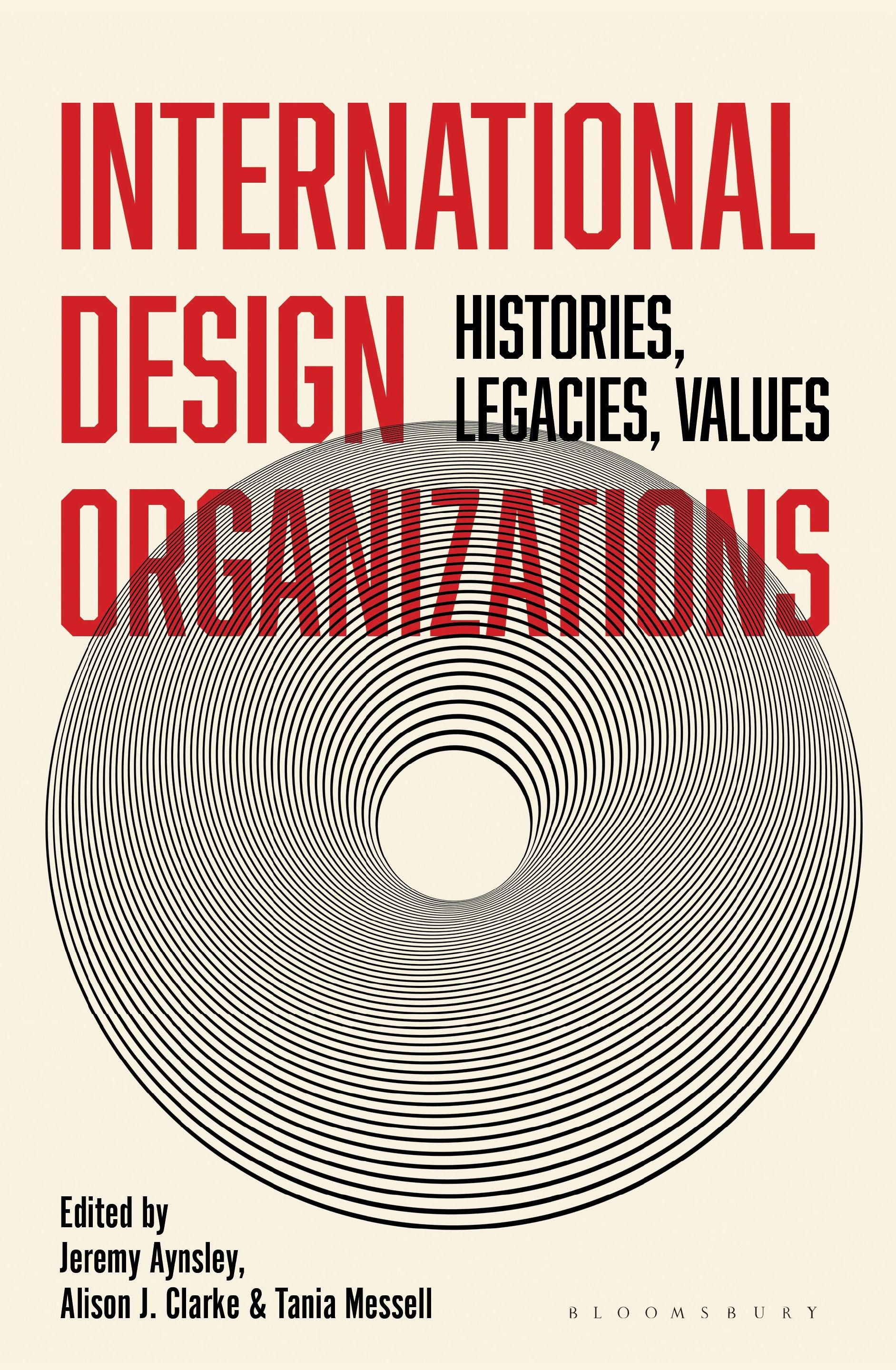
This innovative volume brings together international design scholars to address the history and present-day status of national and international design organizations, working across design disciplines and located in countries including Argentina, Turkey, Estonia, Switzerland, Italy, China and the USA.
In the second half of the 20th century, many non-governmental organizations were created to address urgent cultural, economic and welfare issues. Design organizations set out to create an international consensus for the future direction of design. This included enhancing communication between professionals, educators and practitioners, raising standards for design, and creating communities of designers across linguistic, national and political borders. Shared needs and agendas were identified and categories of design constantly defined and re-defined, often with overt cultural and political intents.
Drawing on an impressive range of original research, archival sources and oral testimony, this volume questions the aims and achievements of national and international design organizations in light of their subsequent histories and their global remits. The Cold War period is central to the book, while many chapters draw on post-colonial perspectives to interpret how transnational networks and negotiations took place at events and congresses, and through publication.
In the second half of the 20th century, many non-governmental organizations were created to address urgent cultural, economic and welfare issues. Design organizations set out to create an international consensus for the future direction of design. This included enhancing communication between professionals, educators and practitioners, raising standards for design, and creating communities of designers across linguistic, national and political borders. Shared needs and agendas were identified and categories of design constantly defined and re-defined, often with overt cultural and political intents.
Drawing on an impressive range of original research, archival sources and oral testimony, this volume questions the aims and achievements of national and international design organizations in light of their subsequent histories and their global remits. The Cold War period is central to the book, while many chapters draw on post-colonial perspectives to interpret how transnational networks and negotiations took place at events and congresses, and through publication.
Betaal eenvoudig met kaart, Klarna, Apple Pay of Google Pay. Niet tevreden? Je hebt altijd 14 dagen bedenktijd. Lees meer in onze voorwaarden. Heb je vragen, mail ons dan via hello@memmo.org.
Memmo maakt studeren makkelijker – waar je ook bent ter wereld. Wij brengen je cursusboeken en slimme studietools samen op één plek: samenvattingen, quizzen, podcasts en flashcards. En Ted, je studievriend die antwoord geeft op alles wat je je afvraagt. Meer dan 50.000 studenten studeren hier al – gebouwd om je sneller te laten leren en minder stress te geven.