
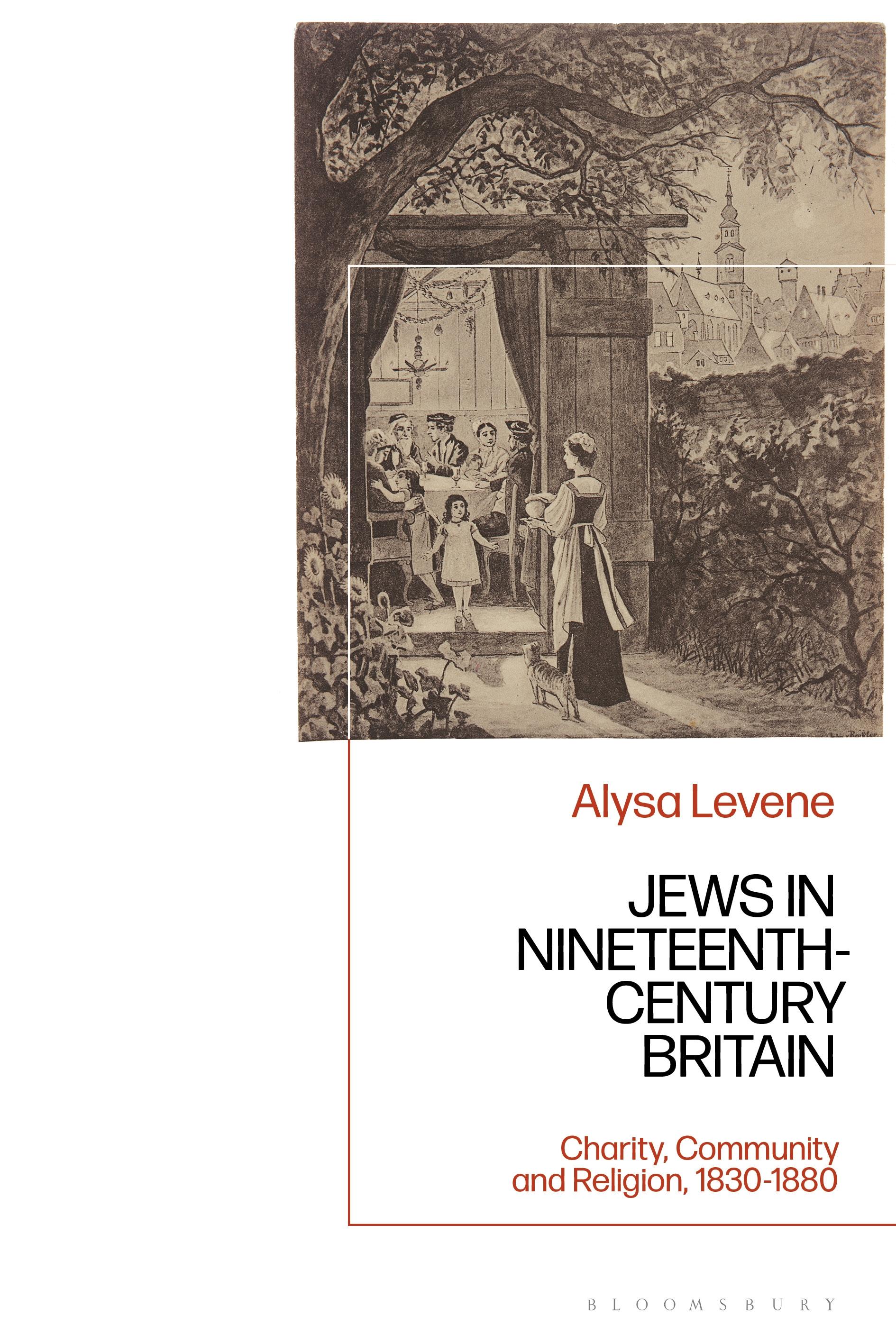
This book examines Jewish communities in Britain in an era of immense social, economic and religious change: from the acceleration of industrialisation to the end of the first phase of large-scale Jewish immigration from Europe.
Using the 1851 census alongside extensive charity and community records, Jews in Nineteenth-Century Britain tests the impact of migration, new types of working and changes in patterns of worship on the family and community life of seven of the fastest-growing industrial towns in Britain. Communal life for the Jews living there (over a third of whom had been born overseas) was a constantly shifting balance between the generation of wealth and respectability, and the risks of inundation by poor newcomers. But while earlier studies have used this balance as a backdrop for the story of individual Jewish communities, this book highlights the interactions between the people who made them up. At the core of the book is the question of what membership of the 'imagined community' of global Jewry meant: how it helped those who belonged to it, how it affected where they lived and who they lived with, the jobs that they did and the wealth or charity that they had access to.
By stitching together patterns of residence, charity and worship, Alysa Levene is here able to reveal that religious and cultural bonds had vital functions both for making ends meet and for the formation of identity in a period of rapid demographic, religious and cultural change.
Using the 1851 census alongside extensive charity and community records, Jews in Nineteenth-Century Britain tests the impact of migration, new types of working and changes in patterns of worship on the family and community life of seven of the fastest-growing industrial towns in Britain. Communal life for the Jews living there (over a third of whom had been born overseas) was a constantly shifting balance between the generation of wealth and respectability, and the risks of inundation by poor newcomers. But while earlier studies have used this balance as a backdrop for the story of individual Jewish communities, this book highlights the interactions between the people who made them up. At the core of the book is the question of what membership of the 'imagined community' of global Jewry meant: how it helped those who belonged to it, how it affected where they lived and who they lived with, the jobs that they did and the wealth or charity that they had access to.
By stitching together patterns of residence, charity and worship, Alysa Levene is here able to reveal that religious and cultural bonds had vital functions both for making ends meet and for the formation of identity in a period of rapid demographic, religious and cultural change.
Betaal eenvoudig met kaart, Klarna, Apple Pay of Google Pay. Niet tevreden? Je hebt altijd 14 dagen bedenktijd. Lees meer in onze voorwaarden. Heb je vragen, mail ons dan via hello@memmo.org.
Memmo maakt studeren makkelijker – waar je ook bent ter wereld. Wij brengen je cursusboeken en slimme studietools samen op één plek: samenvattingen, quizzen, podcasts en flashcards. En Ted, je studievriend die antwoord geeft op alles wat je je afvraagt. Meer dan 50.000 studenten studeren hier al – gebouwd om je sneller te laten leren en minder stress te geven.