
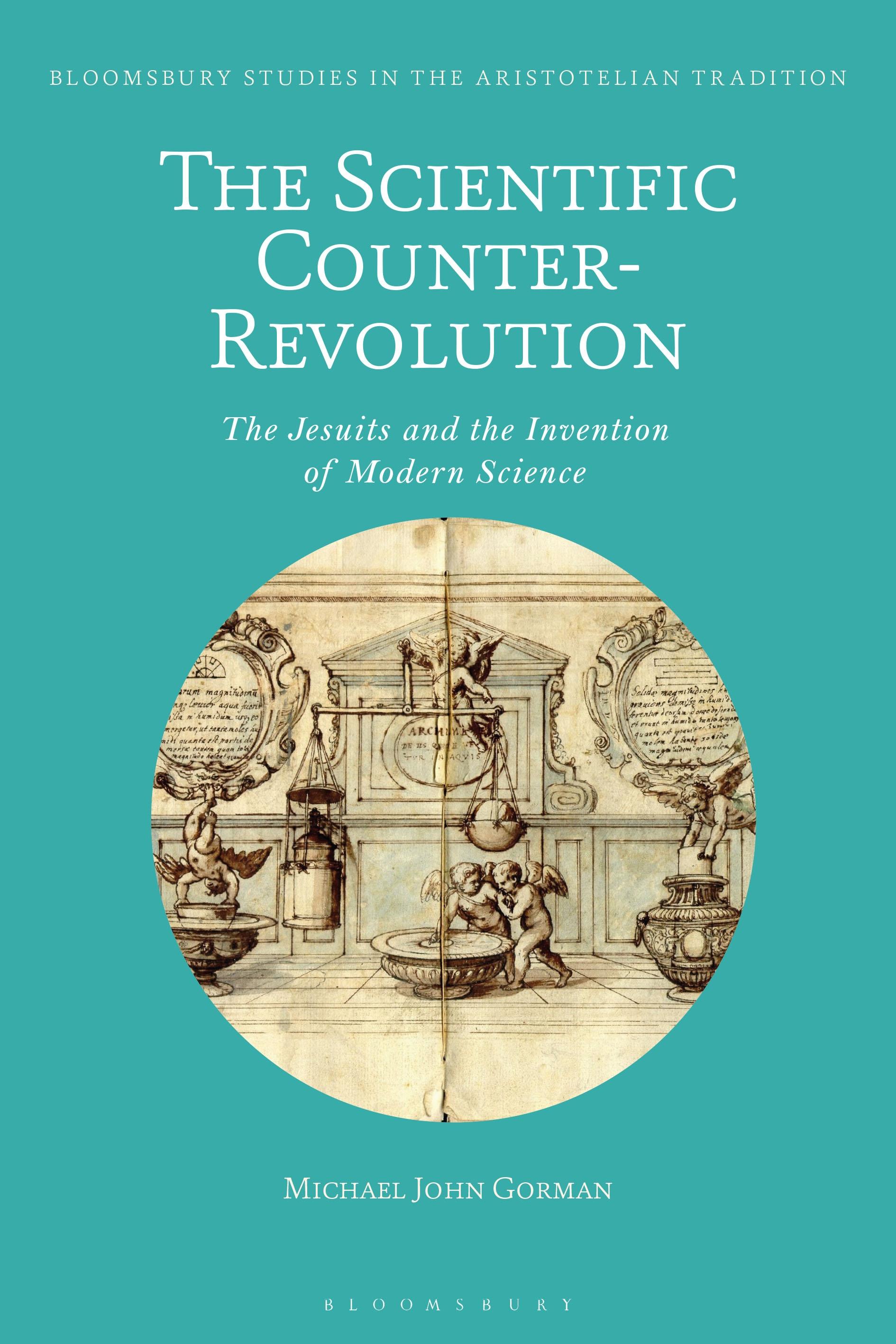
Jesuit engagement with natural philosophy during the late 16th and early 17th centuries transformed the status of the mathematical disciplines and propelled members of the Order into key areas of controversy in relation to Aristotelianism. Through close investigation of the activities of the Jesuit 'school' of mathematics founded by Christoph Clavius, The Scientific Counter-Revolution examines the Jesuit connections to the rise of experimental natural philosophy and the emergence of the early scientific societies.
Arguing for a re-evaluation of the role of Jesuits in shaping early modern science, this book traces the evolution of the Collegio Romano as a hub of knowledge. Starting with an examination of Clavius's Counter-Reformation agenda for mathematics, Michael John Gorman traces the development of a collective Jesuit approach to experimentation and observation under Christopher Grienberger and analyses the Jesuit role in the Galileo Affair and the vacuum debate. Ending with a discussion of the transformation of the Collegio Romano under Athanasius Kircher into a place of curiosity and wonder and the centre of a global information gathering network, this book reveals how the Counter-Reformation goals of the Jesuits contributed to the shaping of modern experimental science.
Arguing for a re-evaluation of the role of Jesuits in shaping early modern science, this book traces the evolution of the Collegio Romano as a hub of knowledge. Starting with an examination of Clavius's Counter-Reformation agenda for mathematics, Michael John Gorman traces the development of a collective Jesuit approach to experimentation and observation under Christopher Grienberger and analyses the Jesuit role in the Galileo Affair and the vacuum debate. Ending with a discussion of the transformation of the Collegio Romano under Athanasius Kircher into a place of curiosity and wonder and the centre of a global information gathering network, this book reveals how the Counter-Reformation goals of the Jesuits contributed to the shaping of modern experimental science.
Betaal eenvoudig met kaart, Klarna, Apple Pay of Google Pay. Niet tevreden? Je hebt altijd 14 dagen bedenktijd. Lees meer in onze voorwaarden. Heb je vragen, mail ons dan via hello@memmo.org.
Memmo maakt studeren makkelijker – waar je ook bent ter wereld. Wij brengen je cursusboeken en slimme studietools samen op één plek: samenvattingen, quizzen, podcasts en flashcards. En Ted, je studievriend die antwoord geeft op alles wat je je afvraagt. Meer dan 50.000 studenten studeren hier al – gebouwd om je sneller te laten leren en minder stress te geven.