
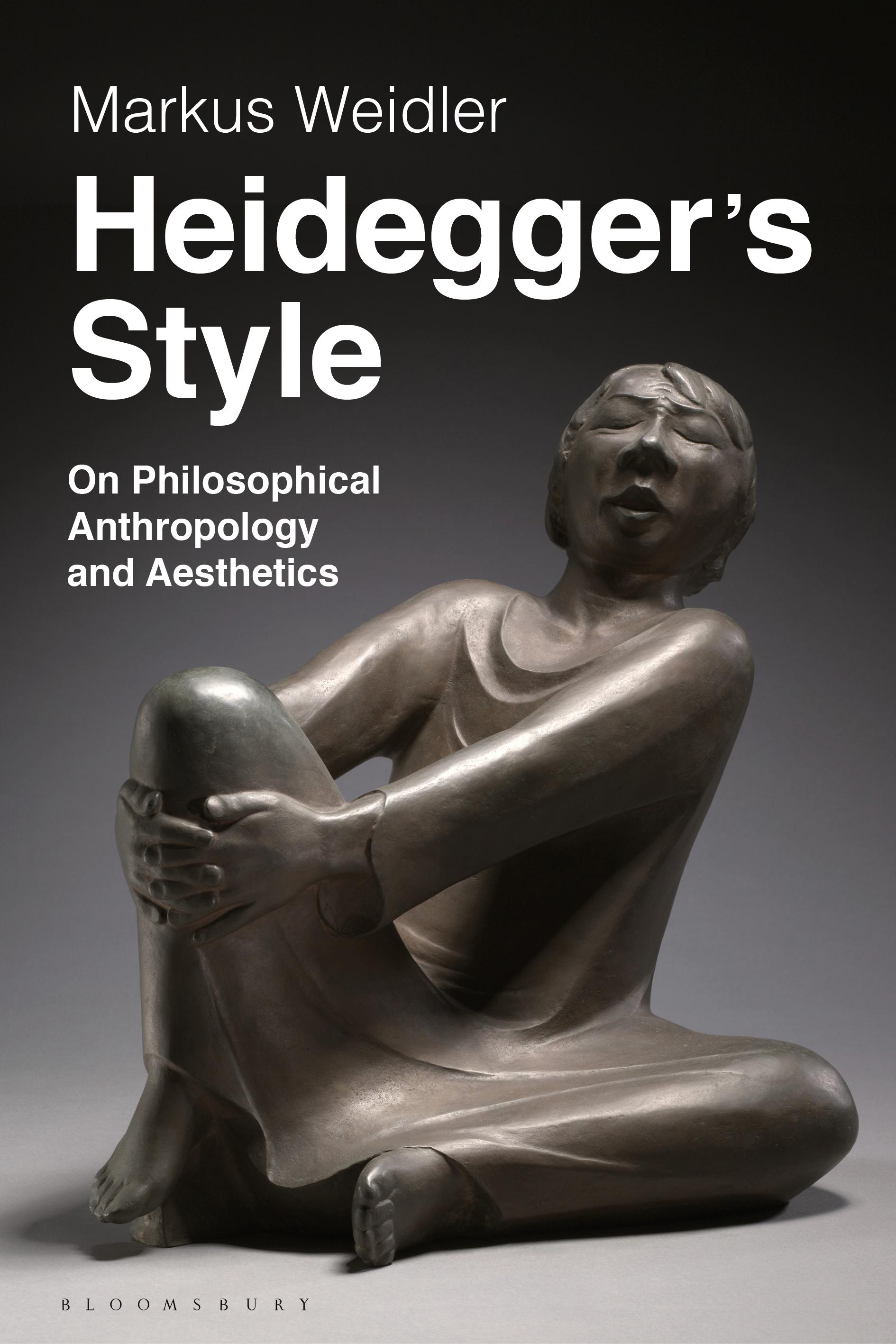
Addressing Heidegger's continuing centrality to continental thought, Markus Weidler argues that Heidegger's prickly charm is best explained in terms of his great ingenuity, crafting a novel genre of writing which promises to harness the revelatory power of artworks for the purpose of philosophical inquiry. In doing so, Heidegger challenges the reader with a provocative form of artisan thinking, which for Weidler is central to understanding the significance of Heidegger's work overall.
In Vorträge und Aufsätze (Public Lectures and Essays) Heidegger declares: 'once it has become anthropology, philosophy perishes from metaphysics.' Remarks critical of 'philosophical anthropology' are scattered throughout his writings, but so far commentators have not connected these tantalizing statements in any systematic way. This book deals with his hostility by addressing what we are to make of Heidegger's frequent but elusive dismissals of philosophical anthropology as a field of study.
This examination of Heidegger's complex relation to philosophical anthropology traces how pioneering thinkers like Schelling and Schiller paved the way not only for Heidegger but also for some of his potential competitors, most notably Max Scheler and Georg Simmel. Weidler argues that confronting the puzzle over Heidegger's peculiar relation to philosophical anthropology is also one of the keys to explaining his popularity as a philosopher, which has endured despite revelations of his various personal and political failings.
In Vorträge und Aufsätze (Public Lectures and Essays) Heidegger declares: 'once it has become anthropology, philosophy perishes from metaphysics.' Remarks critical of 'philosophical anthropology' are scattered throughout his writings, but so far commentators have not connected these tantalizing statements in any systematic way. This book deals with his hostility by addressing what we are to make of Heidegger's frequent but elusive dismissals of philosophical anthropology as a field of study.
This examination of Heidegger's complex relation to philosophical anthropology traces how pioneering thinkers like Schelling and Schiller paved the way not only for Heidegger but also for some of his potential competitors, most notably Max Scheler and Georg Simmel. Weidler argues that confronting the puzzle over Heidegger's peculiar relation to philosophical anthropology is also one of the keys to explaining his popularity as a philosopher, which has endured despite revelations of his various personal and political failings.
Betaal eenvoudig met kaart, Klarna, Apple Pay of Google Pay. Niet tevreden? Je hebt altijd 14 dagen bedenktijd. Lees meer in onze voorwaarden. Heb je vragen, mail ons dan via hello@memmo.org.
Memmo maakt studeren makkelijker – waar je ook bent ter wereld. Wij brengen je cursusboeken en slimme studietools samen op één plek: samenvattingen, quizzen, podcasts en flashcards. En Ted, je studievriend die antwoord geeft op alles wat je je afvraagt. Meer dan 50.000 studenten studeren hier al – gebouwd om je sneller te laten leren en minder stress te geven.